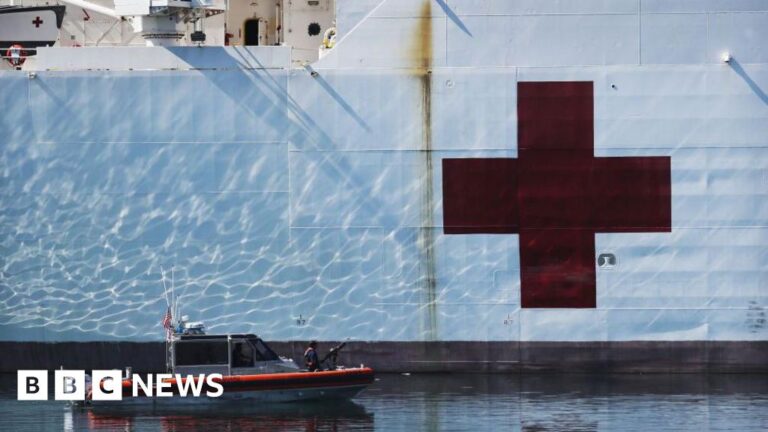
The shutdown of the Strait of Hormuz following the US‑Israel conflict with Iran has jolted the global market, with oil prices spiking and stock exchanges wobbling as traders await the waterway’s reopening. The strait carries roughly 20% of world oil and 90% of the cargo destined for Asia, so the ripple effects are felt most acutely across the continent.
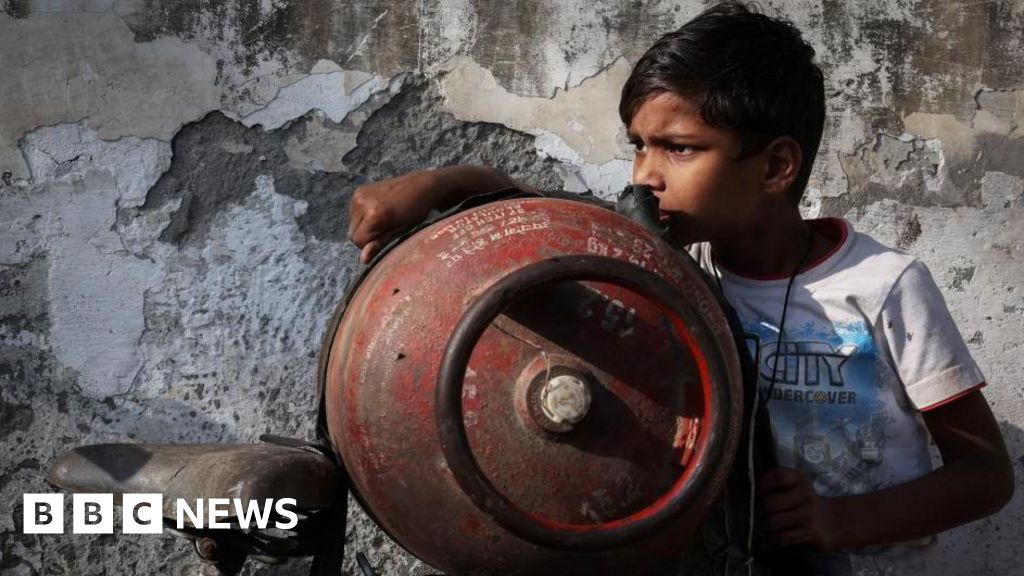
Asian governments have reacted with sweeping measures: employees are working from home, workweeks have been shortened, national holidays declared, and universities dismissed early to conserve fuel. Even China, holding a three‑month reserve, has capped price hikes, yet consumers face a 20% rise in fuel costs.
In the Philippines, the crisis prompted a national emergency declaration. Jeepney drivers, exemplified by Carlos Bragal Jr., see wages collapse from about $17 to as little as $4 for a 12‑hour shift, threatening livelihoods and the ability to send children to school. Fishermen and farmers are similarly squeezed; many in Bulacan have abandoned planting due to soaring fuel expenses.
Governments offer cash assistance, but critics say subsidies are insufficient, covering only a couple of days of fuel. Public messaging has turned symbolic: Thai PBS anchors famously shed their blazers on air to encourage energy saving, while Thai authorities urged the public to set air‑conditioning to 26‑27°C and work remotely.
In Sri Lanka, the paradox of abundant currency but scarce fuel underscores the crisis’s depth, as the country recovers from a 2022 debt collapse that had once left it unable to import essentials.
Across Asia, the war thousands of miles away continues to reshape everyday life, proving that energy security is a shared global reality.
Source: www.bbc.com
About the Author