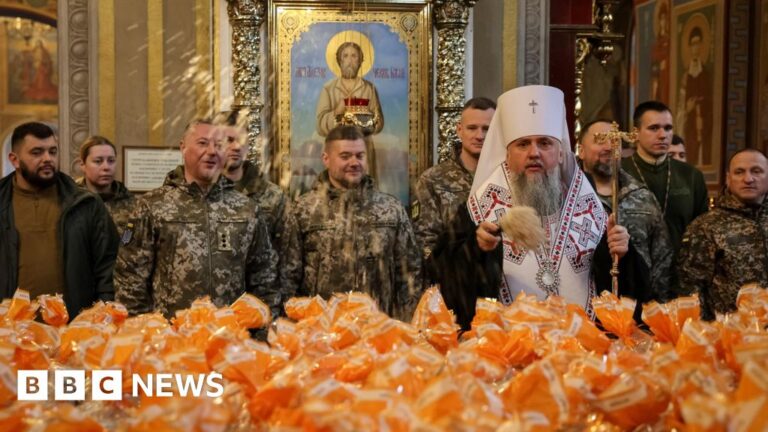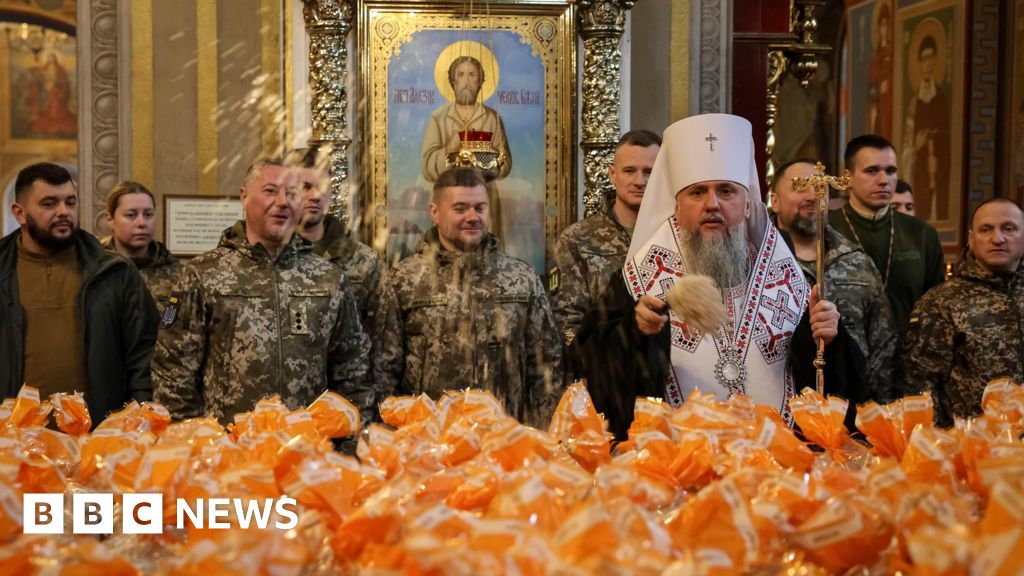
On Saturday, 11 April, Russian President Vladimir Putin announced a temporary ceasefire for the duration of the Orthodox Easter weekend, ordering his forces to halt fire in all directions. The move follows Ukrainian President Volodymyr Zelensky’s repeated calls for a broader truce, which had previously been dismissed by Moscow.
Putin’s directive, effective from 16:00 local time, expects Ukraine to mirror the pause. He warned his troops to be prepared for any “possible enemy provocations.” The announcement has been met with skepticism in Kyiv, where civilians and soldiers alike have endured constant air‑raid sirens, missile strikes and drone attacks. Recent incidents include a drone that struck a bus in Nikopol, killing several people, and a missile that landed near a home in Zhytomyr, killing a woman.
Zelensky responded on social media, asserting that Ukraine is “ready for symmetrical steps” and urging Russia to avoid resumed strikes after Easter. He has also appealed to the United States to convey a holiday‑weekend truce proposal to Moscow. While the truce could offer respite for troops on the eastern front, past pauses—such as the “energy truce” and the 80th‑anniversary ceasefire—were short‑lived and marred by violations.
Ukraine continues to launch drone strikes on Russian energy infrastructure, while Russian authorities report civilian structures have also been hit. The international community, with the United States acting as a mediator, has sought a lasting ceasefire to pave the way for negotiations. The Easter truce remains a tentative pause amid ongoing hostilities.
Source: www.bbc.com
About the Author