Hong Kong’s longtime businesses seek fresh ways to stay relevant
From late-night football and dim sum to rebuilding systems and using AI, established Hong Kong businesses are exploring different routes to reach customers and adapt to changing times.
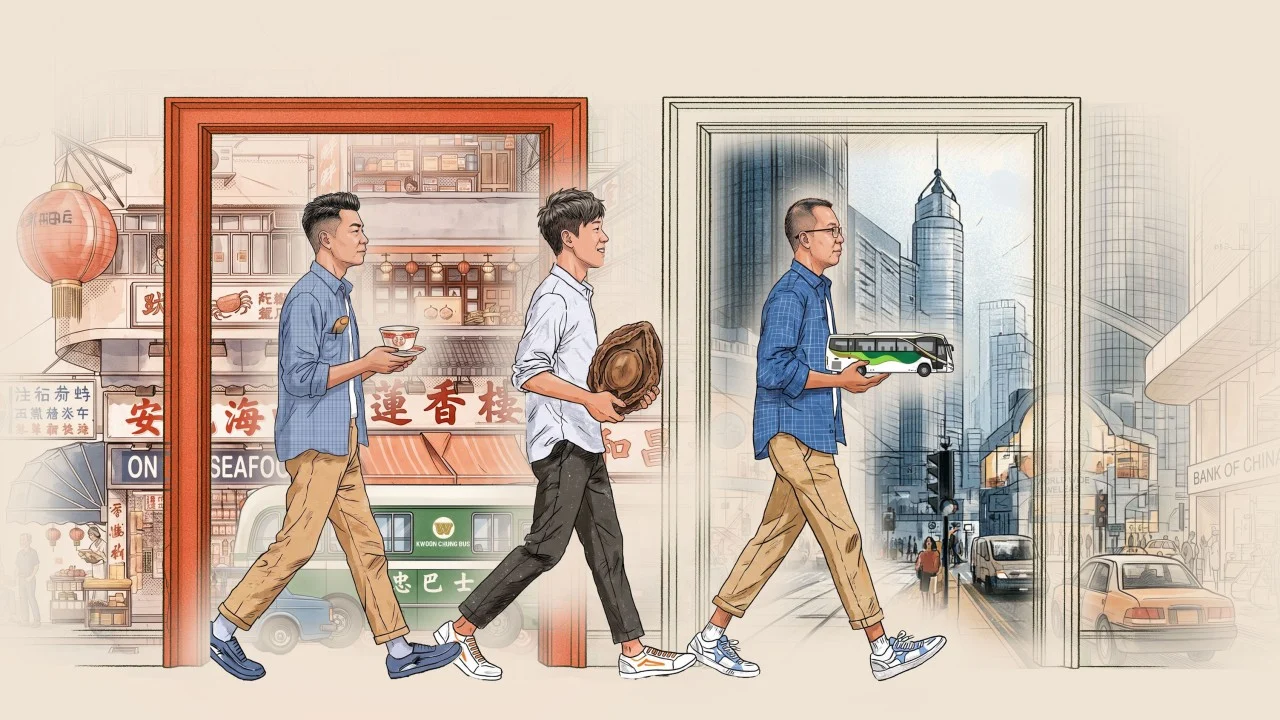
Established businesses in Hong Kong are adjusting to a changing market through a range of approaches, rather than relying on one standard formula. Their efforts may focus on offering customers a new kind of experience, improving essential but less visible operations, or bringing in artificial intelligence tools.
One example came during World Cup matches, when football fans in their twenties, thirties and forties gathered late at night at Lin Heung Lau, a traditional restaurant on Wellington Street. Instead of watching the games in a sports bar with pints, they followed the action while eating dim sum.
The gathering offered the restaurant a way to draw a different audience and connect its established dining experience with a major sporting event. It also showed how a long-running business can experiment with its setting and offer without abandoning what customers already associate with it.
A person involved in the decision said the event was not judged only by its immediate financial return. The aim also included strengthening the restaurant’s identity and creating another route for reaching potential customers. That approach treats an event as an investment in visibility and customer relationships, as well as a source of sales.
The example reflects a wider challenge for older businesses: keeping their appeal as customer habits and expectations evolve. Some may try distinctive experiences that give people a new reason to visit; others may prioritize the underlying systems that support daily work, even when those improvements are not visible to diners or shoppers.
Technology is another possible avenue. The adoption of AI can help businesses explore new ways to work and engage with customers, although it is only one element of adaptation and does not replace the need to understand a company’s audience and strengths.
The different possibilities underscore that change is not a single process. A business may combine a memorable public-facing event with operational upgrades and new technology, or choose a route that better suits its own circumstances. The key is to identify opportunities to remain useful and recognizable while reaching people in new ways.
For Lin Heung Lau, the World Cup evenings brought a contemporary audience into a familiar Wellington Street setting, pairing football with dim sum. The reasoning behind the event extended beyond counting money at the end of the night: it was also intended to build the brand and open an additional channel for finding customers.