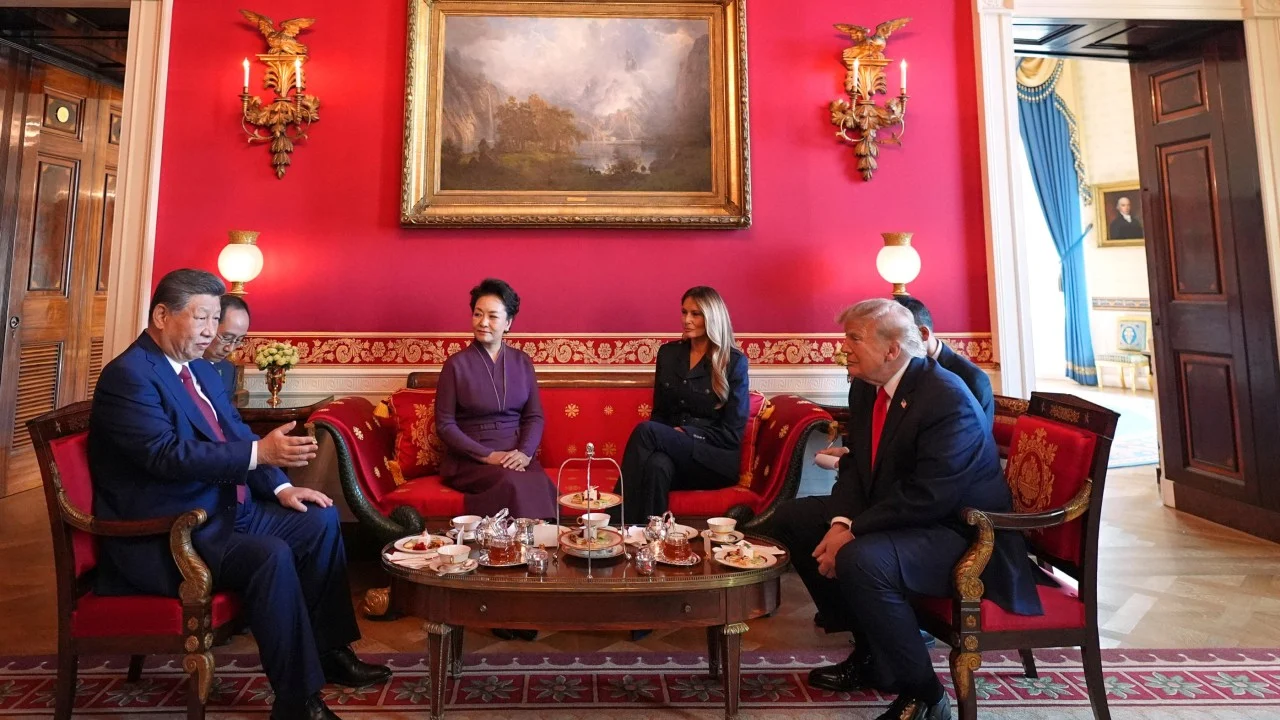
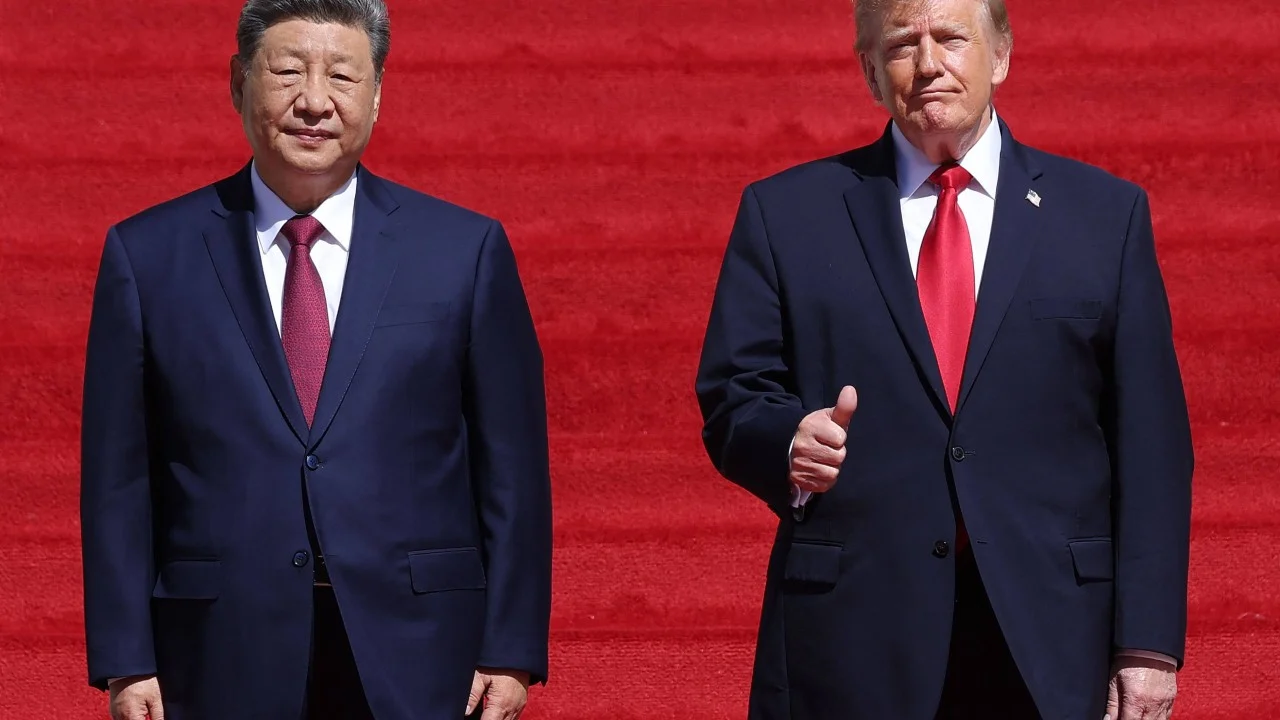
China’s rise challenges the old definition of a superpower
As China approaches peer status with the United States in several fields, its ambitions raise a broader question: whether global leadership must still be understood through the military dominance associated with the postwar superpower era.
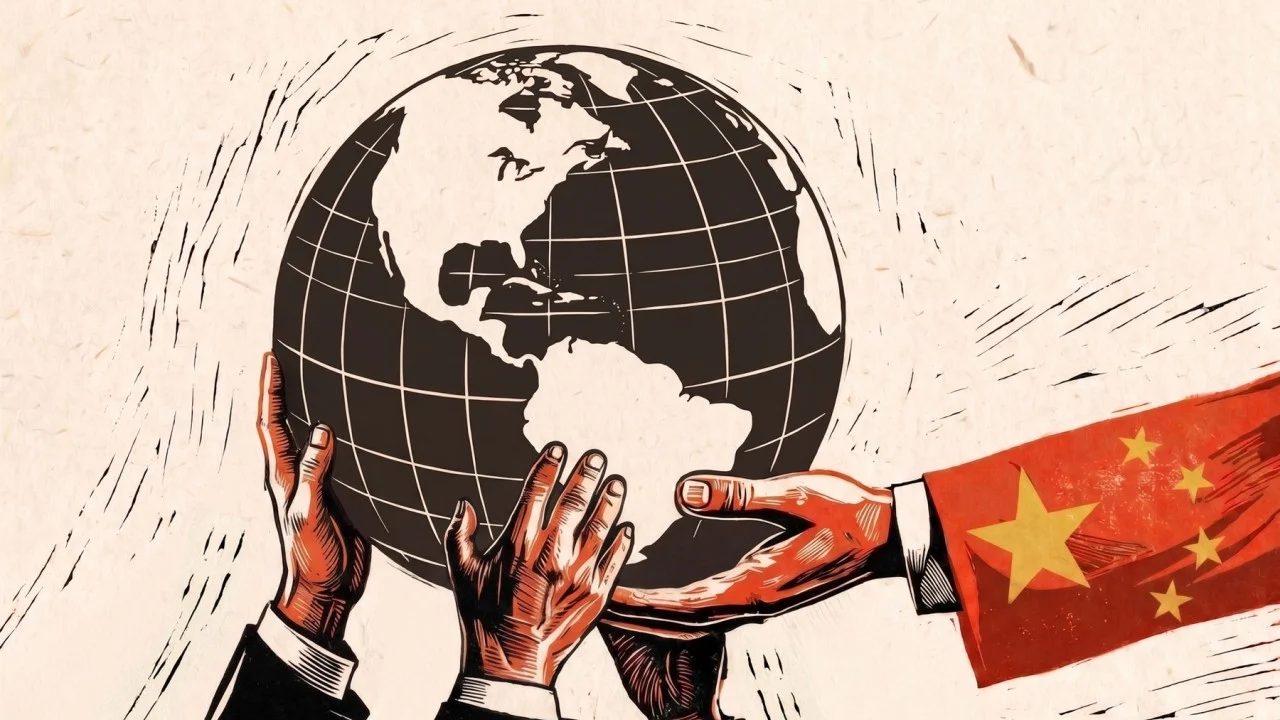
China’s growing standing alongside the United States has sharpened debate over whether Beijing should now be considered a superpower. But that label may carry assumptions formed in a very different period, and may not fully describe the kind of influence China says it wants to exercise.
The issue is not only how much power China possesses, but what that power is meant to achieve. The changing debate invites a reassessment of what counts as responsible leadership in the 21st century, as China promotes a vision of a more just international order.
Under that approach, Beijing seeks influence while resisting the idea that one state’s dominance should organize relations among countries. Its stated ambition contrasts with a traditional conception of great-power status in which exceptional military and geopolitical strength confers a leading role in shaping the global system.
The term “superpower” took hold during the Second World War. In 1944, American political scientist William T.R. Fox used it to identify a distinct class of states whose capabilities set them apart and gave them an unusual responsibility for maintaining peace after the conflict.
Fox developed the concept in a book examining the United States, Britain and the Soviet Union, and their role in safeguarding peace. He argued that their military and geopolitical reach made them uniquely influential in determining the shape of the postwar order.
That history matters because today’s question about China is often framed using the same inherited standard. China has become a peer competitor to the United States in many areas, making comparisons between the two increasingly common. Yet matching or approaching US capabilities does not necessarily settle what kind of global power China represents.
The debate therefore turns on competing ideas about the purpose of power. One interpretation treats superpower status as a position of exceptional capacity to shape international arrangements. Another asks whether leadership can instead be exercised by seeking greater fairness among states, without making domination the central principle of world politics.
China’s effort to advance that alternative conception remains part of the larger discussion over its rise. The longstanding label may capture the scale of its competition with Washington, but the argument over its meaning reflects a deeper question: whether the global order ahead will reproduce familiar hierarchies or be guided by a different account of responsible influence.