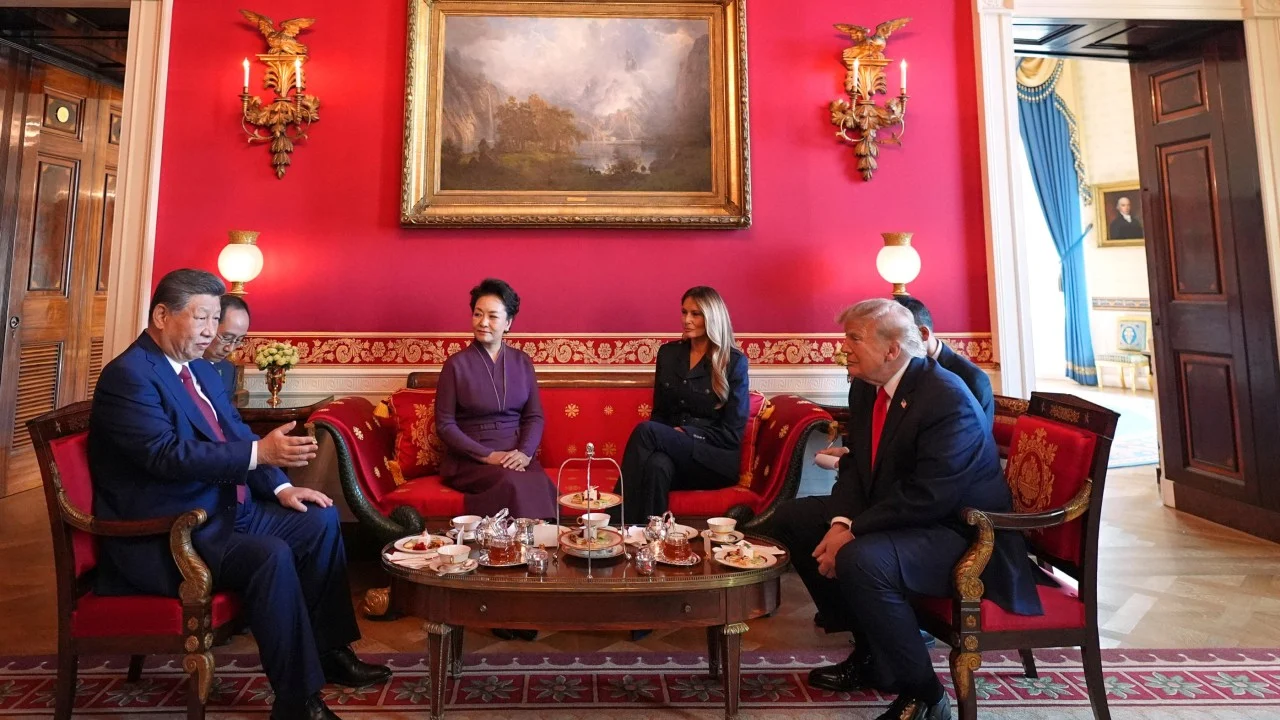
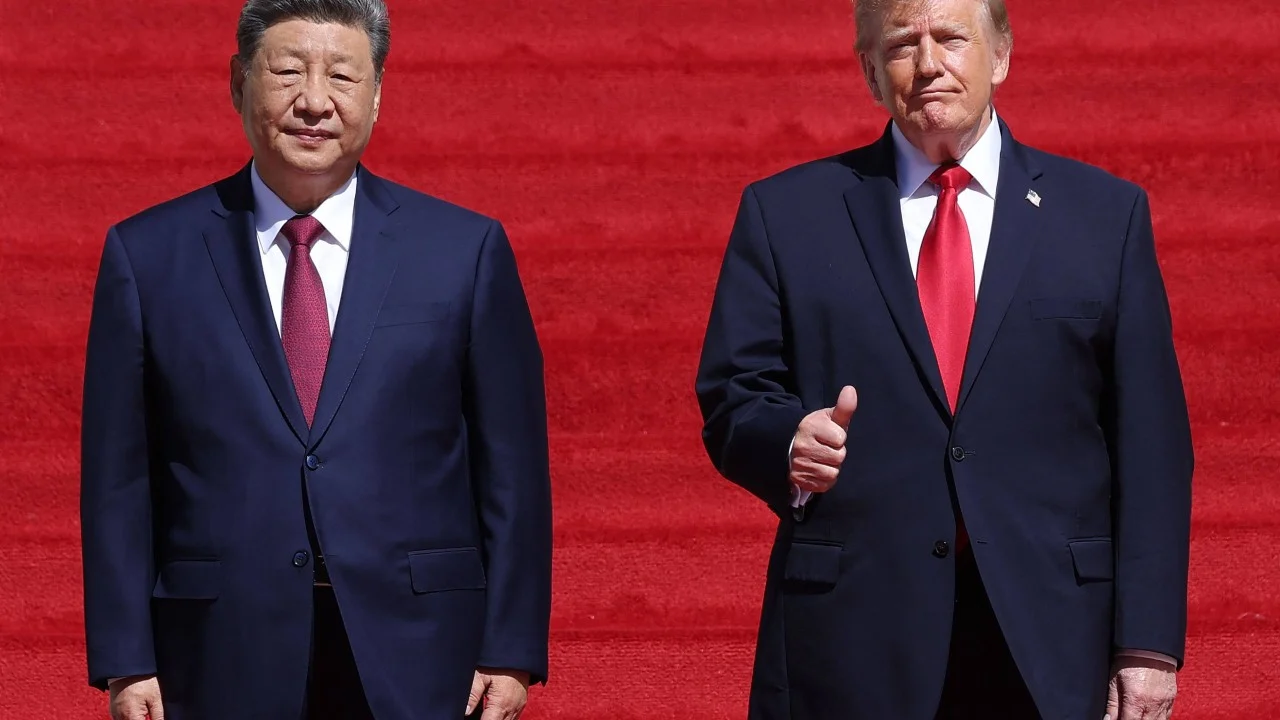
Chip export controls remain in the background of Xi-Trump summit
Nvidia chief Jensen Huang and AMD head Lisa Su joined the leaders’ state dinner as US firms seek renewed access to China. Yet public accounts of the Xi-Trump talks offered no sign that semiconductor restrictions featured prominently.
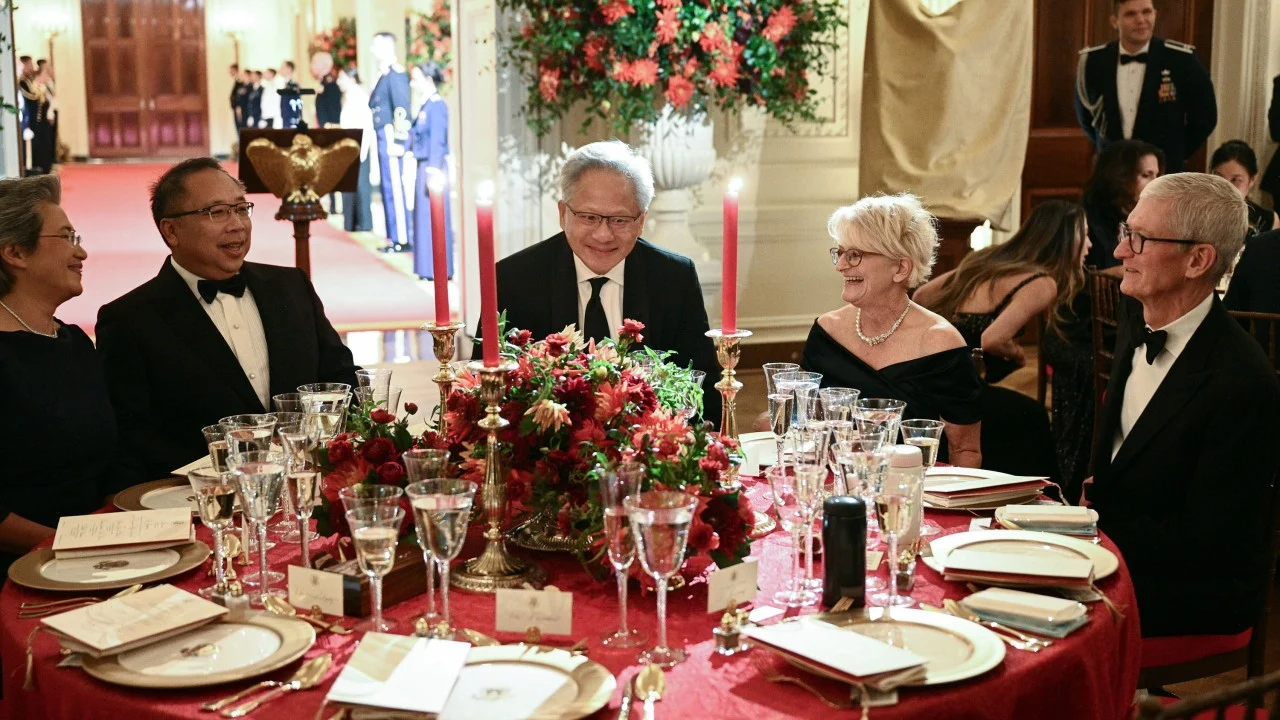
Nvidia chief executive Jensen Huang and AMD head Lisa Su were among the prominent business figures seated at the head table during Thursday evening’s White House state dinner, alongside US President Donald Trump, Chinese President Xi Jinping and their wives. Their presence highlighted the importance of semiconductor trade to the relationship, but it did not establish whether the executives made headway on their companies’ efforts to regain access to China’s market.
That question remains open because the leaders’ discussions appeared to give little visible attention to US restrictions on semiconductor exports to China. The measures remain largely in force, but early indications from the summit point to export controls having been a relatively quiet subject rather than a central obstacle in the talks.
Neither the public summaries issued by Beijing nor those released by Washington directly mentioned the restrictions when describing the outcomes of Xi’s historic state visit to the US capital. The absence of an explicit reference does not show whether the issue was raised privately, but it leaves no public indication of a breakthrough or a major dispute over chip policy.
For Nvidia and AMD, access to Chinese customers is a significant commercial concern. Huang and Su’s participation in the dinner placed the leaders of two major US chipmakers close to the presidents at a high-profile diplomatic event. Their companies’ goal, as described in the account of the visit, was to restore access to the Chinese market; whether they were able to advance that aim remains unclear.
Any effort to reopen sales faces resistance on both sides. The article describes opposition to restoring access as entrenched in the United States and China, suggesting that the issue is not simply a matter for company executives to settle with government leaders. US controls continue to limit exports, while opposition within China also complicates the prospects for a return to normal market access.
China’s increasing ability to develop its own semiconductor capabilities may help explain why the controls did not appear to dominate the summit. Greater self-reliance could reduce the immediate urgency of securing US chips, although that interpretation remains tentative. The same trend could also make future discussions about trade and technology more difficult, rather than removing the underlying disagreements.
The calm surrounding the issue may not last. Looming US measures could put China’s growing semiconductor independence to the test and renew pressure on the relationship. For now, the public record of the Xi-Trump meeting offers no clear indication that existing restrictions were eased, or that the two governments resolved their opposing positions on access to the Chinese market.