Assessing Chicago’s Safety: Weekend Violence Erupts Amid Mixed Political Narratives
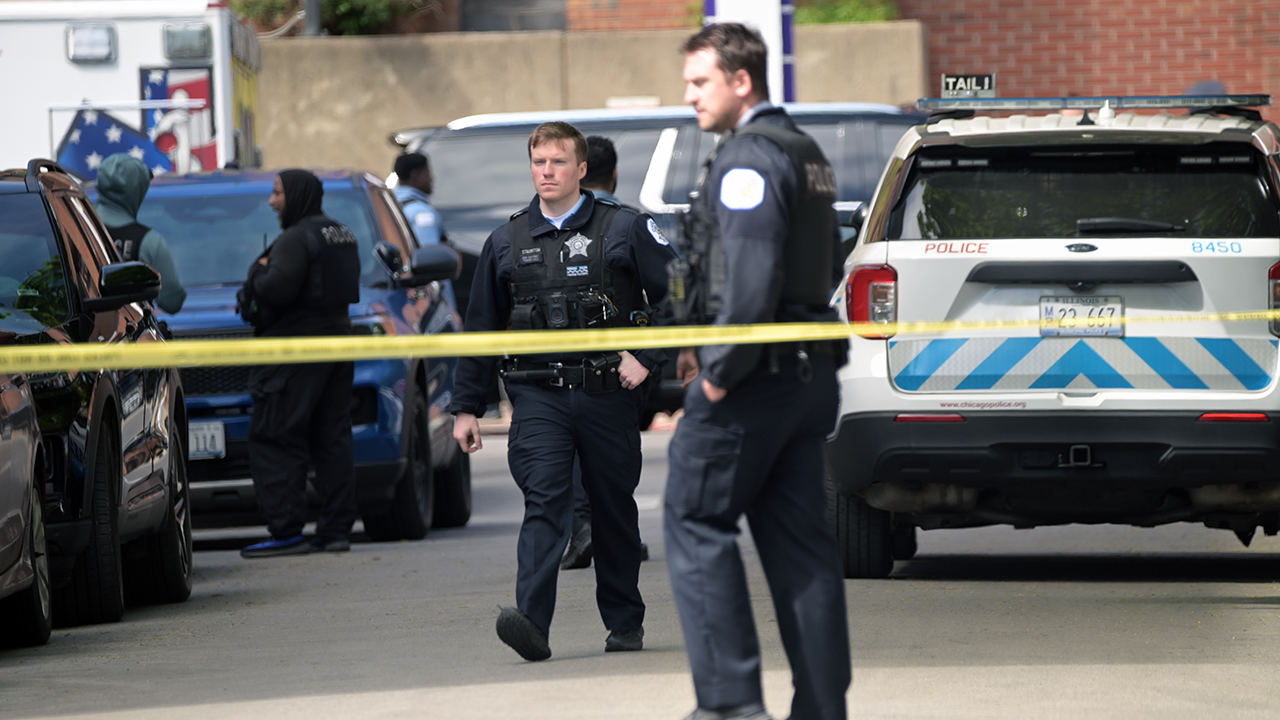
A recent Memorial Day weekend in Chicago was marked by significant public safety incidents, with reports detailing multiple instances of gunfire. Authorities confirmed that at least four fatalities and dozens of injuries resulted from shootings that occurred across the three-day period. These violent events underscore the ongoing volatility within the city’s crime landscape, prompting varied reactions from political figures.
Official police data compiled across the weekend documented a high volume of shooting incidents. These events ranged from group confrontations to targeted street violence, with police departments launching thorough investigations into the circumstances surrounding the gunfire. The sheer number of people wounded highlights the immediate and physical danger faced by residents and bystanders alike.
What This Means
The contrasting narratives emerging from local political leadership following such an event create a significant point of tension. On one side, an administration official issued public statements expressing optimism regarding crime reduction efforts and promising continued investment in community safety initiatives. On the other hand, the reality evidenced by the body count and the scope of the assaults paints a picture of persistent and serious danger. This gap between stated progress and on-the-ground violence forces a difficult public conversation about the effectiveness and immediacy of current public safety strategies.
Background & Context
Violence remains a focal point in Chicago’s civic discourse. While some elected officials leverage awareness days to highlight perceived improvements in crime metrics and announce forthcoming policy investments, the recurrence of deadly shootings suggests deep-rooted challenges to public order. The ongoing scrutiny of urban safety dictates that any discussion of crime reduction must account for acute, visible flare-ups of violence, which serve as immediate indicators of underlying tensions within neighborhoods.
The disparity between the messaging of governance and the documented outcome of violence demands a re-examination of resource allocation. While calls for strengthening community responses and youth investment are noted, the gravity of the reported weekend violence suggests that proactive measures must be paired with immediate, high-visibility responses to maintain public confidence and safety.
About the Author