Analyzing US Maritime Posture in the Strait of Hormuz Following Recent Incidents
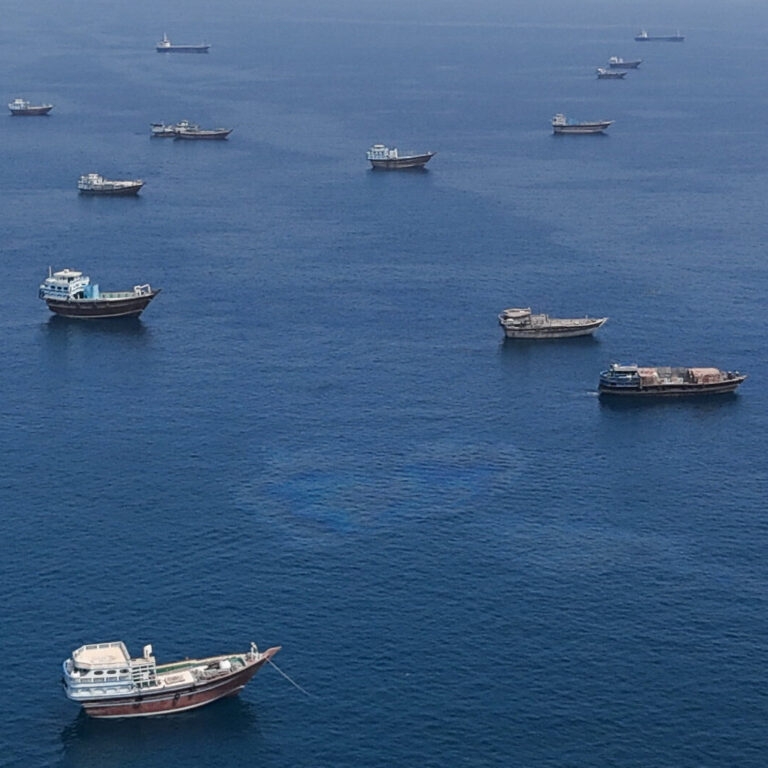
Recent developments in the Persian Gulf, particularly involving the Strait of Hormuz, have drawn significant attention to the delicate balance of regional power. Amid reports of disruptions, including the alleged seizure of commercial vessels by Iranian elements, high-level statements regarding American control have been issued. These declarations assert a degree of operational authority over one of the world’s most critical chokepoints for global energy transit.
However, the practical reality on the ground presents a more complex picture. Reports circulating within defense circles suggest that the challenging nature of maintaining complete freedom of navigation is compounded by physical hazards, such as potential minefields. Furthermore, statements characterizing the internal dynamics of regional powers suggest internal discord, which complicates any singular narrative of absolute command or unilateral action.
The Implications for Global Energy Security
The ongoing situation highlights the strategic vulnerability inherent in the Strait of Hormuz. This waterway is vital because a substantial volume of global oil and liquefied natural gas transits through it daily. Therefore, any perceived threat to unimpeded passage—whether through military action, operational seizures, or environmental hazards—immediately triggers concerns among international markets and consuming nations. The sheer volume of trade passing through this narrow passage means that even temporary restrictions carry profound global economic weight.
The operational challenges mentioned, such as the extended timelines required for mine clearance, underscore that maintaining unchallenged passage is not merely a political declaration but a complex logistical undertaking. This indicates that maritime security in the area is dependent on sustained, multinational efforts rather than singular claims of unilateral control.
Contextualizing Regional Power Dynamics
The political atmosphere in the region is characterized by heightened tensions and shifting alliances among major regional players. Official statements often reflect differing interpretations of the stability and capacity of neighboring states. Reports concerning internal governmental or leadership fragmentation within a nation can serve to underscore the persistent difficulty in forecasting the actions of the ruling entities in that area.
Understanding this environment requires looking beyond immediate skirmishes. The intersection of geopolitical competition, economic imperatives (like maintaining energy flow), and the physical risks at sea creates a volatile operational zone. Any major incident, such as the docking of multiple commercial ships in unusual circumstances, forces a re-evaluation of established security protocols and diplomatic guarantees that govern passage through such vital straits.
About the Author