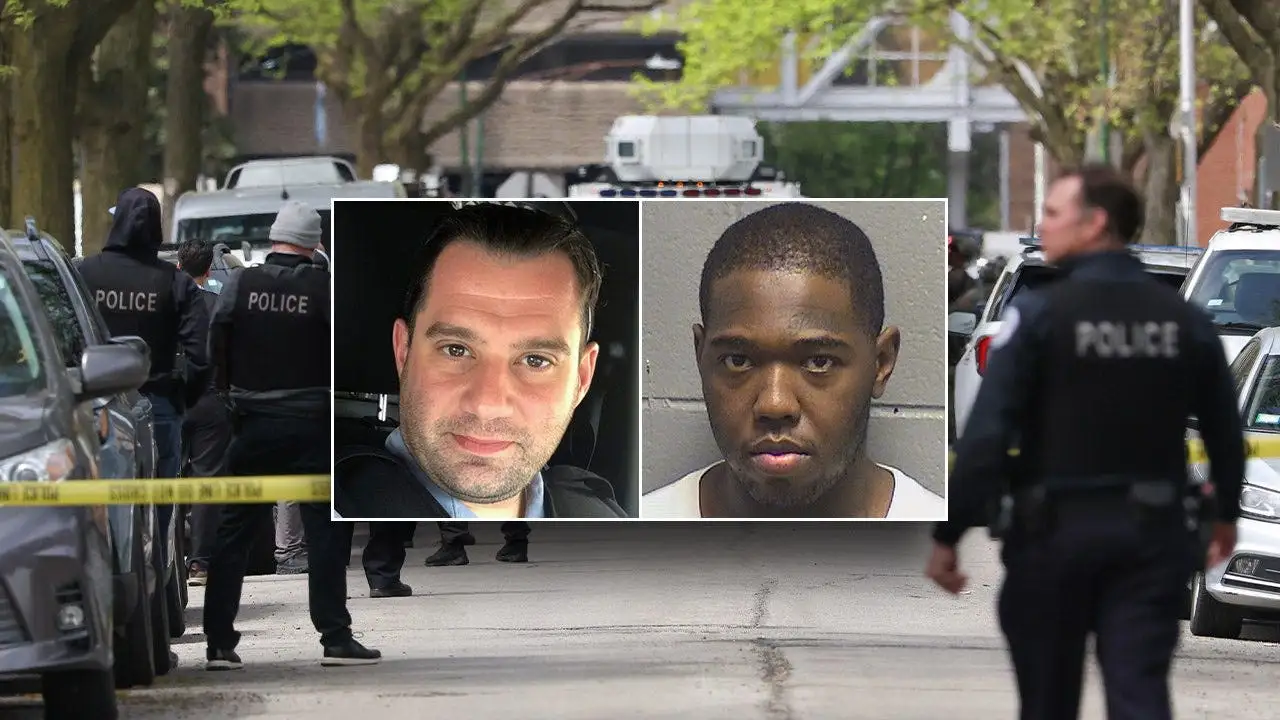
The death of Chicago Police Officer John Bartholomew has sparked intense debate regarding the effectiveness and implications of the current pretrial detention policies within the city. Authorities have charged a local man, Alphonso Talley, with the fatal shooting of Officer Bartholomew, as well as injuring a second officer during a confrontation that occurred at a hospital setting.
According to reports, the sequence of events suggests a calculated confrontation. After Talley was apprehended earlier in connection with an alleged armed robbery at a retail store, he later requested medical attention at a facility. Prosecutors painted a picture suggesting that the suspect deliberately exploited the process of receiving medical care, which inherently involves certain levels of reduced restraint, to carry out the shooting.
What This Means: A Call for Systemic Review
This incident has led several civic leaders and law enforcement advocates to publicly question the foundational elements of the justice system, particularly the practices surrounding pretrial freedom. Critics argue that current laws, especially those related to cash bail and release conditions, may allow individuals with extensive criminal histories to circulate in the community while awaiting trial. This has culminated in arguments suggesting that the system, in practice, poses a measurable and unacceptable threat to public safety and the lives of officers.
The discourse has shifted significantly, drawing scrutiny to whether procedural safeguards designed to ensure due process are, in certain instances, inadvertently creating vulnerabilities that law enforcement personnel cannot safely navigate. The emphasis from advocates is not simply on individual criminal behavior, but rather on the systemic failures that could facilitate such dangerous outcomes.
Context and Background
The accused, Talley, reportedly possessed a substantial history of prior offenses. The circumstances detailed by the prosecution—that the suspect feigned distress to gain access to a hospital setting—have become central to the argument that the existing legal framework may be exploited. These allegations point toward a perceived systemic gap where the temporary release of dangerous individuals, even under judicial supervision, increases the risk profile within the community and within law enforcement’s operational parameters.
While some city leadership remains committed to defending the current mandates regarding incarceration philosophies, the tragic loss of Officer Bartholomew has fueled a renewed, public-facing urgency among certain quarters of the community to re-examine the balance between an individual’s right to liberty before conviction and the imperative need for comprehensive public protection.
About the Author