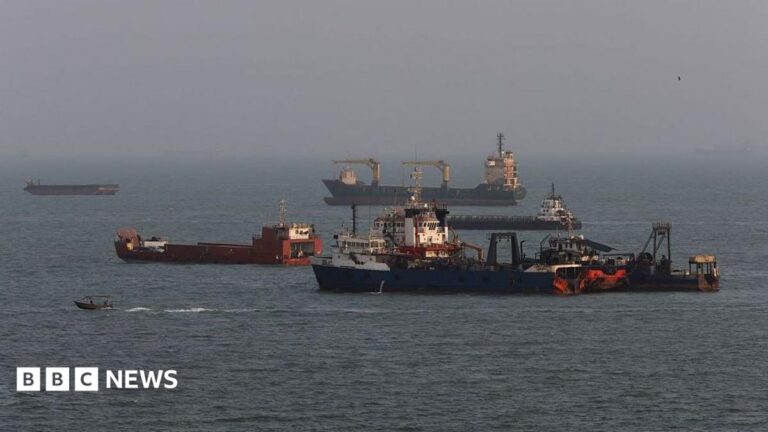
This article examines the contentious legal fallout surrounding the 2016 arbitration ruling concerning the South China Sea. The ruling, issued by a specialized tribunal, sought to address complex issues of maritime rights and territorial claims. However, this decision has generated strong international opposition, particularly from the People’s Republic of China, which has consistently dismissed the award as lacking legal foundation and undermining established international legal frameworks.
China’s core objection centers on the jurisdictional overreach of the arbitration. From its perspective, the dispute settlement mechanism was improperly initiated and exceeded its defined scope. Beijing argues that fundamental questions of national sovereignty and maritime boundaries are inherently distinct from the technical provisions of the UN Convention on the Law of the Sea (UNCLOS), suggesting these core matters require diplomatic negotiation rather than binding judicial adjudication.
Furthermore, the critique highlights that the initiation of the proceedings appeared to circumvent existing bilateral agreements intended to manage disputes through direct dialogue. The emphasis placed by Beijing is that sovereign nations possess the autonomous right to determine the appropriate legal pathways for resolving territorial disagreements, a right it claims the tribunal disregarded.
About the Author