Tensions Rise in Lebanon as Israeli Strikes Resurface Near Beirut
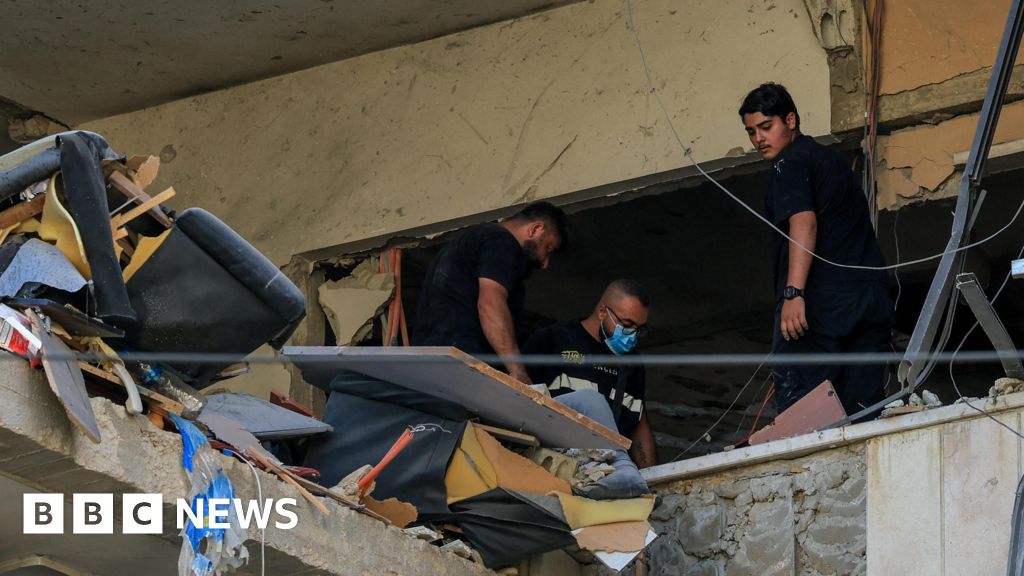
Recent military action has significantly heightened the volatile situation across Lebanon’s border with Israel. Following a period of relative calm established through international mediation, Israeli forces conducted air strikes targeting residential areas in the suburbs of Beirut. These strikes reportedly hit apartment buildings in a heavily populated sector, resulting in multiple casualties and numerous injuries, according to local health officials.
The Israeli military characterized the strikes as retaliation against infrastructure within the Dahieh district, asserting that the action was a direct response to fire originating from Hezbollah in Israeli territory. This move comes despite previous constraints on Israeli military operations in the area, which had been curtailed due to international diplomatic efforts aimed at solidifying a broader cessation of hostilities.
What This Means: A Cycle of Retaliation
The recurrence of attacks underscores a dangerous pattern of escalation driven by immediate confrontations. When armed groups fire projectiles across the border, and in response, Israel strikes targets within Lebanese population centers, the established de-escalation mechanisms appear insufficient. The exchange suggests that military tensions are overriding diplomatic agreements, placing the region back into a volatile cycle of retaliatory force.
The immediate fallout indicates that the diplomatic focus on maintaining stability is continually tested by ongoing military skirmishes. The scope of the fighting, which involves residential buildings and densely populated zones, raises serious concerns regarding civilian safety and the sustainability of any negotiated peace.
Background Context: The Backdrop of Confrontation
The current flare-up is rooted in recent escalations that have drawn in regional actors. The conflict dynamic remains complex, involving multiple armed factions with differing objectives. Notably, the escalation followed instances where regional powers signaled intent to respond to Israeli actions in southern Lebanon and Beirut’s outer districts. Statements from key political and military figures emphasize that the strikes are responses to perceived violations of previously agreed-upon ceasefires.
The history of the recent period includes significant threats of large-scale offensives against areas like Dahieh, prompting considerable international diplomatic intervention. The timing of the recent strikes, therefore, cannot be divorced from a background of accumulated friction and unresolved geopolitical tensions between the involved parties.
About the Author