Legal Showdown Continues: Judicial Limits in Employee Disputes
A federal court recently issued a ruling that clarifies the boundaries of its own authority regarding employment disputes within federal lands. The decision specifically addressed the attempt by a fired park ranger to use the court system to mandate reinstatement following their termination from Yosemite National Park. The judge determined that the court lacked the legal power to rule on the underlying reasons for the dismissal, even when those reasons are alleged to involve protected viewpoints.
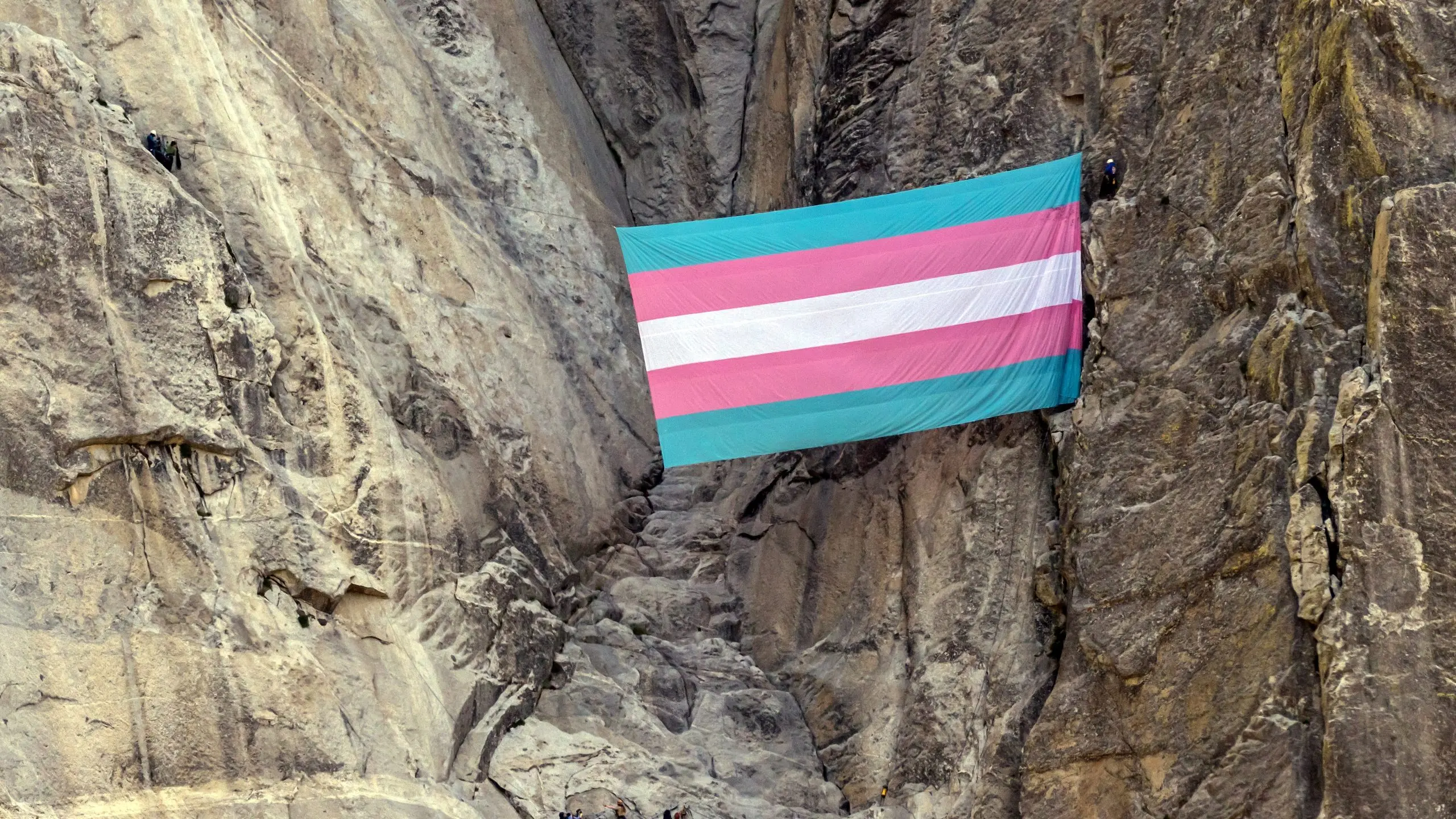
The individual in question challenged the actions of the National Park Service, arguing that the termination was a punitive measure motivated by the display of a specific flag. This legal action centered on the premise that the government was enforcing its regulations selectively, penalizing the visible demonstration of identity and pride. The former employee contended that the firing was retaliatory, designed to suppress a particular viewpoint.
The Scope of Judicial Authority
The core of the ruling hinges on what a federal trial court can and cannot adjudicate. While the initial allegations suggested a First Amendment violation—that the flag display infringed upon free expression rights—the court found itself constrained by established federal law and legal precedent. According to the judicial opinion, the government presented a strong argument that the employment action was based on criteria unrelated to protected speech. Consequently, the judge was unable to rule on whether the firing was unconstitutional or illegal in principle. This outcome effectively dismissed the lawsuit’s core claims regarding the illegality of the termination itself.
Implications for Public Service Employment
This ruling sends a notable signal regarding the legal protections afforded to federal employees regarding off-duty conduct that involves political or social expression. By ruling on jurisdiction rather than merit, the court limited its intervention power, indicating that even powerful claims of retaliation or discriminatory enforcement might fall outside the established scope of judicial remedy in such administrative matters. The outcome reinforces that employment determinations remain primarily within the purview of the federal agency itself, subject to existing regulations.
Background Context: Flag Display at Yosemite
The dispute originated last summer when a group of individuals, including the ranger, displayed a specific trans pride flag across an iconic rock formation within Yosemite. The park service acted by dismissing the employee, citing a failure to maintain acceptable professional conduct. The former ranger publicly asserted that the activity was purely personal and had no connection to their duties as a wildlife biologist. The legal proceedings thus became a high-profile clash between expressive rights in public spaces and the administrative authority of a national park service.
What This Means:
For advocates involved in cultural expression on federal lands, this decision underscores the significant difficulty in using judicial action to mandate reconsideration of terminations based on perceived viewpoints. It highlights that while rights to expression exist, the legal mechanism for having those rights used as the sole basis for employment challenge is significantly circumscribed by established federal jurisprudence. This suggests that challenging agency decisions may require alternative administrative appeals rather than relying solely on preliminary judicial injunctions.
About the Author