Global Trade at a Crossroads: Understanding the Strait of Hormuz Dynamics
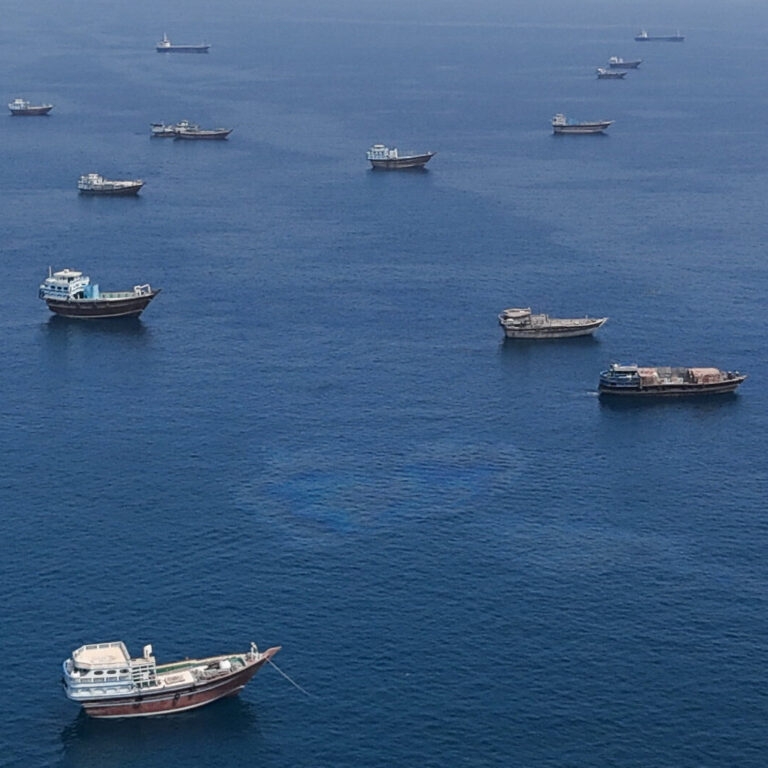
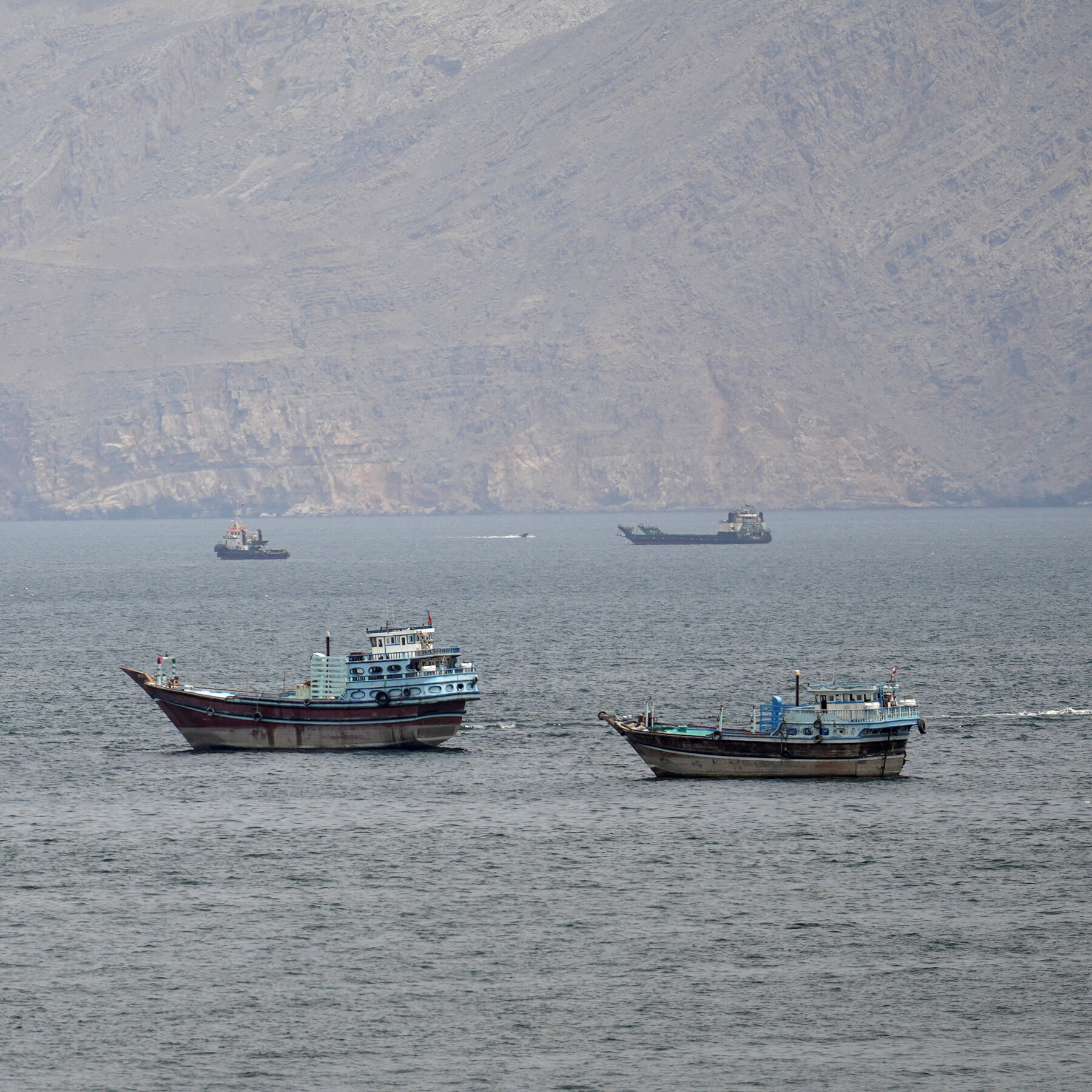
The Strait of Hormuz represents one of the most critical maritime passages in the world’s energy and trade networks. Because so much of the world’s seaborne oil and gas must transit this narrow waterway, any instability or perceived restriction of movement within the strait immediately raises alarms across global commodity markets and supply chains. Tensions involving major regional powers have repeatedly focused on the potential for disruption here, making the strait a focal point for international maritime security concerns.
Recent geopolitical friction has placed immense pressure on the passage. When major global players express intent to control or impede traffic through such a vital chokepoint, the consequences are far-reaching, affecting economies thousands of miles away. The primary concern is less about the direct conflict and more about the cascading effect of reduced or unpredictable shipping flows.
The Profound Significance of This Passage
The Strait of Hormuz is vital because it acts as a bottleneck for liquid energy sources. A substantial portion of the petroleum that fuels global industries, from transportation to manufacturing, must pass through this area to reach international markets. This concentration of global energy transit means that stability in the strait is synonymous with stability for the world’s economy.
When the threat of blockades or operational limitations emerges, the immediate impact is visible in heightened insurance premiums, reassessment of shipping routes, and speculative movements in energy futures. Because alternative routes are either non-existent or significantly longer and more costly, the passage’s vulnerability is a constant economic reality for global commerce.
Implications for Global Stability and Trade
The underlying tension involves a struggle for regional influence and navigational control. When differing powers signal an intent to manage or restrict movement, it enters the realm of strategic maritime confrontation. Such actions introduce profound levels of uncertainty, which is often more disruptive to commerce than any blockade itself. The global shipping industry operates on predictable timelines and costs; any credible threat to that predictability causes massive logistical disruption.
For international actors, the situation underscores the delicate balance between sovereign maritime rights and the imperative of maintaining open global trade channels. The ongoing standoff forces global navies, insurance underwriters, and energy analysts to monitor the waterway with extreme vigilance, as the flow of goods and energy dictates the stability of modern life.
Contextual Backdrop to Maritime Flashpoints
Historically, chokepoints have always been points of intense geopolitical leverage. The strait exemplifies this pattern. The presence of numerous nations with vested interests—ranging from supplying the commodity to insuring the vessel—means that any disagreement escalates quickly from diplomatic dispute to a potential threat against global economic arteries. Consequently, global maritime security remains paramount, necessitating continuous international diplomatic engagement to ensure that vital passage remains open to commercial traffic despite underlying political discord.
About the Author