Maritime Claims Under Scrutiny: Guyana Clarifies Relationship to Seized Oil Tanker
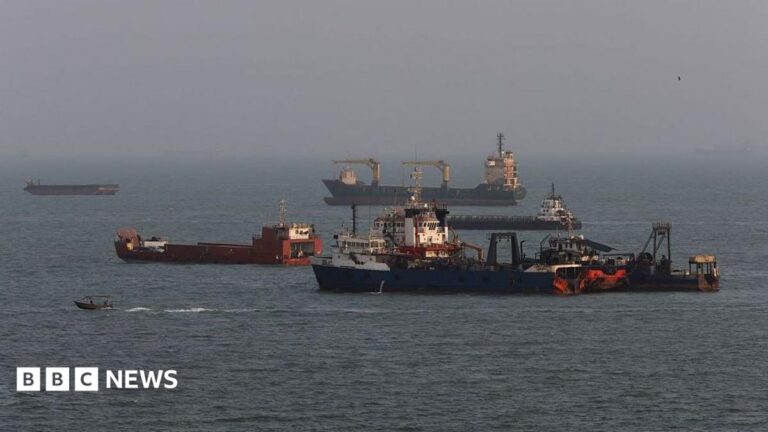
A significant clarification has emerged regarding a major oil tanker recently taken into custody by U.S. authorities. Guyana’s Maritime Administration Department (MARAD) has issued a definitive statement intended to sever any perceived official link between the nation and the detained vessel. The administration emphasized that the tanker, identified by its name, was not, at any point, properly or legally registered under the Guyanese national flag.
This proactive communication aims to preemptively address potential confusion or misinterpretation regarding the vessel’s status. By issuing this clarification, MARAD is effectively drawing a firm line in the sand, ensuring that the public and international bodies understand that the seizure does not implicate the government or its official maritime registry in any way concerning the vessel’s ownership or operational credentials.
The Implications for Maritime Integrity
The core significance of MARAD’s announcement lies in maintaining the integrity and reputation of Guyana’s maritime sector. In international trade and energy markets, ownership and registration are paramount. By publicly disavowing any official connection, the department safeguards the nation’s standing, assuring stakeholders that its shipping industry adheres strictly to verifiable and legitimate maritime protocols. This move signals a commitment to international maritime law and corporate transparency.
Furthermore, such declarations are crucial for mitigating unforeseen geopolitical or commercial turbulence. When vessels are seized, the focus inevitably turns to the apparent point of registry. MARAD’s detailed denial serves as a direct assurance that the incident is an isolated event concerning a mislabeled or improperly flagged commercial entity, rather than reflecting systemic issues within Guyanese maritime governance.
Context in International Shipping Disputes
In the global shipping industry, disputes over vessel ownership and flagging are unfortunately not uncommon. Authorities often need to determine the ultimate legal jurisdiction to manage the subsequent processes, whether those involve salvage, investigation, or repatriation. Official statements from national maritime bodies become vital reference points during such complex, high-stakes incidents. This directive from MARAD provides necessary clarity in a situation that could otherwise generate significant speculation among energy analysts and international trade partners.
About the Author