Space Crew Retreats to ‘Lifeboat’ Amid Major ISS Air Leak Crisis
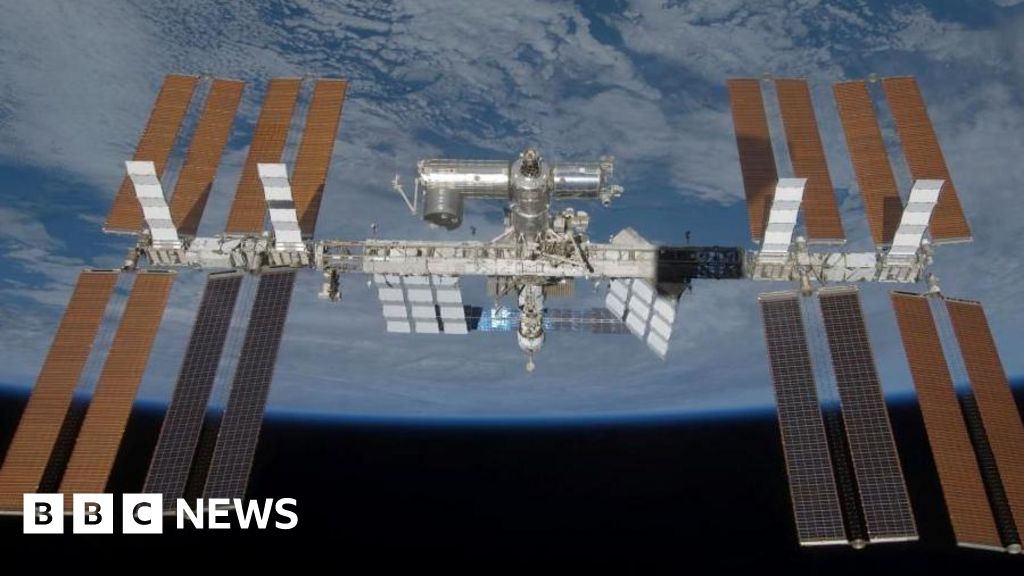
Routine operations on the International Space Station (ISS) were abruptly halted last week when a significant and escalating air leak threatened the integrity of the station’s structure. In response to the worsening pressure drop, several astronauts were immediately relocated into a docked spacecraft, effectively using it as an emergency shelter. This sudden shift in operational status required crew members to prepare for potential rapid evacuation, drastically altering the work schedule for the station’s occupants.
The crisis centered around a leak originating in the transfer tunnel area adjoining the Russian segment of the orbiting outpost. While personnel from the station’s Russian modules were actively engaged in repair efforts, the escalating nature of the air loss prompted mission control to issue shelter-in-place orders for many crew members. The safety concerns were severe enough that some astronauts were even instructed to don spacesuits, indicating preparations for an emergency undocking maneuver.
What This Means: A Major Operational Setback
The incident underscores the inherent and continuous risks associated with maintaining such a complex, multi-national outpost in orbit. The need for multiple contingency plans, including sheltering entire crews within attached vehicles, highlights how vulnerable the ISS is to unforeseen structural failures. Furthermore, the required pivot from repair to stabilization indicates that initial, smaller repairs were insufficient to mitigate the developing issue, forcing a temporary halt to the primary maintenance objective.
Background and Context: A History of Challenges
This was not the first time the ISS has contended with pressure fluctuations or structural vulnerabilities in this area. The specific section prone to these issues has reportedly been a point of concern for an extended period. Recent monitoring, following the arrival of specialized cargo, prompted a shift in repair strategy—moving away from temporary fixes toward a more comprehensive overhaul. However, the planned methodology for this more intensive repair effort was ultimately deemed too risky, leading to the final directive for the entire complement of crew members to take refuge inside the docked module until the situation could be assessed and controlled.
About the Author