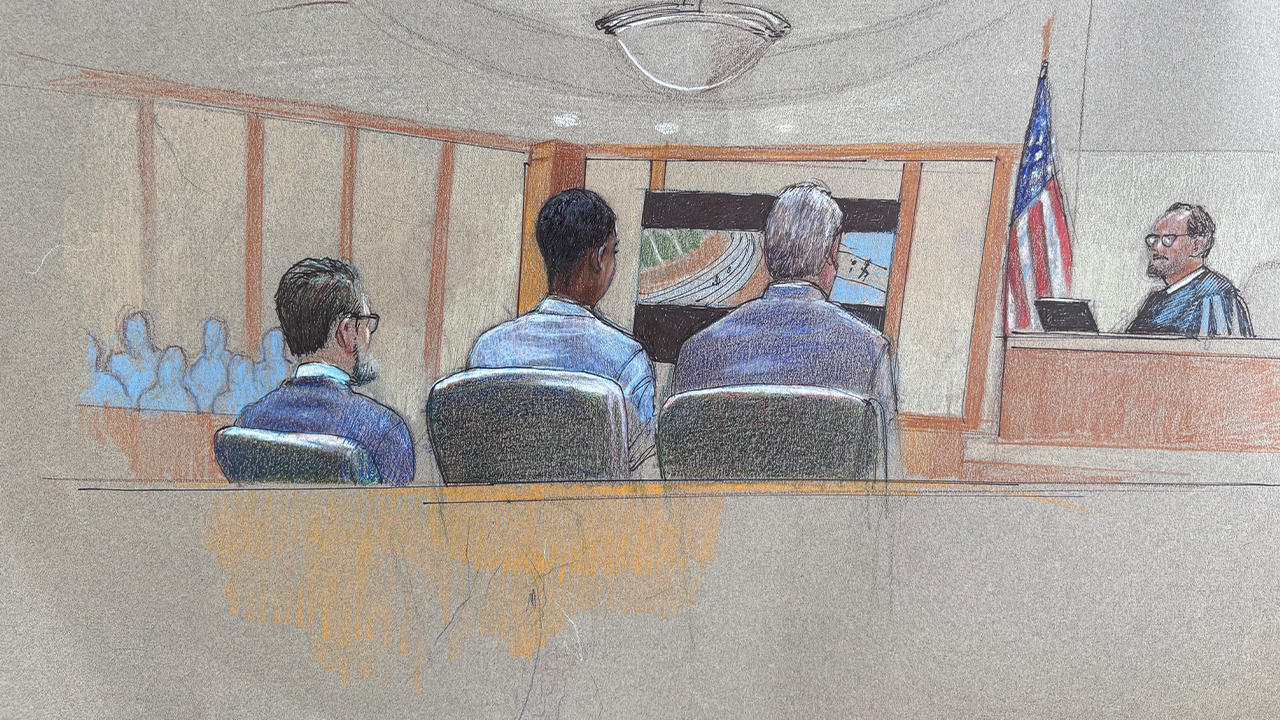
Legal Battle Heats Up: Examining the Self-Defense Claims in High-Profile Stabbing Trial
The opening days of the trial concerning the fatal stabbing at a local track meet have exposed a significant conflict: whether the actions taken were criminal misconduct or a justifiable act in self-defense. Jurors are currently tasked with evaluating a complex sequence of events, including firsthand accounts from medical professionals, athletic coaches, and emergency responders who were present when the incident occurred. These initial proceedings have drawn intense media scrutiny, focusing heavily on the moments immediately following the attack on the young victim.
The core of the legal dispute centers on the credibility and interpretation of a split-second confrontation. The defendant has consistently asserted that his actions were taken in defense. Legal experts suggest that the narrative constructed by the defense team must navigate the challenging path of proving that self-defense claim beyond reasonable doubt. This requires not just acknowledging the threat, but meticulously demonstrating the circumstances that legally justify the level of force used.
What This Means: The Weight of Perception in Court
Legal analysis suggests that the initial presentations within a trial carry immense weight, potentially shaping jury conclusions before all evidence has been heard. The narrative established by the opening arguments and subsequent testimonies can have a disproportionate impact on a jury’s mindset. Therefore, the early stages are critical, as the framework of belief built in these initial days sets the tone for the entire deliberation process.
Furthermore, the public nature of the case means that external sentiment and community reaction are closely monitored. While the focus remains strictly on the evidence presented in court, the high visibility of the trial means that both the defense and prosecution are keenly aware of how the unfolding drama is being received by the public and media alike.
Understanding the Legal Stakes
In criminal law, self-defense presents a highly detailed and often contentious legal hurdle. For the defense to successfully argue that the violence was necessary for protection, they must build a cohesive timeline proving that the threat was imminent and proportionate to the response. The opposing side, meanwhile, will seek to challenge that perception, suggesting alternative interpretations of the struggle or the alleged threat level. This juxtaposition forces the jury to weigh expert testimony, raw video evidence, and deeply personal accounts of the event itself.
The proceedings underscore that resolving the question of intent and justification is not a simple matter of ‘guilty’ or ‘not guilty.’ Instead, it demands a nuanced consideration of legal standards that differentiate between regrettable acts and legally sanctioned measures taken to protect life when danger is perceived.
About the Author