From Controversy to Canvas: An Artist’s Journey Through Art World Turmoil
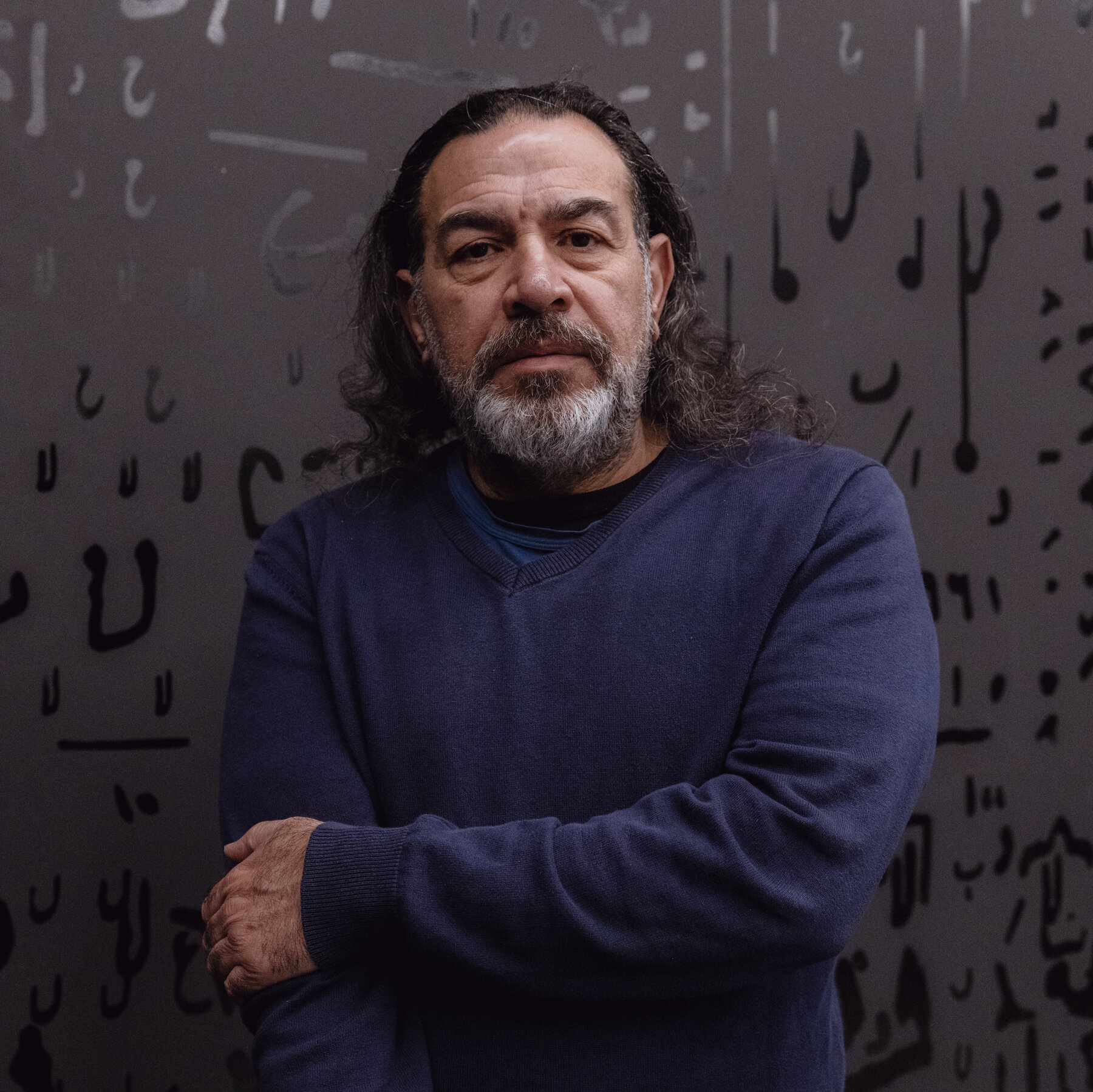
The trajectory of a major art career can be fraught with unexpected challenges, often placing artists at the intersection of creative expression and global politics. A recent account details the challenging path of a Lebanese-Australian visual artist who faced the possibility of losing a significant commission to the Venice Biennale. This experience highlights the tenuous relationship between artistic freedom and public scrutiny in international cultural arenas.
At one point, the artist’s participation was jeopardized due to allegations concerning his alleged support for extremist activities. Such accusations can bring an abrupt and severe halt to an established career trajectory. However, the narrative demonstrates a remarkable resilience, culminating in his reinstatement for the event. Upon arriving in Venice, the artist is set to display a notable body of work, showcasing not a single piece, but a curated presentation of two distinct artistic contributions.
The Significance of Reinstatement in Cultural Diplomacy
The ability to secure a showing at an institution as prestigious as the Venice Biennale is not merely a professional achievement; it represents a form of cultural validation on the international stage. When such participation is threatened by controversy, the reinstatement itself carries considerable weight. It suggests a re-evaluation or a degree of acceptance within the institutional structure, allowing the artist to redirect the focus back to his visual language and artistic merit.
This situation serves as a potent case study in how contemporary art operates. It underscores that today’s global art markets are subject to external pressures—be they geopolitical, ideological, or social—that can intersect violently with artistic production. For the artist, the journey suggests a transition from being defined by controversy to being defined by tangible creative output.
Context: The Intersection of Art and Geopolitics
Historically, major international art biennials have functioned as critical cultural showcases, intended to foster dialogue among diverse national perspectives. However, when political tensions are high, these platforms can become battlegrounds for conflicting narratives. The allegations that nearly derailed this artist’s plans bring this tension into sharp focus, illustrating that the curatorial decisions at such events are never purely aesthetic.
For an artist with roots spanning multiple cultural spheres, like this Lebanese-Australian creator, these international forums are particularly significant. They demand a careful balancing act: maintaining a distinctly personal artistic voice while operating within the highly visible, and often politicized, framework of global cultural exchange. The successful display of multiple works in Venice marks a powerful return to the core function of the art show: the presentation of original, complex visual statements.
About the Author