Assessing the Aftermath: The Ongoing Humanitarian Challenge in Flood-Ravaged Nepal
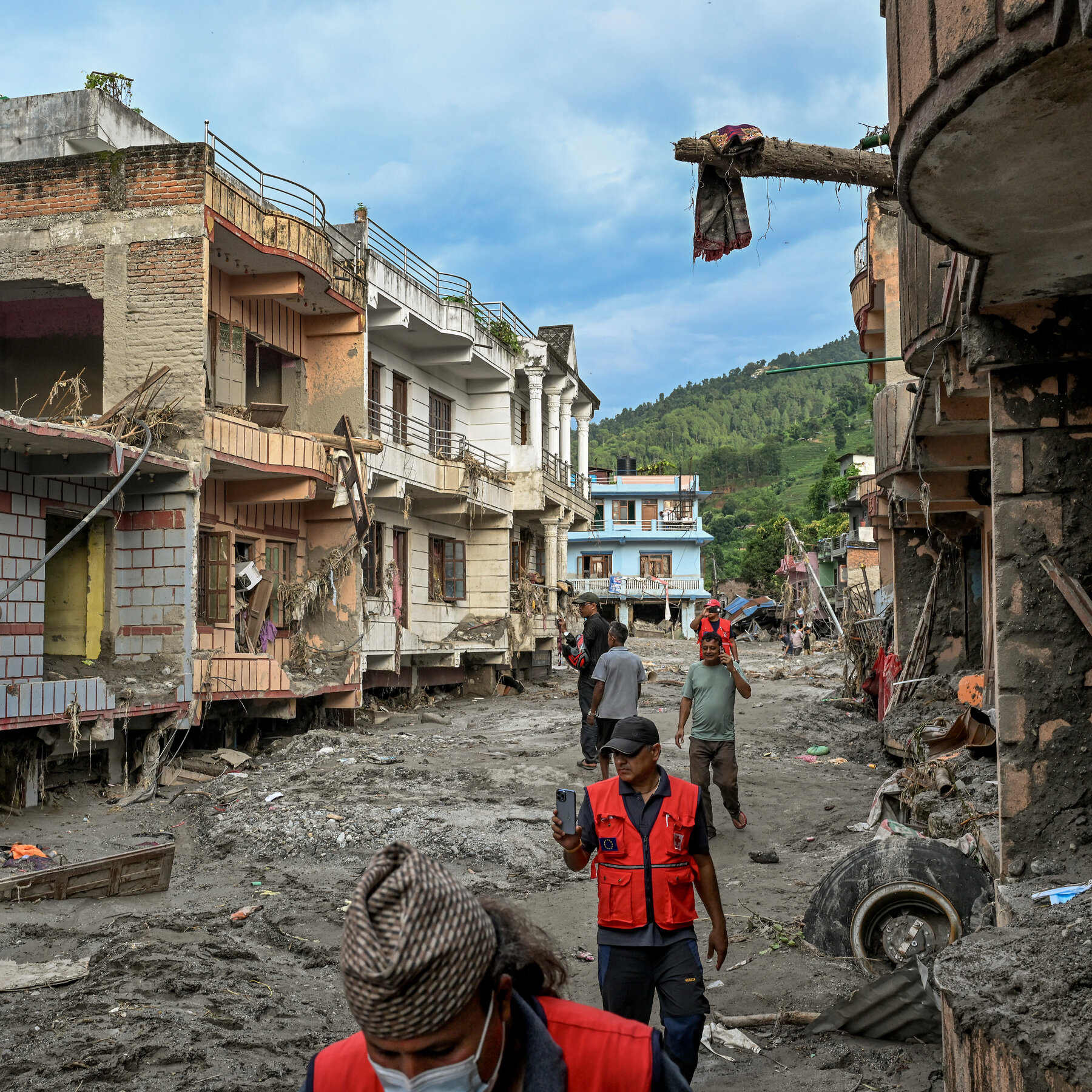
The initial shock of the devastating floods across Nepal is giving way to a grim realization of the sheer scale of the disaster. As rescue operations enter their fourth day, the focus is shifting from immediate search and rescue to a comprehensive assessment of the widespread devastation. The sheer magnitude of the damage across multiple regions suggests that the path to recovery will be protracted and immensely challenging for the nation’s infrastructure and population.
Search teams continue their intensive work in areas where the initial casualty figures remain incomplete. The difficulty of accessing certain remote or heavily damaged zones complicates rescue efforts, requiring sustained logistical support and specialized equipment. Authorities are working to map the full extent of the missing persons count, which remains a critical priority as families await news of loved ones.
The Immediate Impact and Humanitarian Crisis
The immediate impact of the flooding has created a severe humanitarian crisis. Beyond the missing persons, communities are grappling with the loss of essential infrastructure, including roads, bridges, and power grids. This breakdown in basic services severely hampers the delivery of aid, making it difficult for aid workers to reach the most affected populations.
Furthermore, the agricultural sector, vital to Nepal’s economy, has suffered significant setbacks. Flooding has inundated farmlands and damaged livestock, threatening food security in the coming months. The immediate need for clean drinking water, temporary shelter, and medical aid is overwhelming the local resources.
Long-Term Recovery and Resilience
The scale of the destruction points toward a recovery effort that will require substantial international coordination and sustained funding. Rebuilding will not only involve physical reconstruction—such as rebuilding homes and roads—but also a massive effort to restore livelihoods and stabilize local economies. Experts are emphasizing the need for resilient rebuilding practices that can better withstand future extreme weather events.
The situation underscores the vulnerability of the region to climate-related disasters. While the immediate focus remains on locating the missing and providing emergency relief, the long-term narrative must pivot toward disaster mitigation and strengthening community resilience against future environmental shocks. The coordination between governmental bodies and international aid organizations will be paramount in navigating this complex recovery period.
About the Author