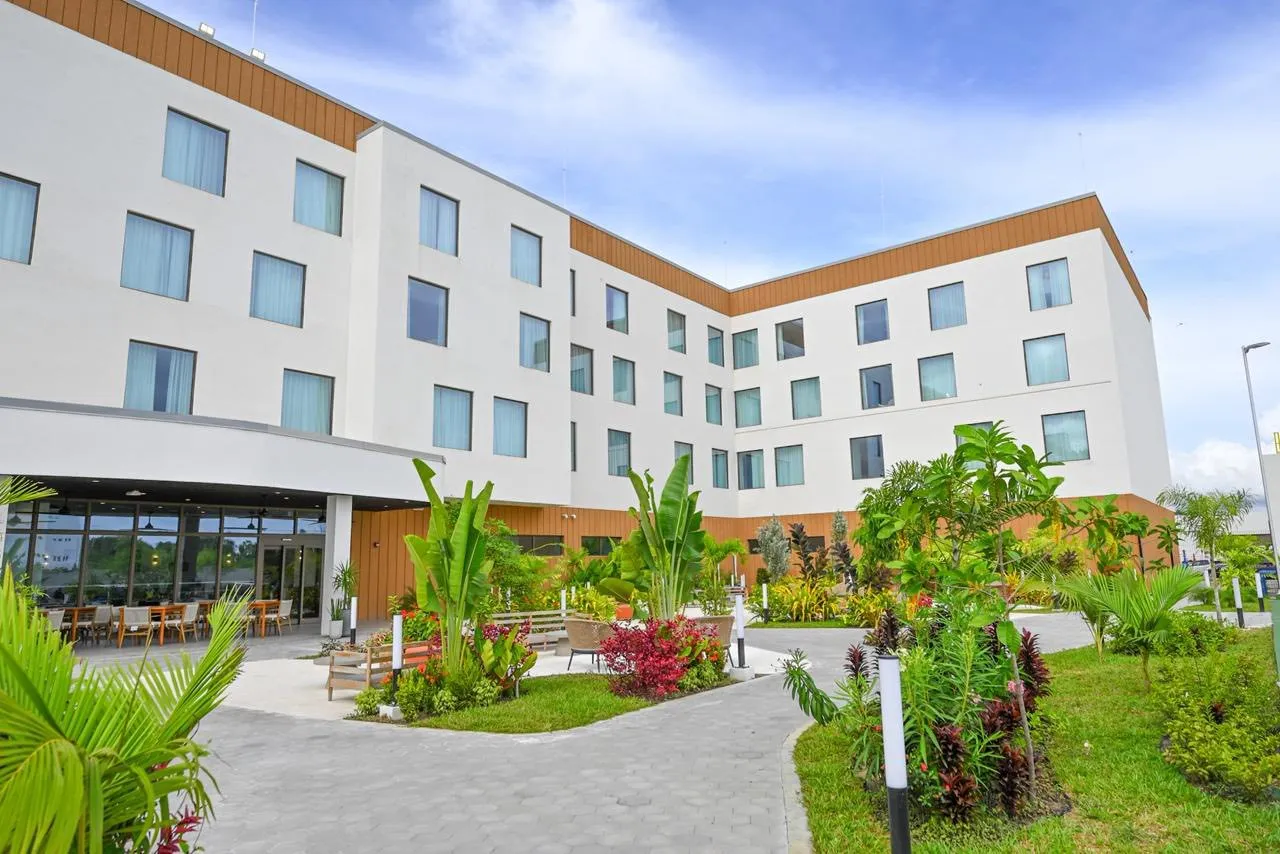
The recent commissioning of the Four Points by Sheraton Hotel in Georgetown represents a significant addition to Guyana’s hospitality infrastructure. This multimillion-dollar establishment brings 172 guest rooms, alongside comprehensive amenities including dedicated event spaces, dining facilities, and recreational areas. What distinguishes the property is its thoughtful design, which successfully integrates elements of Guyana’s rich Indigenous culture into its modern architecture, offering both luxury and deep cultural resonance to visitors.
The opening event highlighted the strategic timing of the investment. Officials pointed to the national commitment to expanding tourism as a major economic driver. The availability of enhanced lodging capacity is viewed as critical support for Guyana’s growing profile on the international stage, particularly with numerous large-scale conferences and major sporting events scheduled throughout the current year. This influx of international visitation underscores the growing global interest in the nation.
What This Means for Guyana’s Economy
This development signals robust investor confidence in the Guyanese economy. By attracting substantial foreign capital for a high-end commercial venture, the hotel reinforces the government’s push to diversify revenue streams beyond traditional sectors. The presence of such a large, modern facility suggests a maturing tourism market capable of hosting international delegations and high-value travelers. Furthermore, the emphasis on sustainable construction within the hotel—earning advanced green building certifications—positions the entire tourism ecosystem to operate with a leading commitment to environmental responsibility.
Sustainability Meets Luxury: An Industry Model
Beyond its physical luxury, the hotel itself serves as a benchmark for sustainable development within the region. It is noted as being among the first hotels in both Guyana and the Latin American and Caribbean area to achieve rigorous EDGE Advanced certification. This international rating system, designed to promote energy, water, and material efficiency, signifies that the accommodation caters to global standards of ecological stewardship. For the hospitality industry moving forward, this sets a precedent, suggesting that high-end tourist offerings can, and must, be synonymous with low environmental impact.
Context and Future Outlook
The successful realization of such a project was credited by the owner to supportive government relations and the assistance of multilateral financial institutions. This narrative of partnership—between private enterprise, local governance, and international development bodies—is key to understanding the sector’s trajectory. The consistent message emerging from stakeholders is one of profound belief in the nation’s potential. As the country continues to secure larger international opportunities, the new hotel solidifies Georgetown’s status as a destination capable of accommodating diverse, large-scale global gatherings while upholding a commitment to cultural preservation and environmental integrity.
About the Author