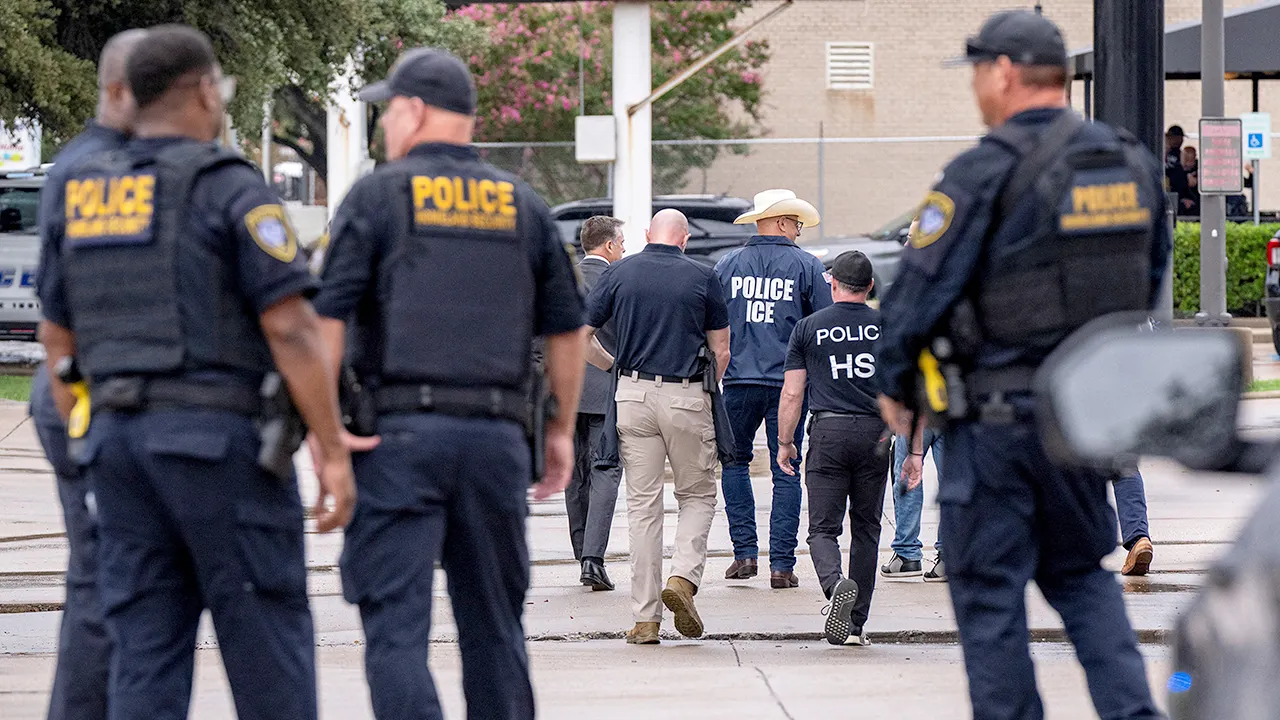
Following a significant security breach at a field office, personnel involved in federal law enforcement have spoken publicly about the intense operational dangers they face across the country. The recounting of the harrowing events detailed highlighted the rapid transition from standard duties to immediate life-saving measures. The incident forced the staff to engage in spontaneous crisis management, placing them in positions where the threat level was immediate and life-threatening.
The testimonies provided by officers and staff revealed the sheer chaos of the assault, describing moments when structural integrity was compromised by gunfire. Their immediate actions centered on mitigating harm both to themselves and to others under their care. This involved swiftly establishing triage areas and physically extricating injured individuals from transport vehicles and other hazardous zones. The nature of the emergency demanded an instinctive response far exceeding normal security protocols.
Beyond recounting the specific details of the attack, the discussions underscored a profound shift in the perceived risk within the profession. The experiences recounted prompted an open dialogue about the psychological and physical toll of such unpredictable violence. The shared anxiety among the personnel pointed to a collective grappling with the question of personal safety while executing their duties in volatile environments.
Significance of the Current Operational Climate
The accounts serve as a stark indicator of the heightened threat profile facing federal agents nationwide. The shared concern about survivability speaks to an environment where basic officer safety is a daily, underlying consideration. When officers publicly express fear regarding injury or mortality while on the job, it signals that the perceived threat level has reached a critical point. This collective apprehension suggests that the agency and its personnel are managing in an area of escalating national danger that requires extensive review of safety protocols and departmental support.
Context of Enhanced Danger
This heightened sense of jeopardy is reportedly occurring amidst a backdrop of increasing national tension and elevated levels of hostility directed toward facilities operating within the realm of border enforcement. The need for personnel to rapidly deploy skills—from immediate first aid to complex tactical evasion—in the wake of such an attack illustrates that routine operations are increasingly susceptible to severe, unpredictable violence. The collective realization that their duty requires confronting potential death at the workplace frames the job as inherently more dangerous than previous operational standards indicated.
About the Author