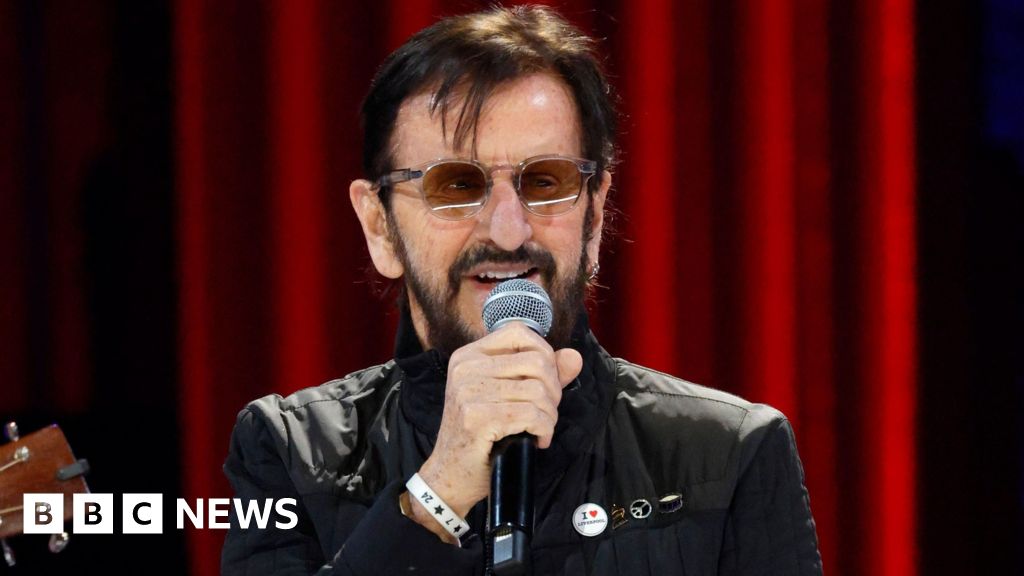
Ringo Starr Finds New Rhythmic Voice in American Country Music
The enduring career of Ringo Starr continues to see the legendary musician embracing diverse musical landscapes, most recently showcasing a strong affinity for country genres. Far from the stadium anthems of his prime, Starr has channeled a distinct Nashville flavor into his latest recorded work. This pivot suggests a willingness to let established accolades fade in favor of raw musical exploration, proving his longevity through stylistic reinvention.
During recent discussions about his new album, the focus remained squarely on the music itself rather than past glories or formal recognition. Starr seems eager to shed any sense of historical formality, instead promoting an atmosphere of laid-back creativity. He spoke of his embrace of the Californian atmosphere, noting that the region has felt like a comfortable home base for him since the 1970s, appreciating its unique vibrancy.
This period of artistic rebirth is characterized by a collaborative spirit. Starr has teamed up with various established acts, including names from genres ranging across the American musical spectrum. For the musician, the magic, he suggests, has always been found in the energy of performing alongside others, a pattern that defines his approach to recording and practice.
The Significance of Genre Shifts
Starr’s venture into country music marks a notable professional evolution. For artists who achieve iconic status within one genre, shifting focus can be seen as either a departure or a profound statement of artistic freedom. Here, it suggests a deep comfort with collaboration and a desire to connect with new audiences through familiar, yet unexplored, musical idioms. By merging his lifelong experience with modern country sounds, he is continually redefining what his musical identity can be.
His openness about his creative process—and the acknowledgment that growth often involves public error—offers a relatable message to younger musicians. This perspective grounds his artistic endeavors in the reality of continuous learning, suggesting that vulnerability on stage is part of the creative journey.
A Lifelong Commitment to Performance
This current chapter is framed by a philosophy of communal creation. Starr has maintained a practice where solitude in musical development is uncommon; he emphasizes the necessity of sharing musical effort with others. Looking back at his formative years, his earliest musical inclinations were developed through vigorous, if noisy, practice sessions. These early experiences laid the groundwork for a lifetime built on the necessity of performing music in the presence of an audience, whether that audience was composed of neighbors or millions of fans.
{ }
About the Author