Russia Dismisses Talks with Ukraine, Citing Unmet Preconditions for Peace
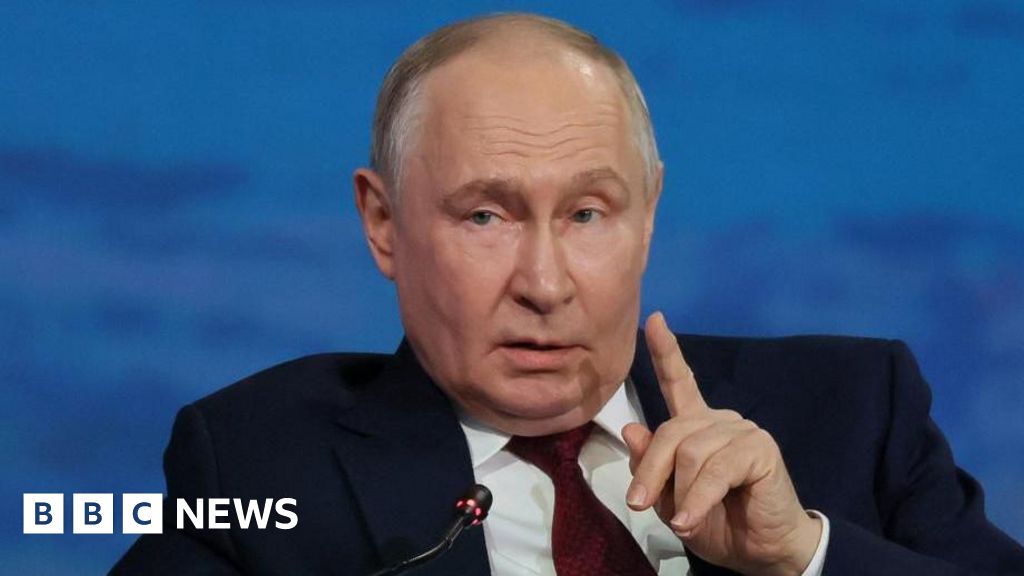
Following an appeal from Ukrainian President Volodymyr Zelenskyy proposing direct discussions to cease hostilities, Russian President Vladimir Putin has publicly stated his unwillingness to meet. Putin dismissed the proposal, asserting that any discussion regarding an end to the conflict must first be predicated on Russia achieving its established objectives. This refusal indicates a continued adherence to a precondition-based negotiation strategy, effectively postponing any high-level dialogue.
Zelenskyy’s appeal called for immediate, direct negotiations, arguing that the international community could not afford to delay addressing the conflict following the major escalation in 2022. However, Putin swiftly characterized the outreach as inappropriate, labeling the communication as ‘rude.’ Furthermore, Putin maintained that genuine peace talks require far more than simply implementing a temporary cessation of fighting.
What This Means: Escalating Diplomatic Deadlock
Putin’s firm rejection of a meeting, despite Zelenskyy’s explicit invitation, solidifies the current diplomatic impasse. The Russian stance signals that, from Moscow’s perspective, Ukraine must make substantial concessions to Russian demands before any meaningful negotiation can begin. This framework places the onus entirely on Kyiv to alter its position, rather than engaging in collaborative problem-solving.
The exchange highlighted a fundamental disagreement over the path to peace. While Zelenskyy emphasized the necessity of immediate dialogue to halt the fighting, Putin counter-argued that a ceasefire alone would merely grant Ukraine time to reorganize its military capabilities, thus undermining Moscow’s stated goals for the resolution.
Background and Context: Diverging Visions for Resolution
Throughout the reporting, the core disagreement has centered on the prerequisites for de-escalation. Russian officials repeatedly indicated that any path to a durable settlement requires comprehensive, long-term agreements. These agreements, according to statements made, must satisfy specific, outlined Russian interests regarding the status of forces and territorial arrangements. The emphasis is consistently placed on expert-led development of solutions, which must precede any discussion at the highest political levels.
In response to the outright dismissal, Ukrainian leadership reacted by asserting that the refusal demonstrated a persistent unwillingness by Russia to end the conflict. This exchange underscores the deep divergence in foundational goals: one side advocating for immediate negotiation to halt violence, and the other requiring prior compliance with a set of non-negotiable preconditions before dialogue can be considered viable.
About the Author