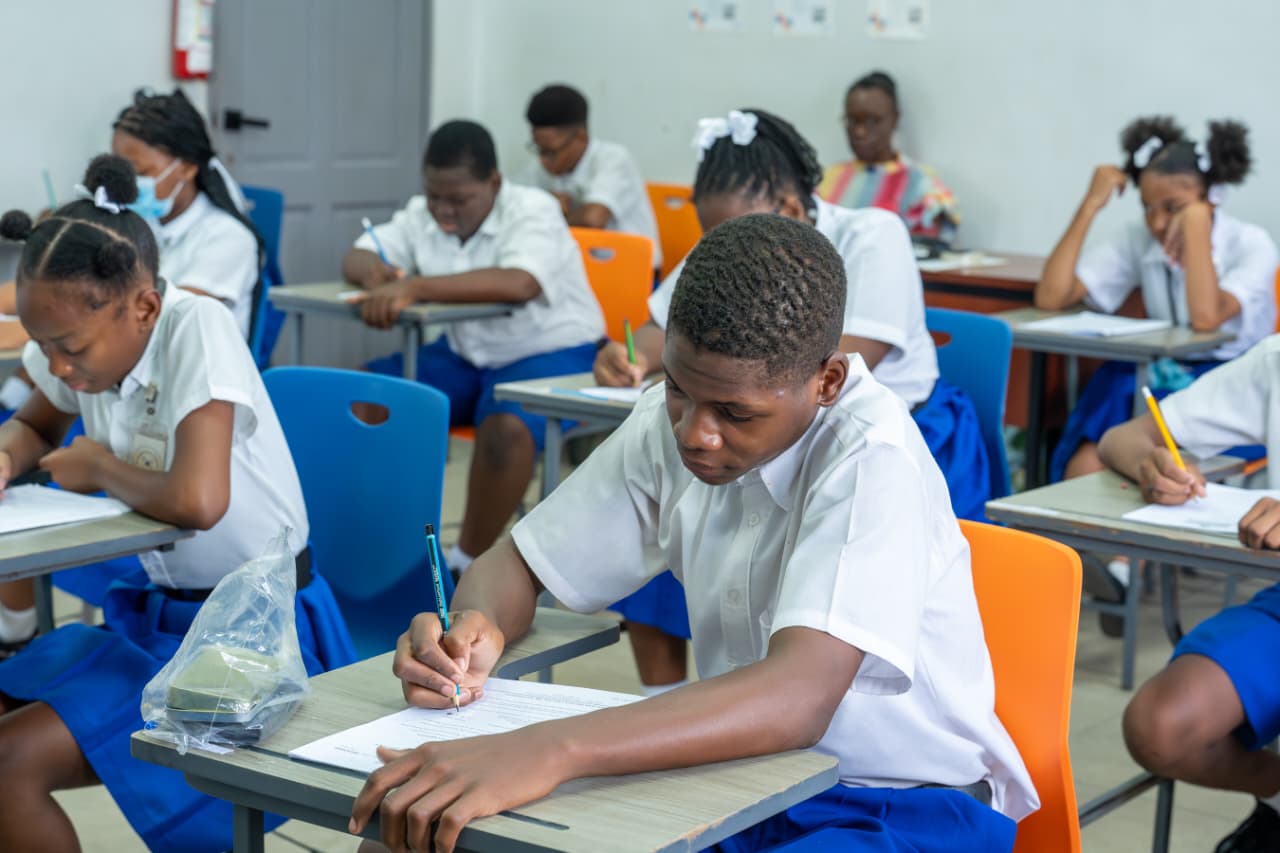
The educational landscape in Guyana has reached a significant juncture with St. George’s School of Sciences emerging as the first public institution to participate in the Caribbean Certificate of Secondary Level Competence (CCSLC) examinations. This early involvement signals a major governmental effort aimed at reinforcing foundational learning skills among students transitioning through the secondary grade levels. The initial examination process commenced with assessments across several core areas, involving a cohort of students who successfully navigated the initial stages of this new curriculum structure.
This pioneering participation designates St. George’s as a critical pilot site, benefiting from specialized training and preparation for the CCSLC. The program itself is designed by the Caribbean Examinations Council and centers on assessing a core set of competencies, moving beyond mere academic recall. The focus is intentionally broad, encompassing key subjects like English Language, Mathematics, and Science, while also emphasizing crucial life skills, civic awareness, and digital proficiency.
The Significance of the Competency Model
The introduction of the CCSLC represents a strategic shift toward competency-based assessment within the education system. According to officials involved in the initiative, the program’s primary goal is not to supersede traditional secondary education but rather to build a robust scaffolding for future learning. It equips students with a foundational toolkit of knowledge, valuable attitudes, and measurable skills. Successful completion at a specified level grants certification, which the Ministry of Education affirms will facilitate a smoother progression into advanced secondary courses and vocational training opportunities.
Crucially, the curriculum’s scope extends deeply into character development. The assessment structure values not just academic aptitude but also attributes such as respect for self and community, underscoring a commitment to holistic student development. This integrated approach suggests that graduates are being prepared not just for exams, but for active citizenship and future employment readiness.
Systemic Impact and Future Trajectory
The successful execution of these exams at the public school level is being viewed as a model for the nation. Educators have voiced strong endorsement for the program, recognizing its potential to boost student self-assurance and academic capability over time. While the rollout was new, the widespread professional support, coupled with ongoing training provided by the Ministry, indicates a committed institutional push. This initial success positions the school as an ambassador for the broader adoption of the curriculum across Guyana’s secondary schools.
Looking ahead, the program is scheduled to expand its reach, with subsequent cohorts anticipated to take the exams in the coming years, drawing from the wider secondary student population. The Ministry continues to champion the CCSLC framework as a key element of its larger mission to bolster foundational education, enhance student certification rates, and better prepare the younger generation for both higher academic pursuits and immediate contributions to the national economy.
About the Author