Guterres urges mineral-producing nations to claim more value from energy transition
At a G77 and China ministerial meeting, the UN chief warned that demand for critical minerals must not reproduce old patterns of resource exploitation. His remarks echo Guyana’s efforts to expand local gold refining and jewellery production.
United Nations Secretary-General António Guterres has urged countries supplying critical minerals to retain a larger portion of the wealth created from their resources. Speaking Friday as foreign ministers from the Group of 77 and China began their 50th annual gathering, he cautioned that the shift to clean energy must not repeat inequalities associated with earlier resource booms.
Guterres called for an end to the extraction of wealth from resource-rich developing nations without a fair return. He said both producing countries and communities affected by mining should gain substantially more from the minerals being taken from their land, rather than serving only as raw-material suppliers to the global economy.
“Developing countries must be leaders and beneficiaries of the clean energy revolution, not spectators,” he said. Demand for minerals used in batteries, electric vehicles, renewable power systems and other technologies is rising as countries pursue the energy transition. Guterres warned that manufacturing and economic gains should not be concentrated elsewhere while nations with the necessary resources are left behind.
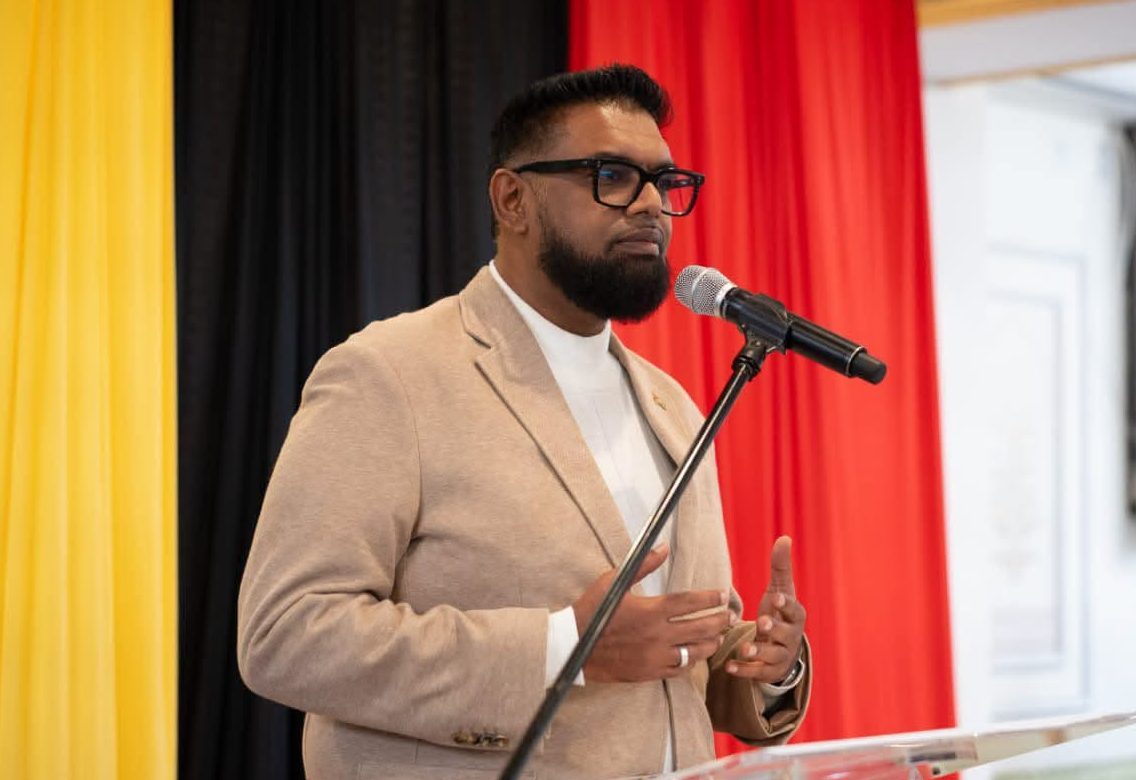
The issue has particular resonance in Guyana, where debate is under way over how to retain more value from natural resources. In May, President Irfaan Ali launched “El Dorado Reimagined,” a national gold and jewellery brand intended to help shift the country beyond exporting unprocessed gold and toward producing higher-value goods.
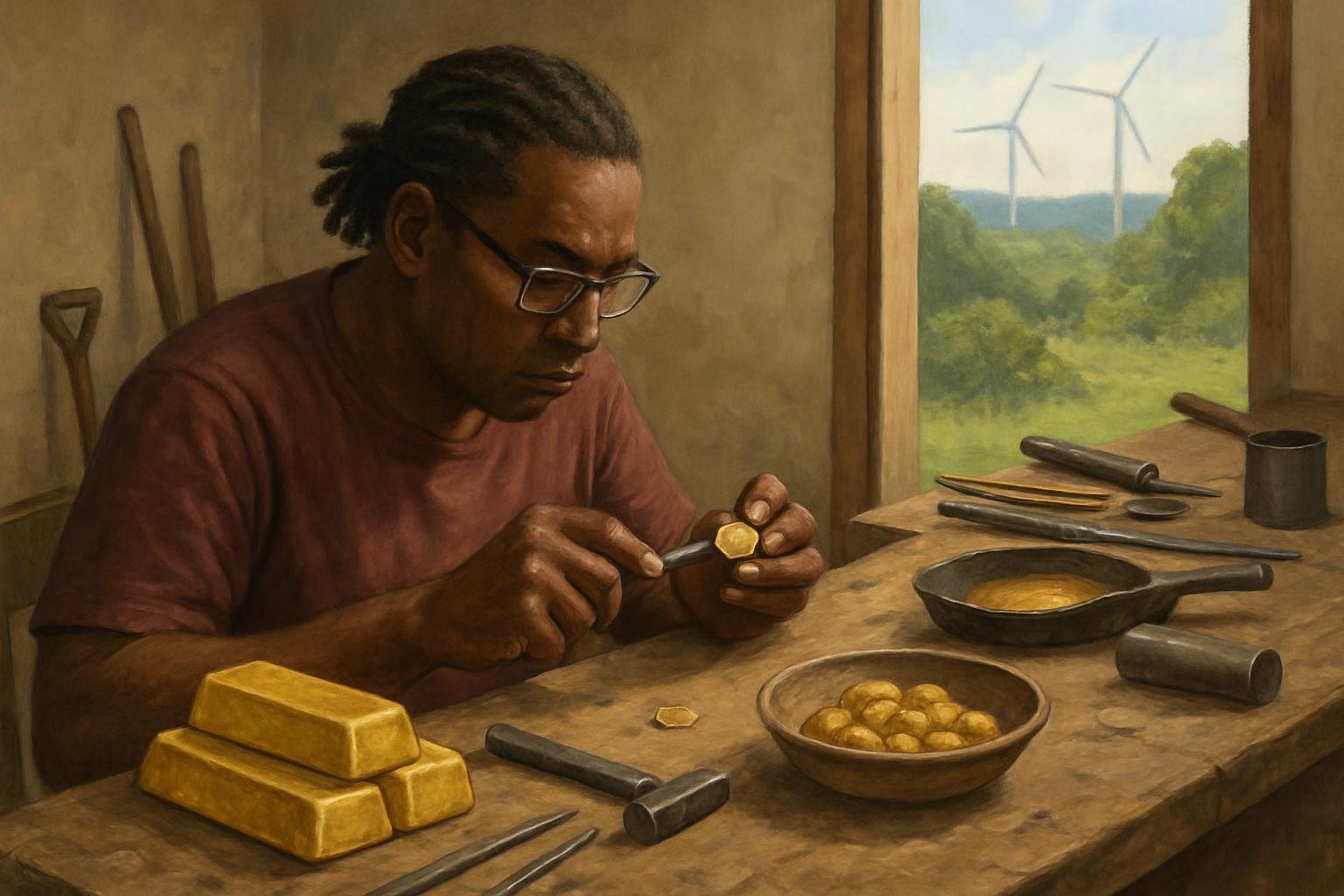
At the launch, Ali said Guyana had spent years extracting and selling gold while employment, expertise and the economic returns tied to later production stages were generated outside the country. The initiative is designed to build local capacity in refining, jewellery craftsmanship and manufacturing. Its first major product was a commemorative gold medallion made wholly in Guyana, with the work spanning mining, refining, design and minting.
Ali described the past pattern as one in which gold was extracted and shipped abroad, taking potential jobs, skills and billions of dollars in unrealised value with it. He said the country was seeking a different course: not abandoning extraction, but adding domestic production that turns resources into higher-value products. Calls for more local refining and processing have also figured prominently in discussions about Guyana’s gold industry.
Guterres linked the mineral question to wider demands from developing countries for changes to the international economic system. Those countries are seeking more influence over decisions on finance, trade, investment and access to technology. Earlier in his address, he said they were burdened by unsustainable debt and unable to secure affordable financing, and pressed for reform of the international financial architecture.
He presented renewable energy as an opening for countries to strengthen energy security and pursue sustainable growth. Guterres said it is now the least expensive source of new electricity in most parts of the world, while resources such as sunlight and wind are not controlled by any single country. But he stressed that the transition’s gains must be distributed more fairly, and that mining the minerals it requires must not deepen longstanding inequities.