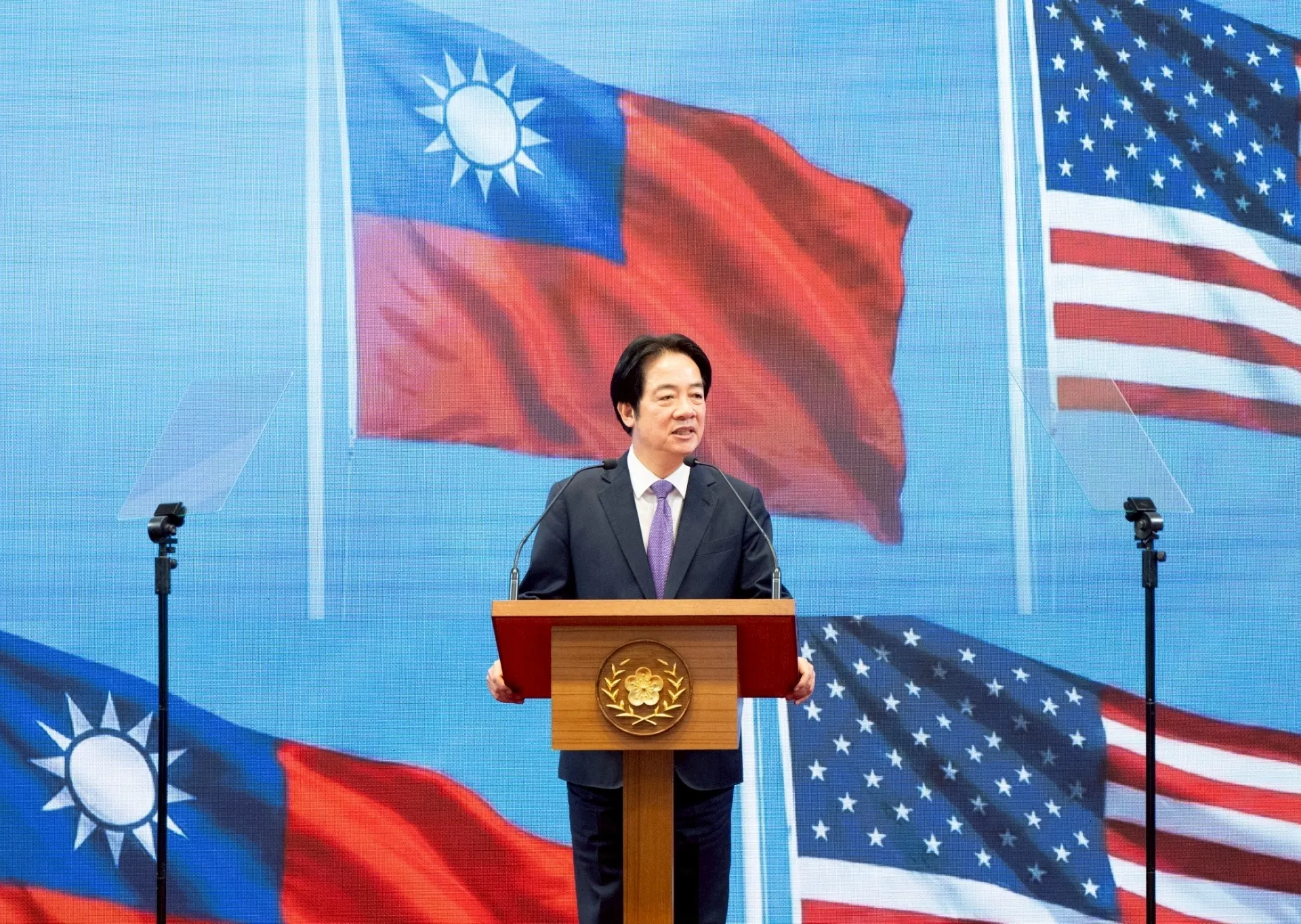
The prospect of a direct discussion between Taiwan’s current leader and Donald Trump has emerged, signaling a potential thaw in decades of strained high-level communication between the island and a major global power. Taiwan’s administration has stated that its president is amenable to speaking with Mr. Trump, an engagement that would navigate complex international diplomatic currents and potentially draw strong reactions from Beijing.
This willingness to engage comes amidst heightened international focus on Taiwan’s defense posture, particularly as the United States reviews significant defense hardware sales packages for the island. The commentary surrounding potential talks also appeared following a recent high-profile visit by Mr. Trump to China, where discussions covered various aspects of the broader geopolitical landscape involving the region.
The ability of such a conversation to materialize carries significant diplomatic weight, as direct communication between the leaders of the United States and Taiwan has been absent for several decades, a gap rooted in major shifts in official international recognition.
The Geopolitical Significance of the Discussion
Should such talks take place, the conversation would necessarily touch upon the stability of the Taiwan Strait and regional security. Taiwan’s officials have consistently maintained that their commitment remains centered on upholding the existing stable conditions in the region, frequently characterizing external actions as destabilizing. The interplay between arms sales, which the United States is institutionally obligated to facilitate to help Taiwan defend itself, and diplomatic dialogues forms a critical nexus of current global tension.
Furthermore, the discussions highlight the underlying tension between Taiwan’s self-governance aspirations and the claims made by the People’s Republic of China, which maintains a territorial claim over the island. The interplay of military support—such as potential multi-billion dollar defense agreements—and high-level political dialogue underscores the deep strategic importance of Taiwan to global stability, prompting continuous analysis of diplomatic maneuvering in Washington.
Context of U.S. Commitments and Regional Tensions
The relationship is further complicated by established U.S. legislation, which mandates the provision of defense capabilities to Taiwan, despite the absence of formal diplomatic recognition. This ongoing commitment means that any discussion regarding arms procurement—a major current point of focus—is viewed not merely as a transaction, but as an affirmation of a foundational strategic policy. Officials on the Taiwanese side have been vocal in reassurances that the United States’ policy stance toward the island remains consistent, suggesting a cautious but optimistic outlook regarding future defense acquisitions.
About the Author