Political Unrest Marks Renewed Flare-Ups of Violence in Somalia’s Capital
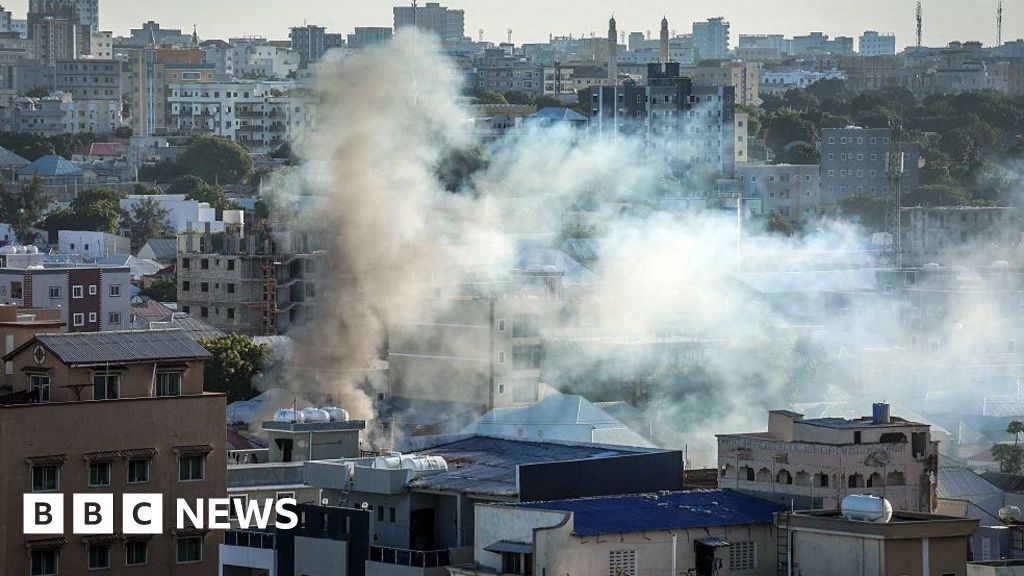
Tensions have escalated dramatically in Mogadishu, Somalia’s bustling capital, as a major rift among political factions has spilled into violent confrontations. Heavy exchanges of gunfire have been reported across various neighborhoods, stemming from deep disagreements regarding the sequencing and legality of upcoming national elections. The dispute has quickly moved beyond political rhetoric, manifesting as direct clashes between elements of government forces and opposition groups.
At the heart of the current instability is the recent extension of presidential mandates. The extension of the presidency, following the official conclusion of the current term, was cited by opposition figures as unconstitutional. This disagreement fueled significant dissent, leading critics to organize and call for large-scale public demonstrations that have reportedly been met with force. The overall atmosphere suggests a deeply polarized political environment where constitutional legitimacy and democratic process are points of intense contention.
The Immediate Fallout and Security Situation
Reports indicate that the violence has been sustained, with gunfire continuing through the night and affecting multiple residential areas. Authorities have responded by describing the situation as requiring a significant security action. Official statements suggest that military and police units are engaged in operations targeting groups described as heavily armed militias that have utilized weaponry such as mortars in certain sectors of the city. Witnesses have recounted alarming incidents, including mortar shell impacts on private residences, leading to property damage and civilian injuries.
The situation has drawn sharp condemnations from key political figures who oppose the current executive arrangements. Some former leaders have publicly accused government elements of attacking protestors who were assembling peacefully. These figures have emphasized that the legitimacy of the government’s actions is questionable, arguing that any force used against peaceful assemblies constitutes a severe breach of fundamental civil rights and an attempt to suppress democratic expression.
Implications for Somalia’s Governance
The conflict highlights the persistent fragility of the political landscape in Somalia. The nation has a history marked by protracted internal conflict, having last conducted a nationwide election under a single-person, single-vote system many decades ago. The recurring instability demonstrates the deep institutional challenges confronting the government in establishing a stable, consensus-driven path toward democratic governance. The credibility of current leadership, particularly regarding the constitutional adherence to mandates and transitions, remains highly contested.
The ongoing friction underscores the necessity of finding a broad political agreement on the electoral timeline. Without a clear, mutually accepted roadmap for the transition of power and the scheduling of polls, the risk of civil disorder and the potential for armed confrontation remain alarmingly high, casting a long shadow over the prospect of lasting national peace.
About the Author