Controversial Repatriation Plans: Focus on New Third-Country Deportation Routes
Recent discussions surrounding border enforcement have brought to light plans for utilizing third-country agreements to manage migrant populations. Officials associated with immigration enforcement have indicated that escalating deportations of unauthorized immigrants remains a key element of policy commitments. Central to the current debate is the preparation to transfer specific groups of asylum seekers and migrants to the Central African Republic (CAR) under a newly formalized accord.
These mechanisms represent an increasing reliance on outsourcing the processing and removal of individuals who lack direct legal channels for returning to their countries of origin. While such agreements are presented as lawful methods for managing migration flows, they have generated significant controversy, particularly concerning the security and humanitarian implications for the receiving nations.
The sheer scope of these proposed arrangements—which could eventually encompass hundreds of individuals—has drawn sharp criticism from legal advocates specializing in immigration defense, fueling debate over the ethics and legality of such widespread relocations.
What This Means: Concerns Over Destination Safety
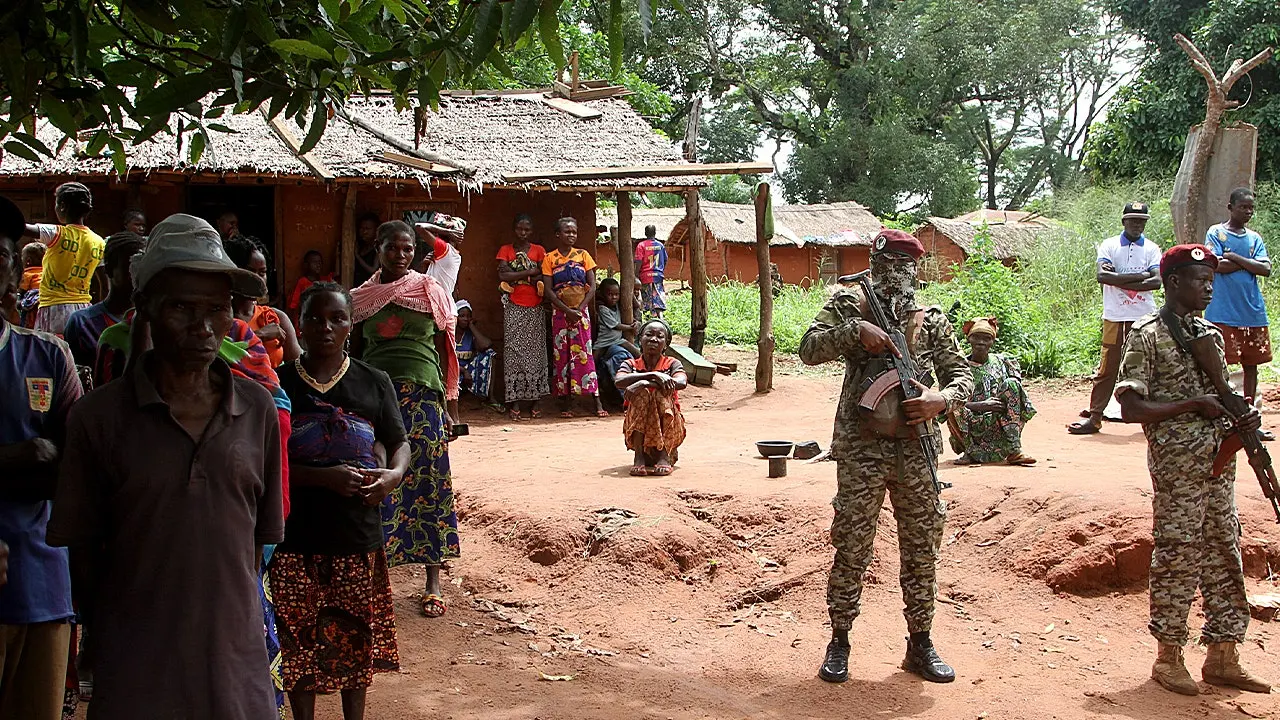
The primary concern highlighted by critics focuses on the destination country itself. The Central African Republic has a documented history marked by protracted political upheaval, instability, and periods of internal violence. Concerns about the safety and reception conditions for deportees are paramount, leading human rights organizations and legal experts to question the appropriateness of the CAR as a placement location for foreign nationals.
These plans are situated within a broader pattern where administrations seek alternative pathways for removal, shifting focus away from traditional repatriation to agreements with nations with established, albeit sometimes fragile, political structures. The details of how these third-country agreements are structured, and who assumes responsibility for the care and rights of the migrants upon arrival, remain central points of contention.
Background and Context of the Arrangement
The political landscape of the Central African Republic itself provides context for the concern. Since its independence decades ago, the nation has navigated numerous internal challenges, leading to recurring periods of unrest and weak state governance. Furthermore, the current leadership in the CAR is actively seeking external partnerships, including with Western powers, particularly regarding the exploitation and development of its mineral resources. This context adds another layer of complexity to the partnership being established with the United States government.
Officials involved with enforcement actions have previously negotiated similar removal arrangements with other nations, such as the Democratic Republic of the Congo. These prior deals suggest a developing policy trend where third-country agreements are increasingly viewed as a standard operational tool for border management, irrespective of the recipient country’s known levels of stability or human rights record. This systemic reliance on such deals forms the core of the current policy discussion.
About the Author