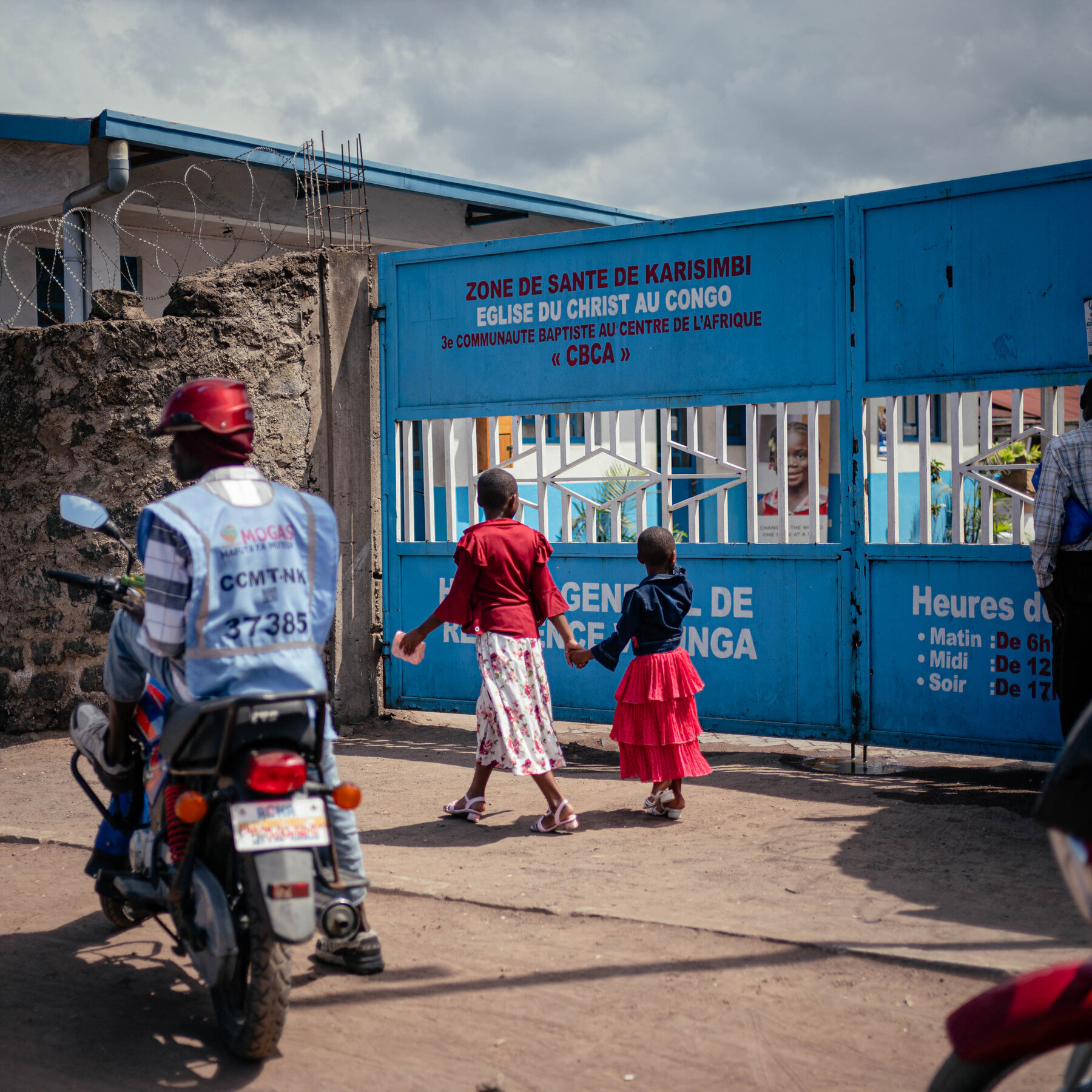
Examining the Current Dynamics of the Ebola Outbreak
Recent developments surrounding the Ebola virus have prompted international health bodies to issue high-level alerts regarding the situation in the Democratic Republic of Congo. The alarming nature of the pathogen, responsible for severe illness and significant mortality rates, has necessitated a global response framework. Reports indicate a concerning increase in cases and subsequent deaths, putting substantial strain on regional healthcare infrastructure and demanding immediate, coordinated action from medical and public health experts.
The scale of the crisis, characterized by the loss of life reported across affected areas, underscores the persistent threat posed by Ebola. Health organizations have escalated their response level, recognizing that this is not an isolated event but rather part of an ongoing public health emergency. This elevated status signals the activation of emergency protocols designed to contain transmission, treat patients, and prevent further outbreaks across neighboring regions.
Significance and Global Health Implications
The current outbreak carries profound implications for global health security. Ebola viruses are notorious for their high fatality rates and the difficulty in containing outbreaks once they gain momentum. The official designation of a global health emergency highlights that the threat transcends national borders. Successful containment hinges on rapidly implementing robust surveillance systems, ensuring that any suspected cases are identified and isolated immediately. Failure to act decisively could lead to regional instability and wider humanitarian crises.
Furthermore, the crisis places immense pressure on logistical capabilities. Deploying necessary medical countermeasures—such as vaccines, personal protective equipment, and specialized treatment facilities—to remote or conflict-affected areas presents significant operational hurdles. The ongoing international effort is therefore focused not only on treating the sick but also on building the long-term resilience of local health systems to manage future outbreaks effectively.
Context and Disease Understanding
Ebola is a severe, often fatal illness in humans. The virus is transmitted through direct contact with the bodily fluids of infected animals or people. Outbreaks are typically characterized by fever, unexplained bleeding, and severe symptoms that can rapidly deteriorate. Understanding the specific strain circulating, along with its precise mode of transmission in the local environment, is crucial for developing targeted public health messaging and intervention strategies.
Historically, Ebola outbreaks have necessitated intensive public health mobilization, involving ring vaccination campaigns, rigorous contact tracing, and community engagement to combat misinformation. The current focus is on maintaining the momentum of these containment efforts. Official statements emphasize the critical need for community trust and cooperation, as adherence to infection control measures remains the single most vital component of epidemic management.
Moving Forward: Containment Strategies
To manage the ongoing crisis, public health efforts are structured around several key pillars. First, immediate case management involves strict isolation protocols for both confirmed and suspected patients. Second, the focus is on enhancing surveillance to catch potential infections early. Third, there is a sustained effort in public awareness campaigns to educate populations on safe burial practices and hygiene to break chains of transmission.
The overall goal, as articulated by international health authorities, is to transition from emergency response mode to sustained prevention. This involves bolstering the capacity of national health ministries, ensuring consistent supply chains for medical necessities, and maintaining a vigilant watch over wildlife and human populations to preempt the emergence of new outbreaks.
About the Author




