Tensions escalated dramatically in the Middle East as reports surfaced of coordinated military engagements between the United States and Iran. The flare-up involved significant aerial and missile activity, with the U.S. military characterizing its actions as necessary self-defense against perceived aggression across the region. Simultaneously, a critical incident occurred in Kuwait, where local authorities reported that international airport facilities were damaged by what were described as Iranian drones, leading to immediate disruptions in civil air traffic.
Official statements detail a pattern of reciprocal attacks. U.S. forces reported neutralizing multiple missile and drone threats targeting commercial and military assets in nearby Gulf nations. These defensive actions were cited by U.S. Central Command as a direct countermeasure to alleged Iranian attempts at destabilization. Meanwhile, Iran has responded by claiming that its missile and drone deployments were acts of retaliation against U.S. military installations and assets operating in the broader regional area.
What This Means:
The confluence of these military maneuvers suggests a dangerous breakdown in regional de-escalation efforts. The incidents highlight a volatile security dynamic where established diplomatic channels for conflict resolution appear to have stalled. The combination of direct military strikes, the disruption of civilian infrastructure like airports, and repeated assertions of aggression points to a deepening geopolitical standoff with significant potential for wider instability in vital maritime corridors.
Background / Context:
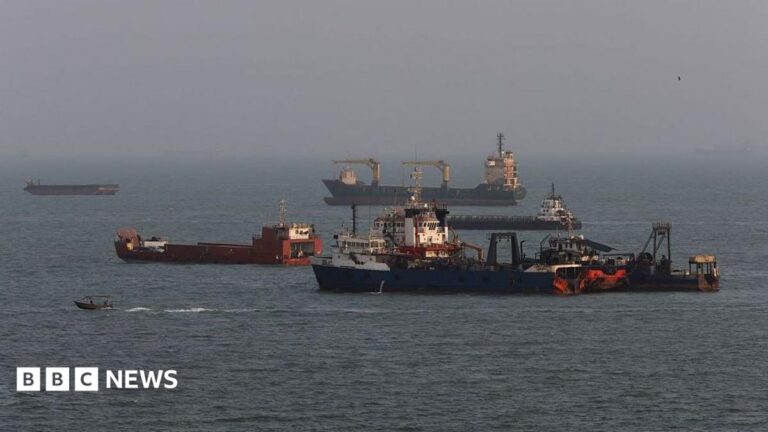
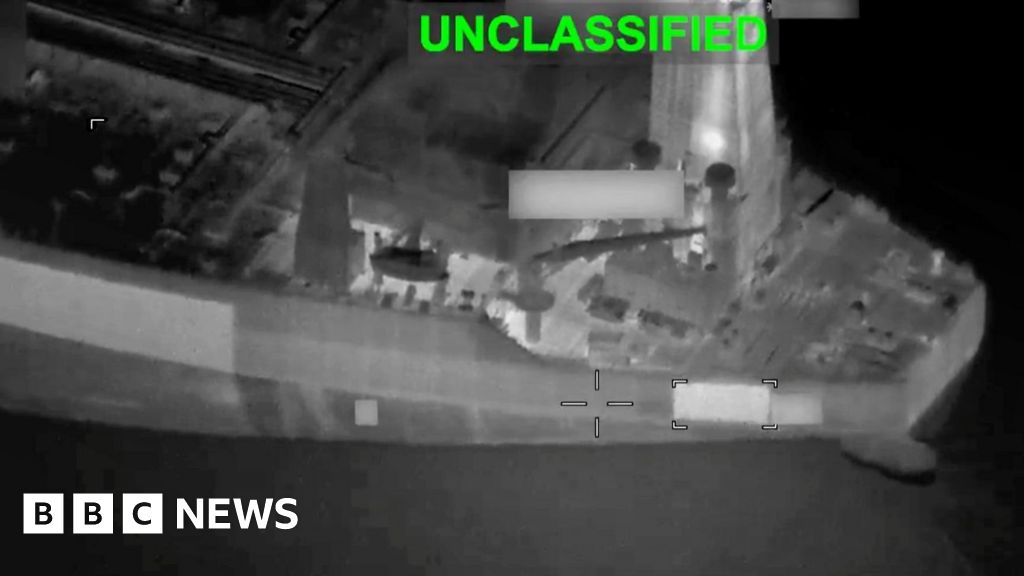
This elevated operational tempo follows periods of failed diplomacy, including stalled ceasefire negotiations intended to bring an end to ongoing conflict. Throughout these escalating events, the maritime security of critical waterways, such as the Strait of Hormuz, has remained a focal point. Reports also indicated that the U.S. military had previously engaged in operations within the area, including actions related to enforcing maritime restrictions on commercial vessels. The consistent pattern of targeting key facilities in nations with U.S. military presences underscores a sustained level of operational friction between the involved regional powers.
About the Author