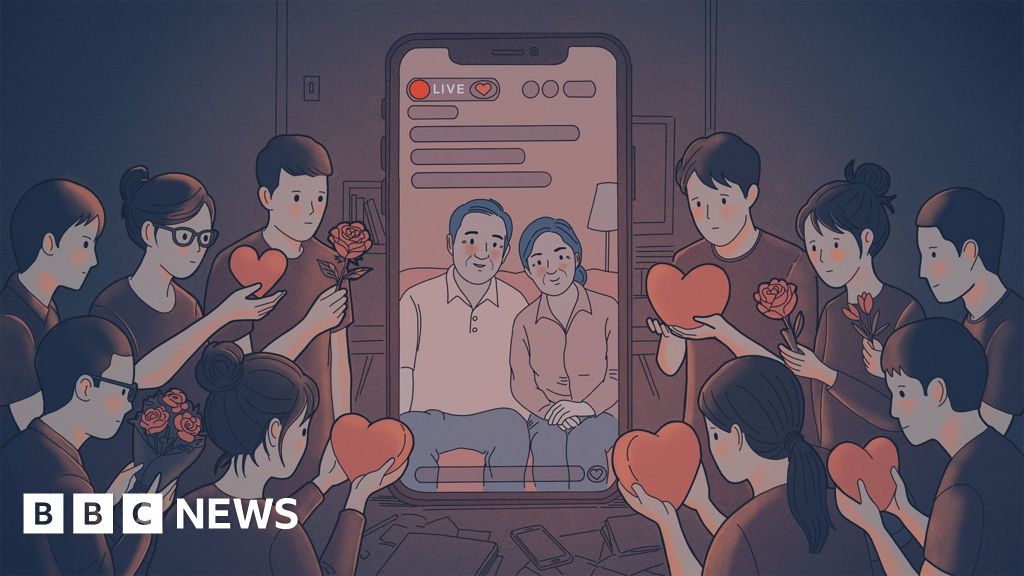
The Digital Embrace: Finding Nurturing Beyond Biological Ties
For many young adults grappling with intense career demands and societal expectations, the need for unconditional affirmation can become profound. In modern China, a niche genre of online content creators, often styled as ‘virtual parents,’ is becoming a significant source of emotional refuge. These digital figures connect with millions of followers by delivering consistent messages of warmth, reassurance, and validation—a stark contrast to the real-life pressures many feel from their own families.
Tech workers and young professionals, like one 33-year-old web developer in Shanghai, report feeling consistently scrutinized by their actual parents. These family interactions often revolve around critiques of career stability, marital status, or work-life balance. The resulting emotional burden is immense, leading some to seek comfort from online personas who offer gentle praise and genuine inquiry about their emotional state, rather than just their achievements.
Understanding the Appeal of Digital Nurturing
The appeal of these online parental figures lies in their perceived lack of judgment and their tailored delivery of empathy. Unlike the sometimes critical, high-stakes conversations that can occur at a dinner table, interactions with these virtual figures feel unconditional and supportive. Followers often treat these creators as genuine emotional anchors, sharing personal updates and seeking blessings, which solidifies the parasocial relationship.
The creators themselves often share personal narratives of hardship, which deepens their connection with their audience. One prominent vlogger, for instance, recounted a difficult early life that shaped his determination to cultivate a genuinely loving atmosphere for his own family. These shared experiences of struggle and the desire to protect one’s loved ones resonate deeply with the audience grappling with similar pressures.
The Cultural Significance of Emotional Support
This trend speaks to a broader cultural tension regarding filial duty versus personal fulfillment. While societal structures continue to place high value on stable career paths and adherence to traditional expectations, the emotional landscape for the younger generation is becoming increasingly complex. The digital space is providing a necessary outlet—a mediated space where emotional needs are met with consistency, regardless of real-world familial friction.
Contextualizing the Digital Shift
The reliance on online emotional scaffolding reflects a generational adjustment to increased personal autonomy alongside amplified external pressures. In this environment, the curated affection of digital media fills a palpable void left by familial communication that might be characterized by criticism rather than encouragement. Consequently, these online ‘parents’ are not merely entertainers; they are becoming perceived as vital sources of psychological sustenance for a digitally connected but emotionally taxed young demographic.
About the Author