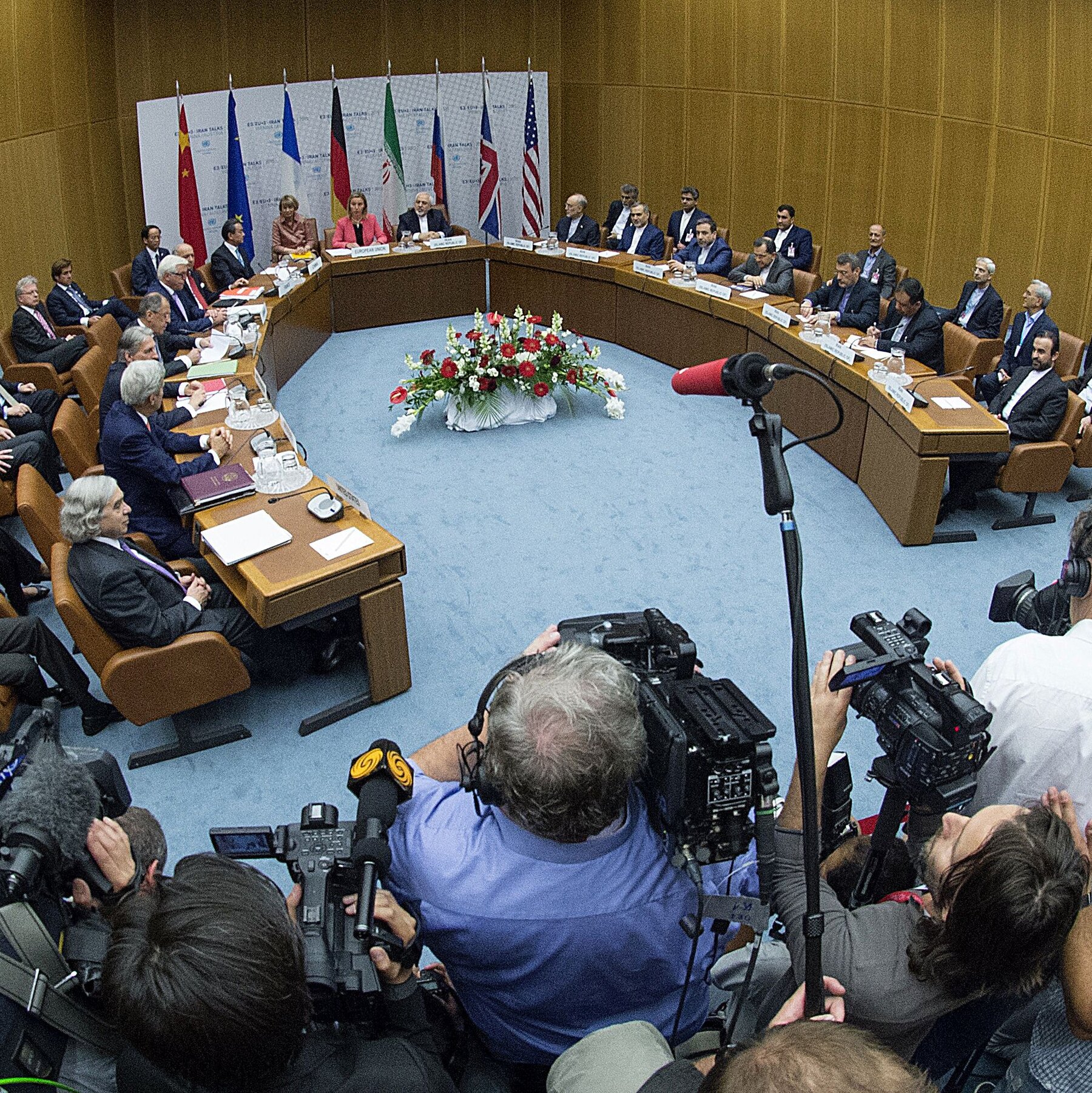
Navigating the Details of the 2015 Iran Nuclear Agreement (JCPOA)
The 2015 agreement involving Iran’s nuclear program, often referred to as the Joint Comprehensive Plan of Action (JCPOA), represented a landmark diplomatic effort aimed at curbing Iran’s nuclear capabilities without resorting to military intervention. At its heart, the deal established a set of strict, verifiable limitations on the scope and materials associated with Iran’s nuclear activities. Instead of focusing solely on the country’s stated intentions, the architecture of the agreement was built around rigorous international oversight designed to ensure compliance and transparency.
This international framework required significant adjustments to Iran’s nuclear infrastructure, particularly concerning the level and type of enrichment technology it could utilize. The core premise was to provide international assurance that nuclear materials would not be diverted for purposes other than peaceful energy generation. The deal mandated regular, intrusive inspections across various sites to continuously monitor adherence to the agreed-upon limitations, creating a durable system of mutual verification.
Significance and Impact of the Arrangement
The signing of the JCPOA was viewed by many global observers as a significant de-escalation measure. Proponents argued that maintaining the agreement provided a vital off-ramp, keeping nuclear tensions managed through diplomacy rather than escalating them to armed conflict. The consensus among supporters was that the arrangement offered a path to international security by placing Iran’s advanced nuclear programs under unprecedented, sustained scrutiny from the global community.
Conversely, the withdrawal of the United States from the agreement later sparked considerable debate regarding global strategic stability. Critics who opposed the deal’s eventual abandonment argued that the framework had successfully curtailed immediate threats while fostering a diplomatic environment that could be utilized for broader regional stability efforts. They contended that the established mechanism of international monitoring was a crucial stabilizing factor that premature removal jeopardized.
Context of International Negotiations
The negotiations leading to the JCPOA spanned multiple years and involved a complex calculus of international interests, balancing non-proliferation goals against regional geopolitical dynamics. The agreement itself was structured to create defined mechanisms for sanctions relief tied directly to verifiable compliance with nuclear limitations. This interlocking structure meant that the deal was not simply a treaty; it was an economic and security architecture designed to reward adherence and penalize deviations.
Understanding this arrangement requires recognizing its unique diplomatic dimensions. It represented a global consensus—albeit one that proved politically fragile—on how to manage a challenging strategic relationship. The success or failure of the deal became a focal point in discussions about international diplomacy’s evolving capacity to manage highly sensitive technological programs through multilateral cooperation.
About the Author