Mass Arrests and Security Measures Define May Day Demonstrations Across Turkey
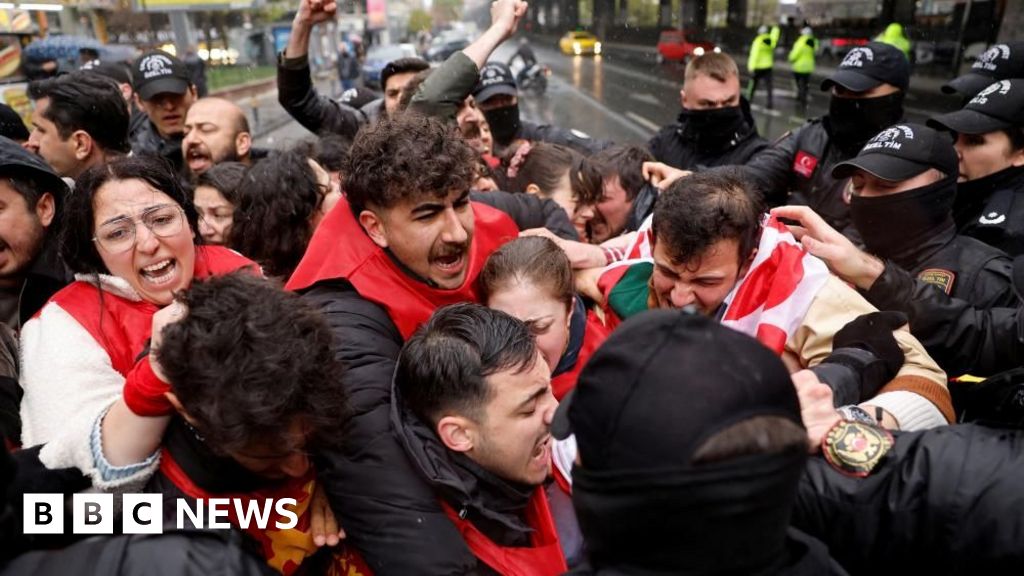
Large-scale demonstrations marking International Labour Day unfolded across Turkish metropolitan areas this year, drawing significant police presence and resulting in hundreds of arrests. Authorities implemented substantial security protocols, particularly around key civic gathering points. In major centers like Istanbul, the gathering of workers and union members faced intense police response, suggesting a high degree of governmental control over public assembly on this traditionally significant day.
Multiple locations across the country saw organized gatherings. While some areas, such as certain parts of Istanbul, saw authorities sealing off or heavily restricting access to historically significant squares, other locations managed to hold permitted celebrations. This pattern indicates a varied enforcement approach, differentiating between officially sanctioned assemblies and those deemed unauthorized or politically sensitive.
The Implications of State Control on Public Dissent
The sheer scale of the police action—including the use of riot control agents like tear gas and water cannons—highlights the state’s prioritization of maintaining public order over facilitating large-scale demonstrations. When gatherings of labor activists and union representatives are met with such force, it underscores ongoing tensions between organized labor movements and government authority. The nature of the arrests, frequently targeting activists attempting to reach specific central districts, points to efforts to manage and channel the scope of political expression.
For workers and civil society groups, these annual celebrations are crucial opportunities to voice collective demands regarding labor rights and economic conditions. The response described suggests that the official narrative regarding public safety frequently supersedes the constitutional right to assembly, thereby shaping the visible landscape of political dissent for the coming year.
Regional Variations in Protest Management
The management of these demonstrations was not uniform across the nation. While some city centers saw severe restrictions or confrontations at well-known historical plazas, other areas permitted festivities in designated, manageable locations. This regional disparity reflects a calculated deployment of state power, allowing certain activities to proceed while simultaneously controlling and limiting the visibility and reach of opposition groups in the most prominent urban centers.
Historical Context of Labor Demonstrations
International Labour Day has long served as a focal point for worker mobilization worldwide. In Turkey, these annual rallies draw out diverse groups, from major trade unions to various political organizations. The recurring pattern of high security measures year after year points to a deeply ingrained, persistent tension. Authorities’ heightened vigilance suggests that the underlying political and economic grievances fueling these public gatherings remain substantial, making May Day a flashpoint for social commentary and potential confrontation.
About the Author