Echoes of Repression: Contemporary Protests Spark Concerns Over Democratic Backsliding in Indonesia
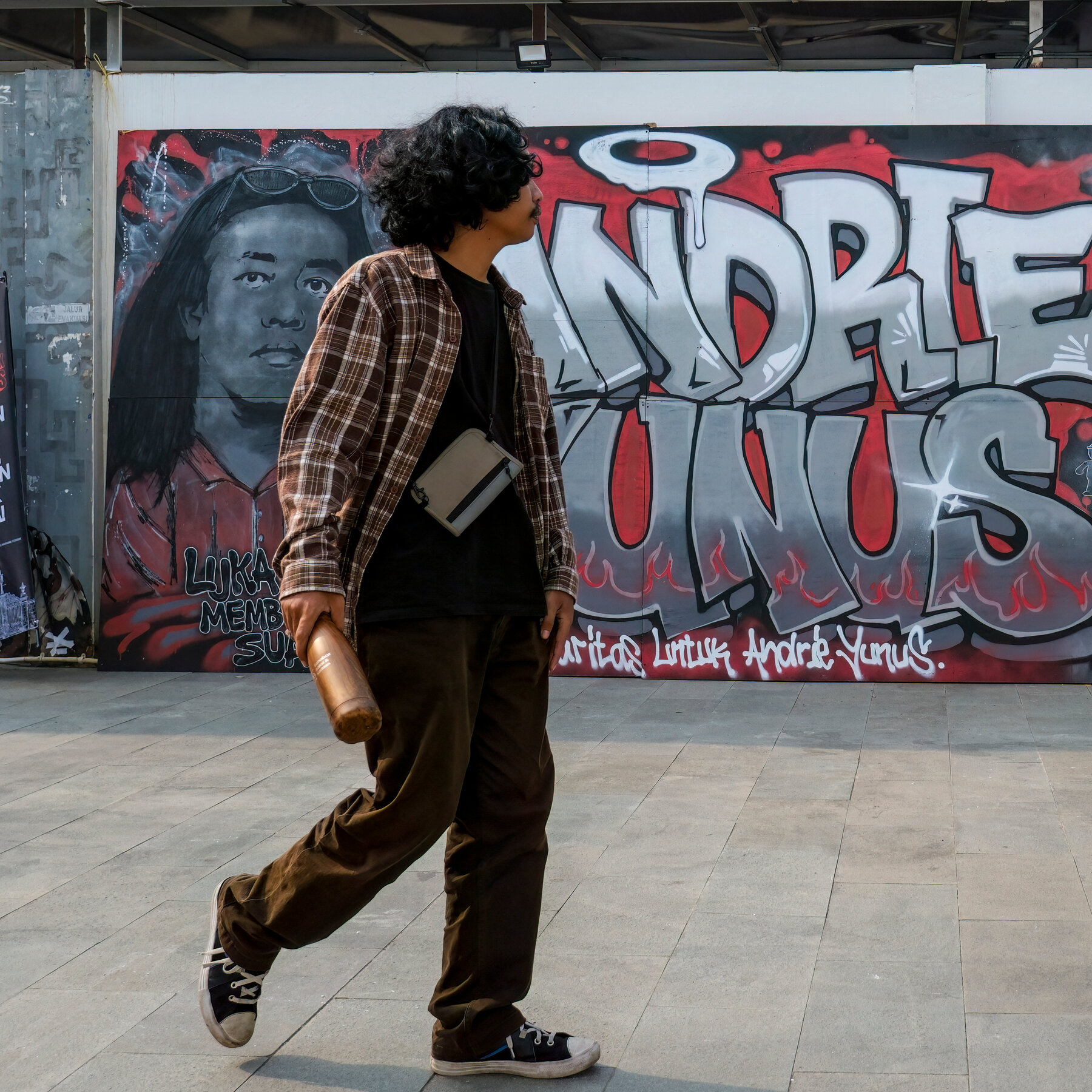
Recent civil unrest in Indonesia, highlighted by an incident of violence against a demonstrator, has brought renewed attention to the fragile state of democratic freedoms within the nation. Activist groups are drawing parallels between the current atmosphere of escalating state power and the repressive tactics used during the Suharto era. The central point of contention revolves around the perceived overreach of military influence in civilian life, which protesters argue stifles dissent and undermines democratic accountability.
The incident involving the targeted violence against a protestor serves as a flashpoint for a broader national conversation regarding civil liberties. Those taking to the streets are voicing deep concerns about the diminishing space for opposition voices. According to observations from human rights advocates, the increasing visibility and presumed authority of certain state elements are fueling a sense of historical unease, prompting calls for a robust recommitment to democratic norms and judicial independence.
Understanding the Significance: Democratic Health Under Scrutiny
The recurrence of such protests signals a growing societal discomfort with the trajectory of governance. When citizens feel that their right to assemble and speak freely is being curtailed by institutional forces, it points to a critical strain on the republic’s democratic foundations. The concern isn’t merely about a single act of violence, but about a pattern—a perceived drift toward authoritarian tendencies that echoes decades past. For civil society organizations, the current climate demands heightened vigilance and organized advocacy to protect the rights established during Indonesia’s transition to democracy.
Contextualizing the Concerns: A Shadow of the Past
The reference to the Suharto regime is not casual; it invokes a period historically marked by severe limitations on political opposition and military involvement in domestic affairs. The memory of that era continues to inform how Indonesian citizens view state power. Therefore, any perceived resurgence of overt military dominance in political disputes is instantly framed through the lens of past abuses. This historical sensitivity means that contemporary protests are not just reacting to immediate policies; they are confronting a perceived return to a structure where military authority outweighs civilian democratic oversight.
In summary, the unfolding events underscore a vital tension: the ongoing push for genuine democratic consolidation against countervailing pressures of institutional power. The dialogue centers on accountability, the scope of state authority, and the fundamental right of Indonesian citizens to protest without fear of retribution.
About the Author