UAE Charts Independent Course Amid Shifting Regional Alliances
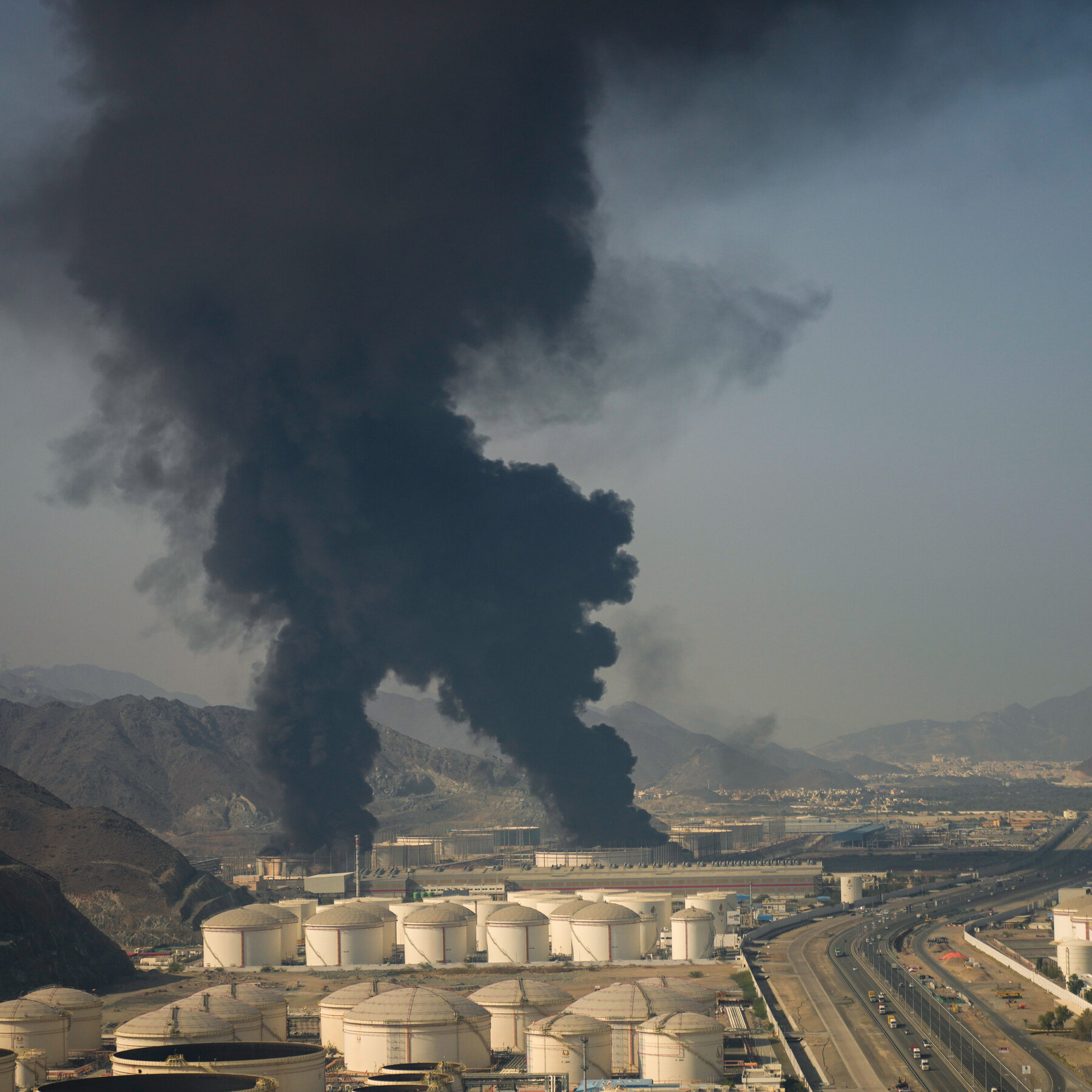
The recent decision by the United Arab Emirates to withdraw from the Organization of the Petroleum Exporting Countries (OPEC) represents a significant divergence from established regional economic and political alignments. This move suggests a pronounced strategic pivot, indicating that the UAE is prioritizing an autonomous foreign and economic policy tailored to its unique national interests. By stepping away from the collective structures that have historically guided Gulf Cooperation Council (GCC) economies, the Emirate signals a commitment to independence in its global maneuvering.
This shift gains prominence when viewed against the backdrop of heightened geopolitical tensions in the broader Middle East. As regional flashpoints increase and established power dynamics become more complex, the UAE’s actions suggest a calculated effort to mitigate risk and maximize flexibility. Rather than adhering to group directives that might align it too closely with rival powers, the country is opting for a path that allows it to engage with diverse global partners without being tethered to single regional blocs. This strategy emphasizes diversified relationships over rigid group adherence.
What This Means for Regional Stability and Trade
The implications of the UAE’s decoupling from OPEC are multifaceted, affecting not only energy markets but also the broader calculus of regional diplomacy. Economically, it signals a maturing of the UAE’s approach, one that relies less on collective mandates and more on its own economic dynamism and trade network diversification. Geopolitically, it introduces a degree of unpredictability, as the UAE positions itself as a non-aligned, outcome-oriented state. This independent stance allows it to maintain crucial relationships with global powers spanning different strategic interests, bolstering its economic resilience.
Background Context: A Search for Autonomy
For decades, the economies of the Arabian Gulf have been characterized by deep integration into regional structures, often dictated by oil market consensus. However, evolving global energy demands, coupled with intensifying bilateral rivalries among neighboring states, have created an environment where monolithic regional coordination is increasingly difficult. The UAE’s gradual move toward greater autonomy reflects a recognition that in a volatile international climate, individual state agility is a paramount asset. This repositioning allows the country to navigate disputes and economic shifts by tailoring its partnerships on a case-by-case basis, rather than being constrained by the consensus of a larger regional body.
Looking Ahead: A Diversified Global Focus
Ultimately, the narrative suggests that the UAE is aggressively pursuing a strategy of comprehensive economic diversification that underpins its political maneuvering. By minimizing reliance on the traditional energy cartel framework, the nation deepens its integration into global finance, technology, and trade routes. This focus on multifaceted engagement underscores a strategic maturation—one where national economic ambition and geopolitical self-determination take precedence over traditional regional solidarity agreements.
About the Author