Attempts to Erect Statue of Political Prisoner Draw Police Intervention in London
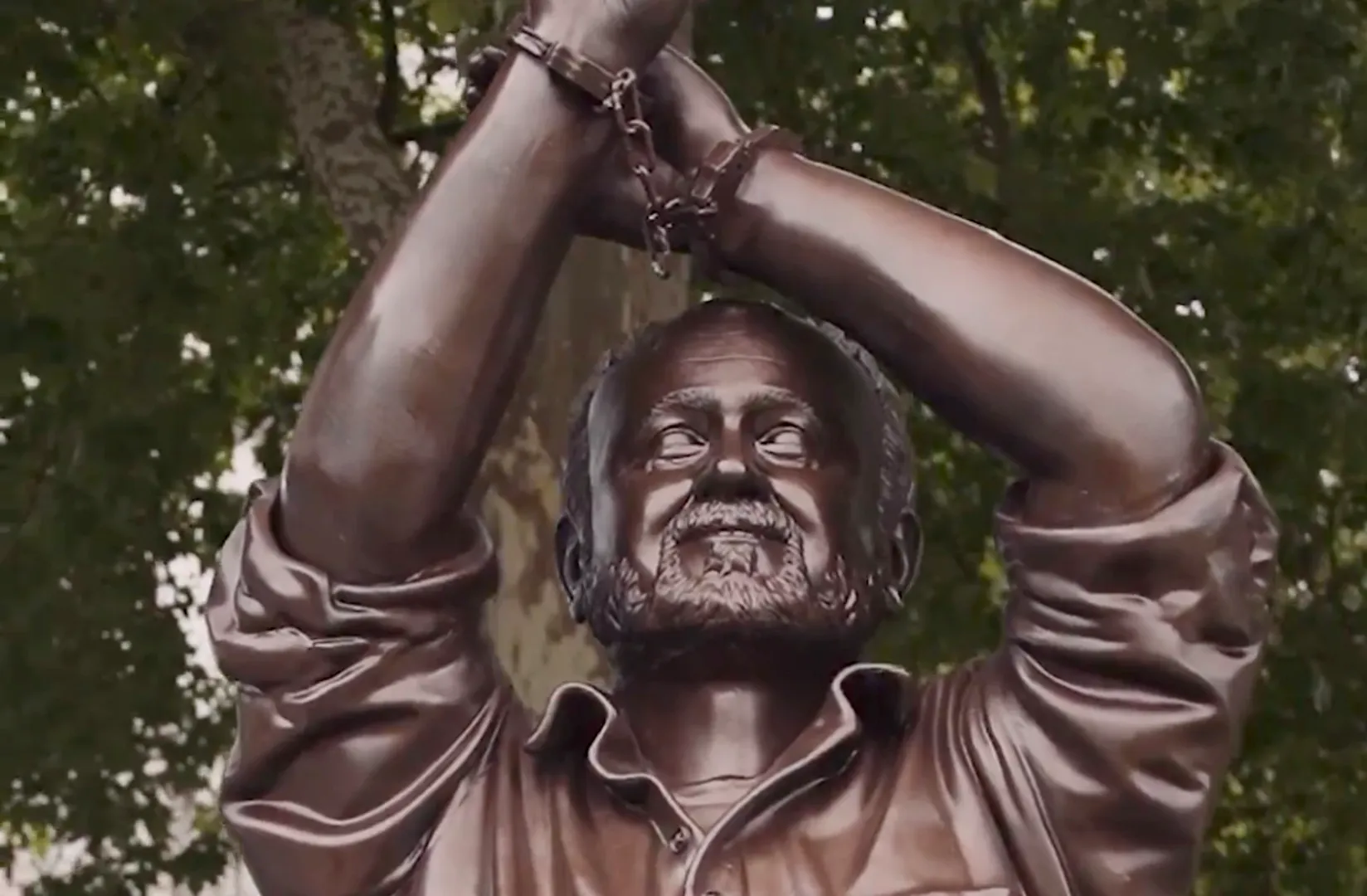
Recent attempts by activists to establish a physical memorial or statue of Marwan Barghouti in the central London area, specifically near Parliament Square, were ultimately thwarted by law enforcement. The planned installation sought to honor the memory and status of Barghouti, a prominent Palestinian political figure who has been incarcerated within Israel since 2002.
These actions represent a visible manifestation of ongoing political advocacy regarding the Palestinian cause. While the efforts aimed to create a public monument, the intervention by police indicated a swift response to maintain order and prevent the display of controversial political symbols in such a highly sensitive governmental location.
The incident draws international attention to the ongoing legal status and incarceration of leaders viewed by some international groups as political prisoners, highlighting the persistent nature of activism related to the Israeli-Palestinian conflict.
The Significance of Symbolic Public Displays
The attempted erection of a statue moves the discussion of Barghouti from purely political discourse into the realm of public art and historical commemoration. Such symbolic gestures are significant because they aim to shift the narrative surrounding an individual—in this case, framing him as a revolutionary figure rather than solely a detained national leader. For advocates, placing such a monument in a globally recognized civic space is intended to force a broader, international acknowledgment of the political grievances underlying his imprisonment.
The act of attempting to erect a statue is inherently provocative. It utilizes the public sphere—a space typically reserved for civic commemoration or government messaging—to deliver a powerful, unsanctioned political statement, thereby generating immediate public and official reaction.
Context of Barghouti’s Imprisonment
Marwan Barghouti is a well-known Palestinian activist and politician. His detention began in 2002, following his arrest. His status and subsequent imprisonment have become central components in the wider regional and international discussions regarding Palestinian rights and freedom. For many supporters, his continued detention is viewed as a fundamental injustice, lending significant weight to any public mobilization efforts aimed at drawing global attention to his case.
The legal and political status of individuals like Barghouti remains a focal point for various international human rights organizations and political advocacy groups. The physical acts undertaken by activists, though quickly managed by authorities, serve as public reminders that this issue remains highly charged and politically unresolved.
Understanding the Nature of Protest
These types of protests often utilize physical symbols—statues, banners, or public readings—to generate media coverage and place political pressure on governments and institutions. When law enforcement intervenes, it generally signals that the proposed action conflicts with established local ordinances concerning public assembly, memorialization, or the display of political symbolism within key civic zones. The confrontation itself becomes a secondary form of media engagement, drawing focus to the tension between freedom of expression and maintaining public order in a sensitive geopolitical context.
About the Author