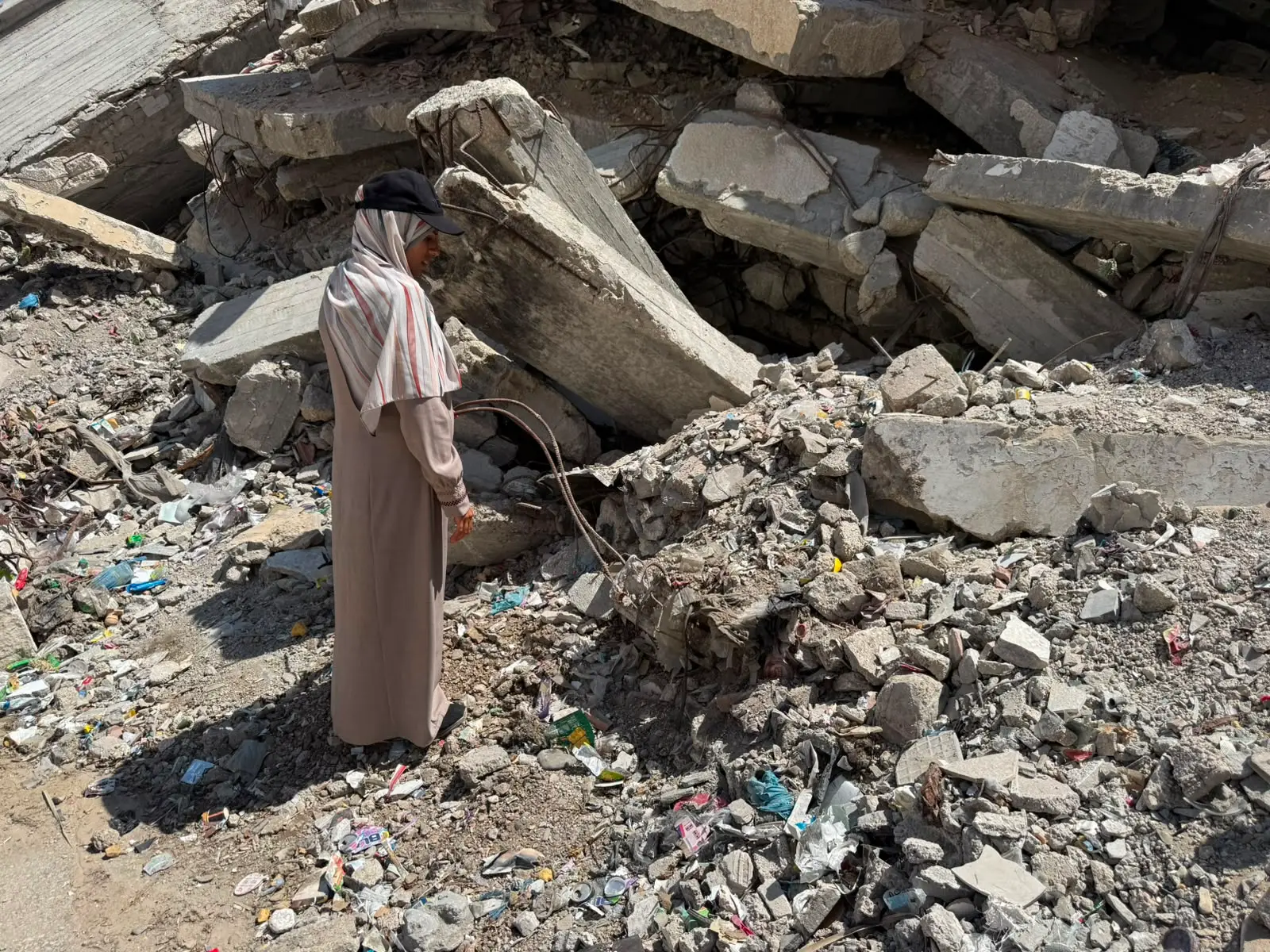
The aftermath of devastating conflict in Gaza has left countless families grappling with unimaginable grief, where the physical remains of loved ones are often trapped beneath tons of rubble. For survivors, the process of recovery is not merely about rebuilding structures; it is a grueling emotional journey marked by the agonizing uncertainty of what remains buried. These communities face the monumental task of searching for missing persons, a process that brings moments of fragile hope alongside profound heartbreak.
For some, the return to a once-familiar neighborhood is an act of confronting a ghost of a life. Families who managed to evacuate and survive are now faced with the ruins of their former homes, places that serve as constant, painful reminders of the lives that were abruptly extinguished. The emotional weight of returning to a space where loved ones may still lie undiscovered creates a unique form of suspended grief, preventing the natural rites of mourning and closure.
This ongoing ordeal means that for many, the trauma extends beyond the immediate loss. The psychological toll is visible in the daily routines of the children, who navigate their environment with an acute awareness of the danger and the absence of family members. The very details of their surroundings—a corner of a room, a specific scent—become triggers for anxiety, turning the act of living into a constant negotiation with unbearable memories.
About the Author