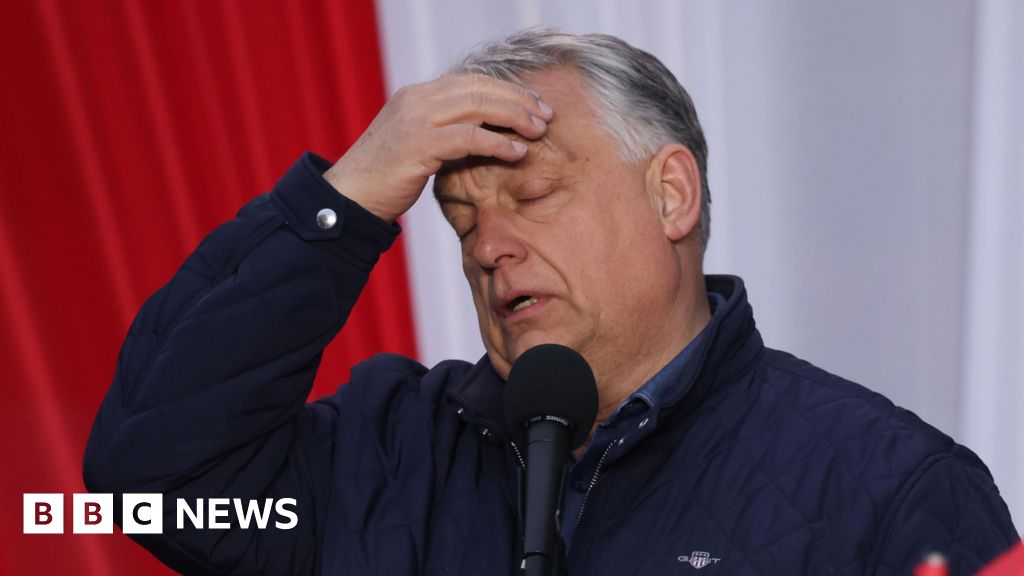
The political landscape of Hungary has undergone a dramatic shift following a recent election, marking the end of a prolonged period of dominance by the ruling party. Key political figures are reportedly making significant adjustments following the poor performance of the administration's core group. The outgoing Prime Minister publicly announced that he would forgo taking his seat in the newly constituted parliament. His stated reason was that his current focus needed to be on guiding the broader national movement rather than participating in the legislative body itself.
This voluntary step away from parliamentary participation comes after the ruling party experienced a substantial decline in its representation. While the outgoing leader secured a place on the party's list through one electoral mechanism, the overall mandate conveyed by the electorate was decisively transferred to an opposition bloc. The opposition, under its leader, achieved a commanding majority in the parliamentary structure, signaling a fundamental change in the country's political direction.
Consequently, the leadership structure within the ruling party itself is undergoing a transition. According to recent organizational meetings, the reins of the main parliamentary group are expected to pass to another senior party member. This formal handover suggests a swift reorganization effort designed to manage the party's diminished standing and navigate the immediate political fallout of the electoral losses.
About the Author