Bridging the Divide: A New Pathway for Sumatran Orangutans to Reunite and Thrive
The construction of a major roadway through critical habitats has had devastating consequences for wildlife populations, and the Sumatran orangutan community is no exception. This infrastructure project effectively cleaved their ancestral forest home into two isolated sections, raising significant concerns among conservation experts about the long-term viability of the group. Isolation in the wild often leads to diminished genetic diversity, placing populations at heightened risk of inbreeding and eventual decline.
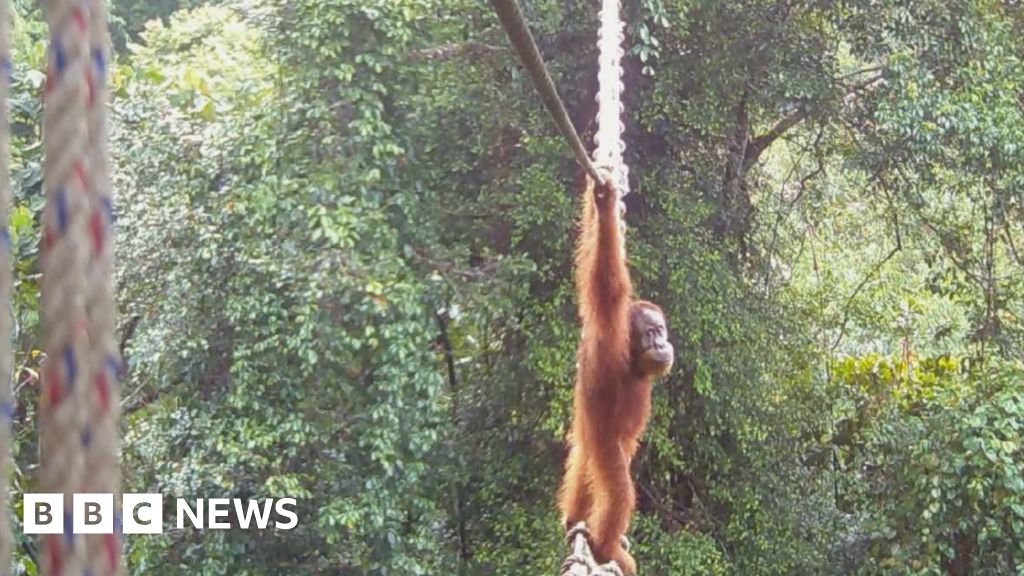
To combat this looming crisis of fragmentation, conservation organizations collaborated with governmental bodies to install a specialized canopy bridge. The goal of this ambitious undertaking was to re-establish a vital corridor, allowing the separated orangutan groups the means to safely move between the two halves of their territory. Initial efforts faced considerable challenges, with the impressive structure remaining unused for a considerable period, suggesting the deep-seated behavioral inertia of the wild animals.
However, the situation shifted dramatically when a single, courageous orangutan made the pioneering journey across the span. This solitary act was recognized by conservationists as a monumental breakthrough. The crossing signals a potential turning point for the entire population, suggesting that the engineered pathway may indeed succeed in reconnecting the separated social units and bolstering the overall health of the species.
What This Means for Wildlife Conservation
The successful passage of an animal through an artificial bridge is far more than a single anecdote; it represents a crucial ecological success. It validates the intensive conservation work and the substantial resources poured into building such wildlife infrastructure. For these primates, the bridge offers a lifeline, promising access to mates, varied resources, and the genetic exchange necessary to maintain a robust population structure against the backdrop of human-altered landscapes.
The Importance of Ecological Connectivity
This event underscores a growing global understanding of wildlife management: that simply protecting an area is insufficient; one must actively ensure that areas remain connected. When human development—such as roads, railways, or buildings—cuts through natural habitats, the ecological impact is often more severe than initially perceived. Such divisions can create ‘islands’ of life, where genetic bottlenecks can occur rapidly. Therefore, structures like the canopy bridge are becoming recognized as essential, engineered elements of modern conservation planning, designed to mitigate the negative effects of habitat fragmentation.
Context: The Challenges of Human Encroachment
The plight of the Sumatran orangutan is emblematic of the larger conflict between human expansion and biodiversity preservation. As human populations expand, the natural frontier shrinks, placing immense pressure on forest ecosystems. These animals require vast, contiguous tracts of forest to thrive, and where these tracts are broken up, their survival chances diminish. The commitment shown by conservationists to develop solutions that work *with* the natural life cycles, rather than just protecting boundaries, highlights an evolving, proactive approach to saving endangered wildlife populations from irreversible decline.
About the Author