Examination of Residential Destruction in Northern Gaza
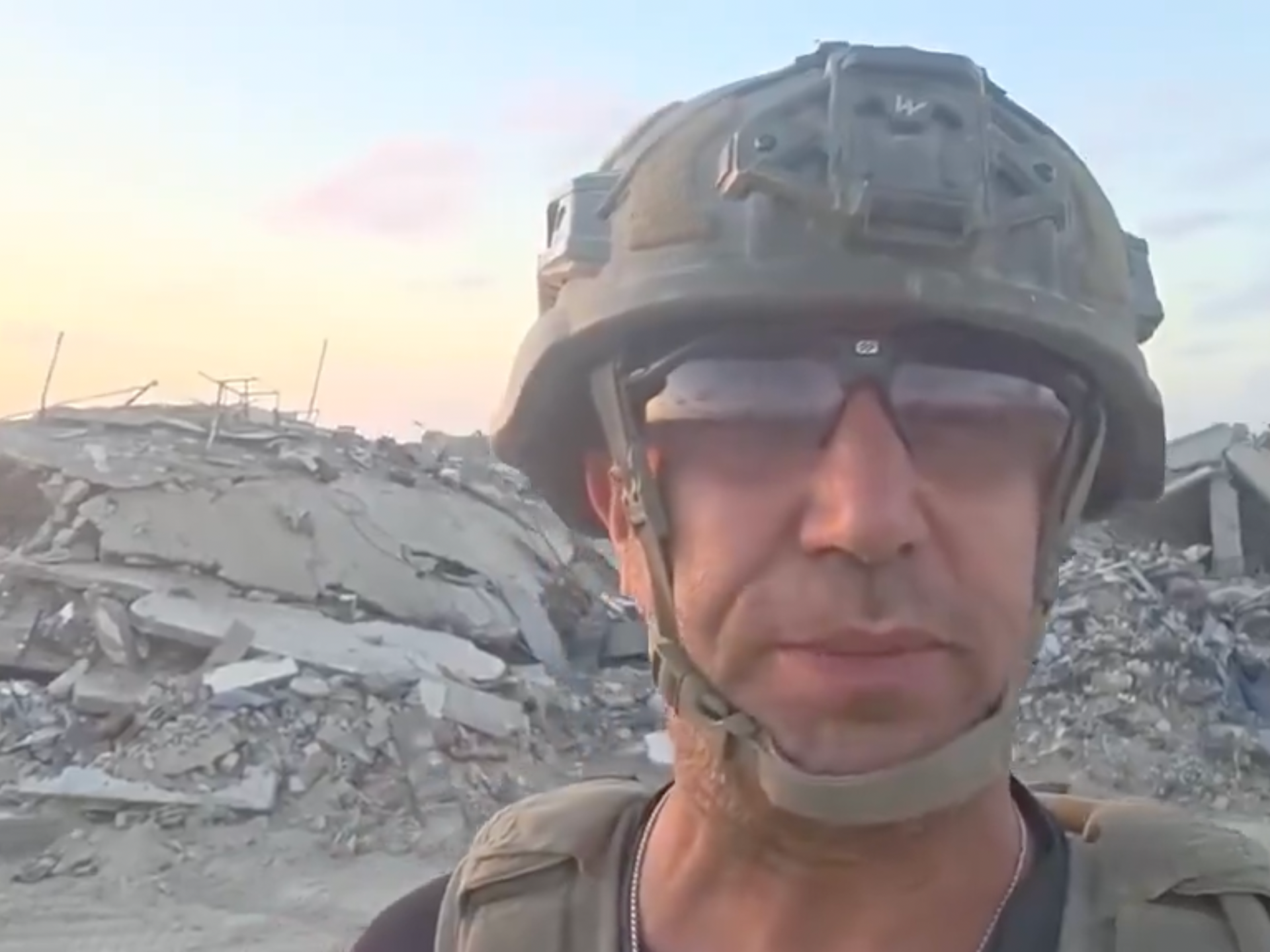
Recent visual evidence has provided striking documentation regarding the level of structural damage within the Beit Hanoon area of the Gaza Strip. Imagery circulating shows a vast expanse of what was once a densely populated community reduced to rubble. This stark depiction contrasts sharply with the area’s documented history as a substantial residential center, which once housed tens of thousands of inhabitants.
The footage suggests systematic and comprehensive demolition activities, indicating that the process of clearing the town’s built environment has been extensive. The material captured implies that residential structures have been largely dismantled, leaving little recognizable footprint of the former community infrastructure. This scale of observable destruction prompts significant discussion regarding the methods employed in the area.
Implications for Civilian Life and Settlement
The sheer scale of the damage raises serious questions about the long-term viability and habitability of the region. When a community center, like Beit Hanoon, loses the majority of its housing stock, the immediate impact extends far beyond mere property loss. It signifies a profound disruption to daily life, displacing populations and erasing established residential patterns. The degree of flattening observed suggests a concerted effort to remove structures entirely, rather than simply causing localized damage.
This widespread dismantling, even in periods where temporary truces have been in place, speaks to the nature of the ongoing military operations. Experts analyzing such scenes point to the difficulty of rebuilding or even assessing the true extent of damage when entire blocks of housing are leveled. The implication is a severe setback for any potential return to normalcy or sustained civilian habitation.
Context of Ongoing Operations and Reconstruction Challenges
The context surrounding this devastation involves complex military engagements within a highly populated area. Prior to the current phase of conflict, the town represented a significant pocket of civilian life. Official statements regarding military objectives and the humanitarian situation have often been at odds with the visual evidence of massive structural collapse. This discrepancy fuels international debate about accountability and adherence to international laws governing civilian protection during hostilities.
The narrative surrounding the destruction is twofold: it speaks to the immediate effects of active conflict, and it speaks to the challenges of reconstruction. Even when fighting subsides, the removal of thousands of homes creates a monumental logistical and political hurdle for any future rebuilding efforts. The visible state of the area underscores a massive deficit in physical capital, demanding extensive international attention and resource allocation if any recovery is to take place.
About the Author