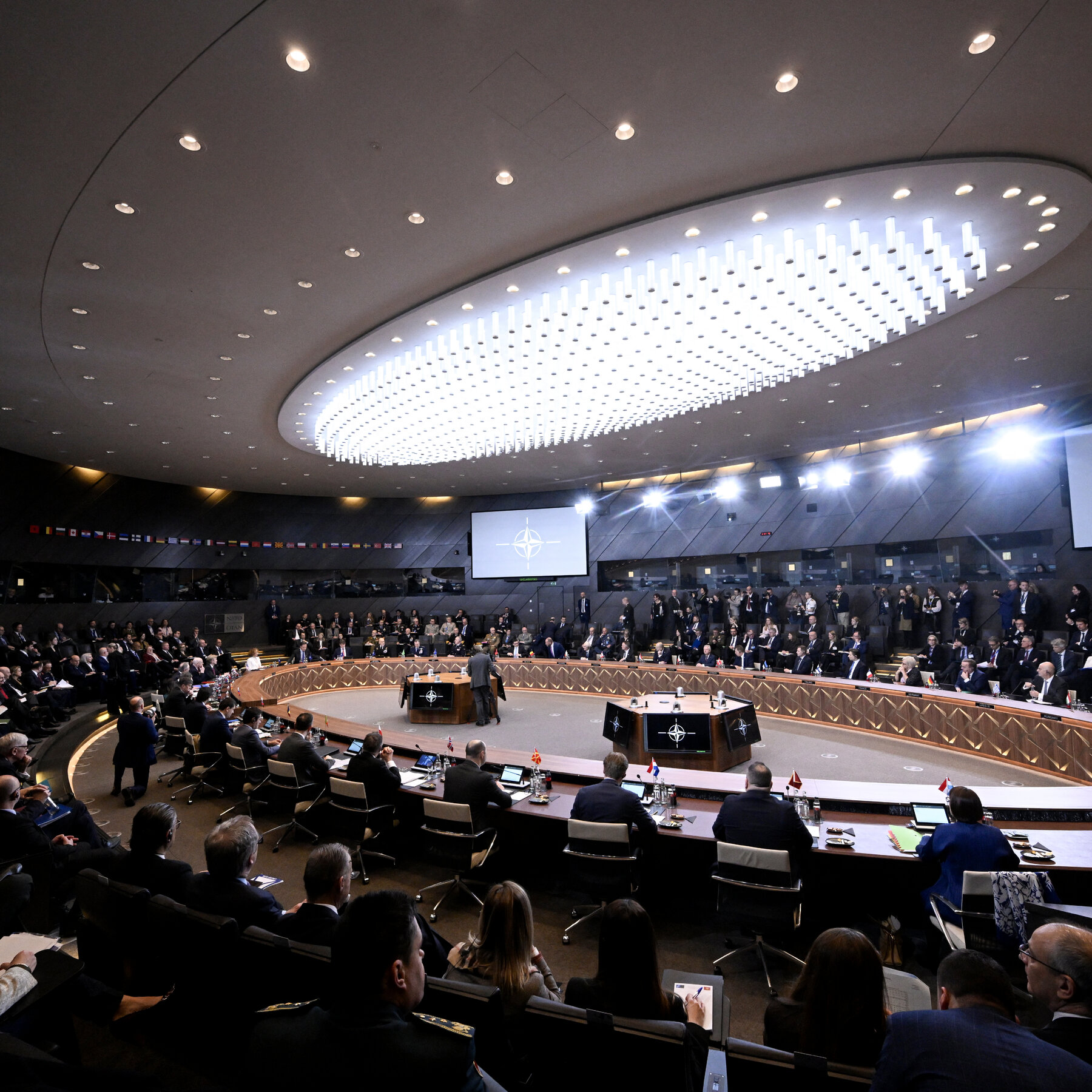
Assessing the Concept of European Mutual Defense Cooperation
The established architecture of transatlantic security, embodied by NATO, has long served as the primary guarantor of collective defense for European nations. However, the geopolitical climate continues to spur academic and political discourse regarding alternative or supplementary frameworks for European self-reliance. Central to this discussion is the concept of mutual defense obligations among European Union member states—a mechanism that speaks to a deep, inherent desire among member countries to ensure collective security without relying solely on the existing alliance structure.
While the notion of pooling security guarantees is emotionally and politically resonant within the EU context, security analysts are cautioning against viewing such internal arrangements as a direct substitute for the comprehensive military and diplomatic weight of NATO. The challenge lies in differentiating between voluntary cooperation, which can enhance regional resilience, and the deeply integrated, military-backed treaty obligations that define an established alliance system. Experts suggest that any internal European framework must operate as an enhancement to, rather than a replacement for, the existing global security framework.
This evolving dialogue highlights a fundamental tension: the desire for greater sovereignty and autonomy at the continental level juxtaposed against the practical realities of modern warfare and geopolitical threat projection. For EU members, the discussion isn’t necessarily about dismantling existing pacts, but rather about building layers of resilience—ensuring that internal mechanisms are robust enough to handle crises and security challenges in the intervening time or in conjunction with broader alliances.
What This Means: A Multifaceted Security Posture
The underlying significance of these discussions points to a strategic imperative for deeper integration of security policy across the continent. If European nations are to enhance their mutual protection capabilities, the resulting architecture cannot be purely political or advisory; it requires substantial coordination in military planning, logistics, and rapid deployment capabilities. The impact would be the development of a more cohesive, if more complex, continental security identity. This effort aims to increase the EU’s geopolitical leverage and reduce dependency on external security guarantors, thereby giving member states a greater measure of assurance regarding their mutual safety.
Background and Context: The Evolution of European Security
Historically, continental defense cooperation has evolved through various multilateral treaties and organizations. The push for stronger internal security cooperation is often intensified by shifts in global power dynamics and the increasing frequency of crises emanating from neighboring regions. Current geopolitical realities—including interstate tensions and the necessity of managing hybrid threats—underscore the need for internal alignment. Official statements and expert analyses consistently stress that while building up a unified European security structure is achievable and desirable, doing so necessitates acknowledging the specific strengths that transatlantic alliances bring, particularly in terms of interoperability and established military doctrines, which remain difficult to replicate quickly or cheaply.
Ultimately, the conversation among European policymakers reflects a careful calibration between aspiration and pragmatism. The goal is not simply to create a new defense pact, but to mature the existing institutional cooperation mechanisms so that they can effectively contribute to a stronger, more self-sufficient European continent while respecting the unique roles played by established international security partnerships.
About the Author