US Maintains Port Blockade as Diplomacy Hinges on Iran’s Maritime Cooperation
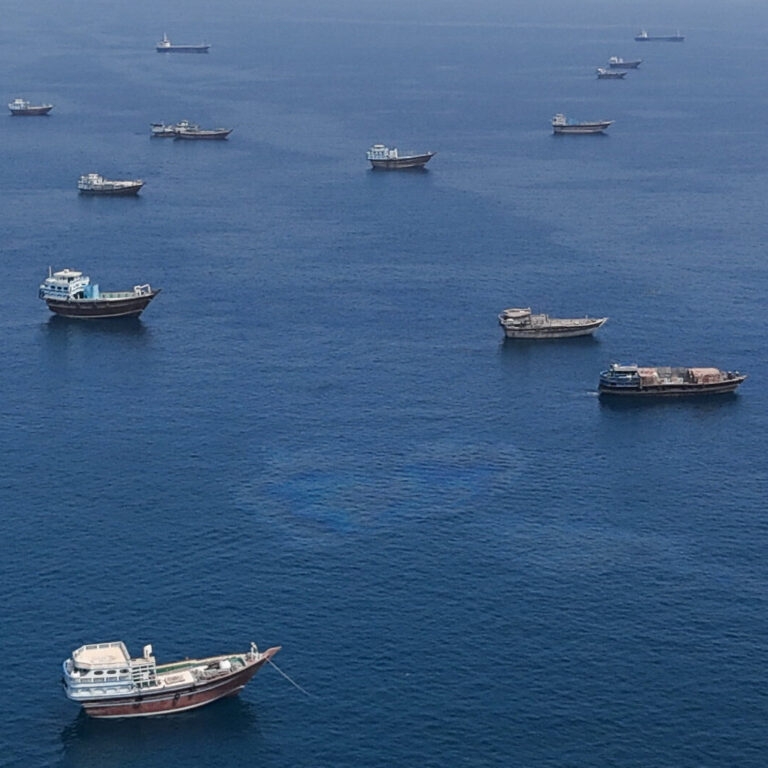
The ongoing maritime restrictions placed on Iranian ports have become a central flashpoint in current geopolitical discussions, with analysts noting that the operational status of the blockade is being treated as a non-negotiable element in any path toward de-escalation. Reports indicate that the continuation of these naval limitations is directly tied to the willingness of Tehran to engage in substantive peace negotiations. This linkage suggests that diplomatic breakthroughs will require significant, visible shifts in Iran’s external behavior, particularly concerning its maritime commerce.
Officials have emphasized that the current posture of maritime interdiction operations will persist for an indeterminate period. The assertion is that the pressure campaign, enacted through the seizure and inspection of commercial and maritime traffic, will continue until diplomatic agreements are sufficiently solidified. This signals a strategic commitment to maintaining leverage over key economic arteries as negotiators seek mutual concessions to end escalating regional tensions.
What This Means for Regional Stability
The sustained blockade carries profound implications for the economies reliant on Iranian maritime trade. By keeping these channels restricted, external powers maintain significant leverage, compelling Tehran to prioritize diplomatic accommodations. For international shippers and trading partners, the situation creates substantial uncertainty, forcing companies to reroute significant volumes of cargo and reassess supply chain vulnerabilities across the Persian Gulf and the wider Arabian Sea. The rigidity of the stated policy suggests that diplomatic efforts will continue to be framed around performance metrics, where compliance with restrictions is weighed heavily alongside dialogue progress.
Historical Context of US Maritime Interdiction
The enforcement of these restrictions is understood within the context of previous U.S. policy actions targeting the region’s shipping lanes. The interception of various vessels, including a specific reported count of several dozen ships, represents a methodical application of naval authority designed to curb specific activities. These enforcement actions underscore a stated policy goal: to diminish the capacity for hostile or destabilizing maritime movements emanating from Iranian ports. Such sustained enforcement demonstrates a sustained focus on maintaining regional freedom of navigation while simultaneously pressuring the Iranian regime to alter its regional posture.
About the Author