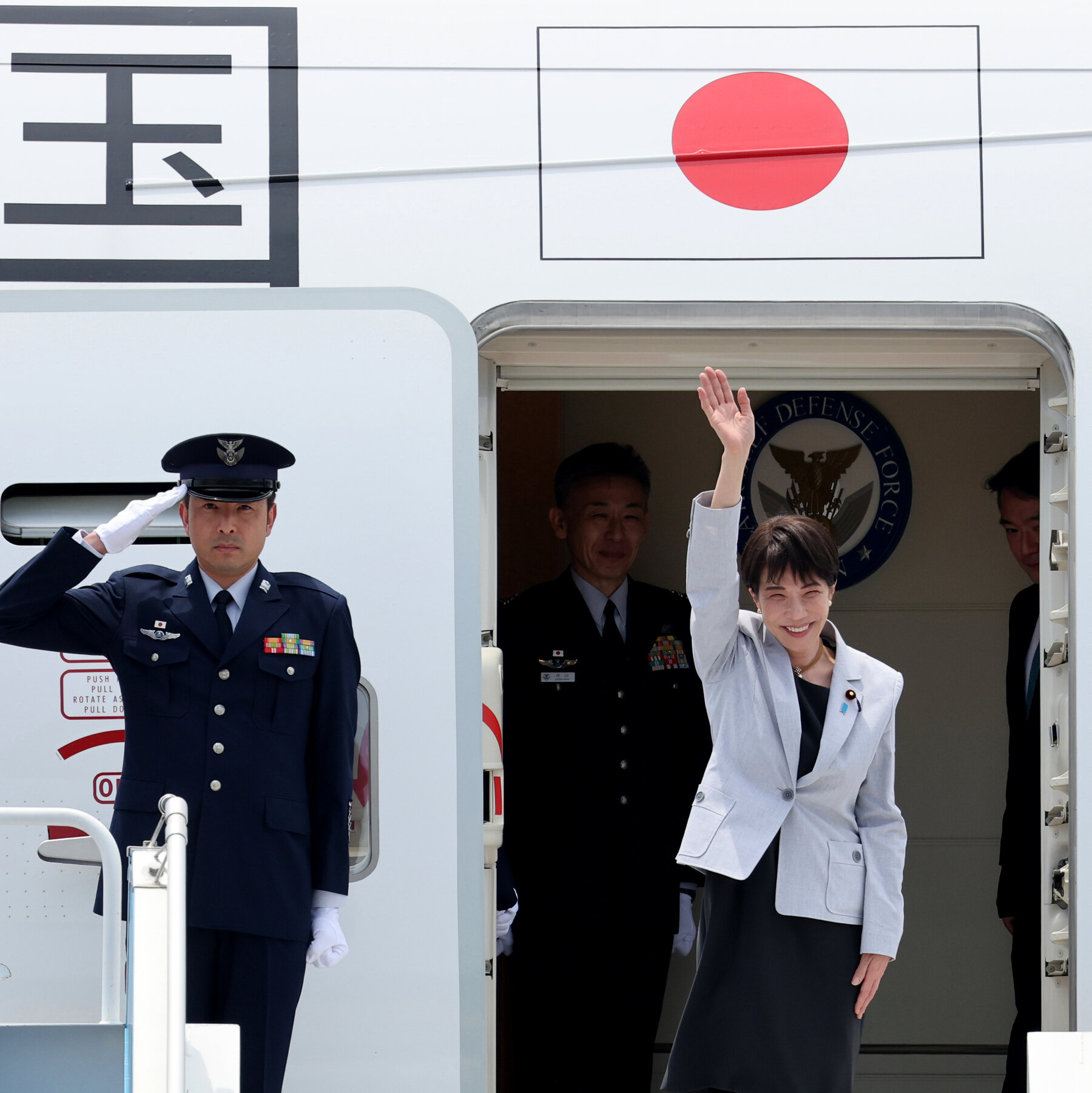
Diplomacy Beyond Grievances: Leaders Chart Path for Enhanced Korea-Japan Relations
The planned high-level discussions between the leaders of South Korea and Japan signal a potential turning point in the complex bilateral relationship between the two nations. By prioritizing face-to-face talks, both countries appear committed to establishing a forward-looking agenda that moves beyond decades of historical disputes. This renewed diplomatic focus suggests a mutual recognition that shared economic opportunities and regional stability necessitate cooperation despite past tensions.
Observers have noted that the willingness of current leaders to engage directly is notable, given the deep-seated historical sensitivities that have long characterized the dialogue. The anticipation surrounding these meetings revolves around establishing practical frameworks for partnership, focusing more on tangible areas of mutual benefit rather than dwelling on past conflicts. Such gestures represent a significant pivot in the regional geopolitical landscape.
What This Means for East Asia
The successful navigation of these discussions could unlock substantial potential for regional stability and economic integration. For the broader Asia-Pacific region, improved diplomatic ties between South Korea and Japan are critical, as the two nations are major economic powers. Increased collaboration could bolster supply chains, encourage joint investment in emerging technologies, and create a more unified front on international issues, such as trade agreements and maritime security.
Furthermore, setting aside historical disagreements in favor of joint policy formulation could set a precedent for other nations managing fraught international relationships. The emphasis shifts from assigning blame to constructing shared futures, which is a key takeaway for global diplomacy.
Context of the Deepening Partnership
Historically, the relationship has been marked by periods of intense cooperation followed by sharp downturns due to unresolved historical matters. The foundation for any new phase of engagement must build credibility through tangible outcomes. Experts suggest that for this momentum to continue, the dialogue must translate into concrete agreements across multiple sectors—be it scientific research, advanced manufacturing, or cultural exchange. Merely meeting is an initial step; the sustained commitment to work together is what will define the long-term trajectory.
The current climate suggests a pragmatic realization that both nations share deep interdependence. Moving forward, the focus will likely need to be on establishing robust communication channels at working levels, ensuring that high-level political goodwill is consistently supported by detailed, actionable plans from government ministries and private industries alike.
About the Author




