Environmental Crisis: Oil Spill Contaminates Sensitive Wildlife Habitat in Persian Gulf
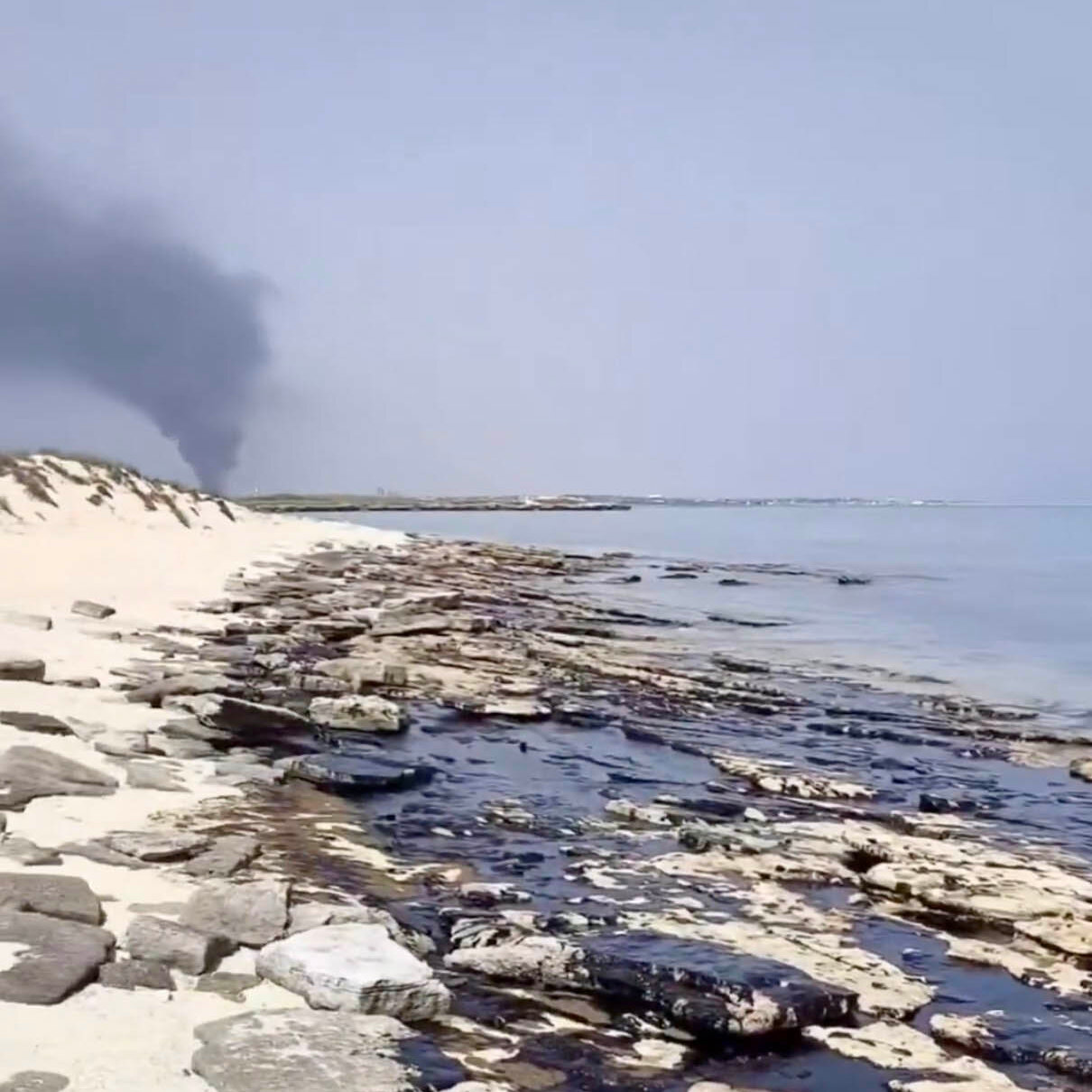
Reports have surfaced detailing a severe environmental contamination event impacting a delicate natural area within the Persian Gulf. Footage circulating in the public domain shows wildlife struggling amidst accumulations of crude oil, specifically affecting an island designated as a protected wildlife sanctuary. The visible impact is alarming, with numerous instances of marine and avian life appearing trapped or coated in thick slicks of tar.
The affected area, described as possessing pristine attributes—including clear, turquoise waters and stretches of white sand—is now grappling with the physical evidence of hydrocarbon pollution. This immediate crisis highlights the vulnerability of critical ecosystems to industrial accidents. The presence of numerous vulnerable species, including turtles, various birdlife, and crabs, caught in the oil residue underscores the profound threat posed by the slick to the local biodiversity.
The Implications for Marine Ecology
The immediate danger illustrated by the situation goes far beyond surface contamination. Oil spills act as a multifaceted toxin, impacting not just the visible wildlife but the entire interconnected marine food web. For species like sea turtles, physical entanglement and ingestion of toxic compounds can lead to severe health complications or mortality. For coastal bird populations, the oil destroys the insulating properties of their feathers, leading to hypothermia, while also rendering them incapable of flight or foraging.
Official environmental concerns center on the cumulative damage. Beyond the surface layer, oil can seep into sensitive marshlands and coral reef systems, areas crucial for breeding and feeding for many local creatures. The cleanup effort, if initiated, must contend not only with removing the visible tar but also with mitigating the subsurface chemical residues that persist long after the initial cleanup phase.
Understanding Coastal Vulnerabilities
Coastal regions like the one described are biodiversity hotspots precisely because they support a mixture of terrestrial, freshwater, and marine life in close proximity. This inherent ecological richness makes them highly susceptible to pollution incidents. The existence of protected zones underscores the scientific and conservation value of these habitats, making their contamination an ecological setback of significant magnitude.
Experts monitoring such incidents typically focus on containment strategies first, to prevent the advancing spread of the pollutant into more pristine areas. Following containment, the focus shifts to remediation, which involves specialized techniques to manage the oil—whether through physical recovery methods or bioremediation, utilizing natural processes to break down the hydrocarbons. The scope of the challenge is immense, demanding coordinated international efforts to restore the natural balance to such valuable ecosystems.
About the Author