Increased Military Aid Signaling Strategic Focus in the Middle East
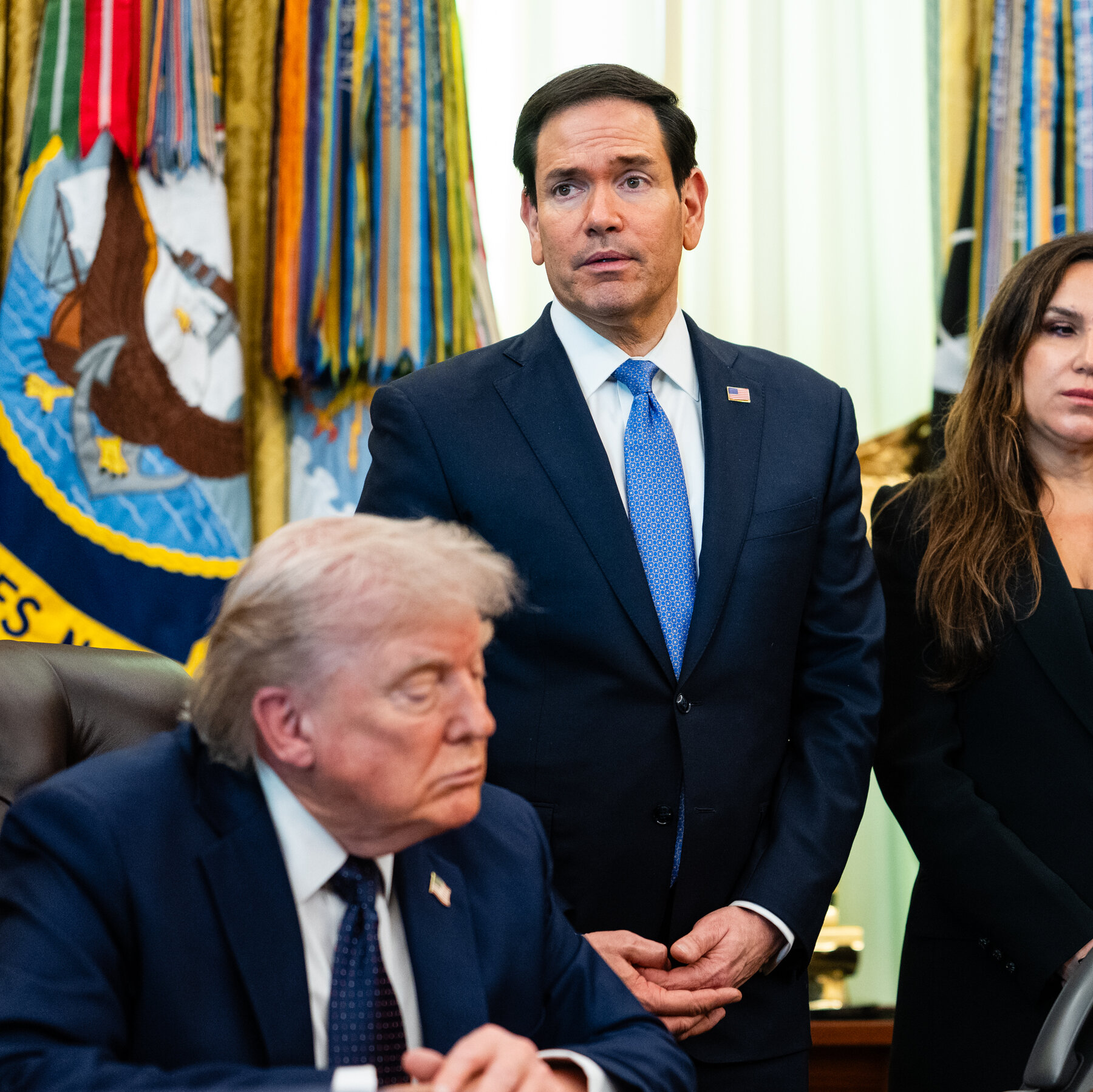
The United States government has moved to rapidly finalize a series of significant defense agreements, amounting to an estimated $8.6 billion. These accelerated arms sales are primarily directed toward key partners situated within the Persian Gulf region and Israel. The swift authorization of this substantial weaponry package signals a pronounced and proactive commitment to bolstering the military capabilities of these allies in the face of escalating regional tensions.
What makes this recent action particularly noteworthy is the mechanism by which it was implemented. Sources indicate that the approval process for these large-scale deals circumvented the usual period of detailed review by members of Congress. This decision suggests a high level of executive prioritization regarding the immediate security needs perceived within the volatile geopolitical landscape of the Middle East.
The Geopolitical Implications of Expedited Defense Buys
This substantial infusion of advanced military equipment underscores a clear strategic pivot. By fast-tracking these transactions, Washington appears to be positioning its allies to enhance their defensive posture against recurring threats. The context for this heightened readiness is the persistent and documented level of hostile action emanating from Iran against multiple regional partners, including key nations in the Gulf Cooperation Council and Israel.
The sheer value of the finalized sales suggests that the U.S. views its continued security relationship with these partners as a critical component of its broader regional strategy. These agreements are designed not only to supply modern hardware but also to solidify a cooperative defense architecture across the allied nations.
Understanding the Circumvention of Review
The decision to proceed without the customary Congressional vetting process raises questions about the scope and nature of executive authority being exercised. Normally, such large-scale transfers of weaponry require rigorous legislative scrutiny to ensure alignment with national policy objectives and budgetary constraints. When these normal procedures are bypassed, it implies that the administration judges the immediate security imperative to outweigh the standard deliberative process.
For analysts observing the transaction, the speed of the process suggests an urgency driven by perceived instability. The consistent pattern of regional destabilization, highlighted by ongoing engagements between regional powers and Iran, appears to be the primary catalyst for this streamlined approval path. It paints a picture of a nation responding rapidly to what it deems an immediate and escalating threat level.
Contextualizing U.S. Military Commitments
Historically, the United States has maintained complex and evolving security partnerships across the Middle East. These defense arrangements are multilayered, encompassing intelligence sharing, training exercises, and direct sales of materiel. The current acceleration of sales can be viewed as an intensification of these established patterns, adapting the playbook to a more volatile operational environment. The goal, according to official statements, is to provide the partners with the means to deter further aggression and maintain crucial trade and energy routes in the region.
In essence, the rapid commitment of nearly $9 billion in military aid to key allies in the Gulf and Israel highlights a concentrated effort to reinforce security partnerships amid escalating regional hostility.
About the Author