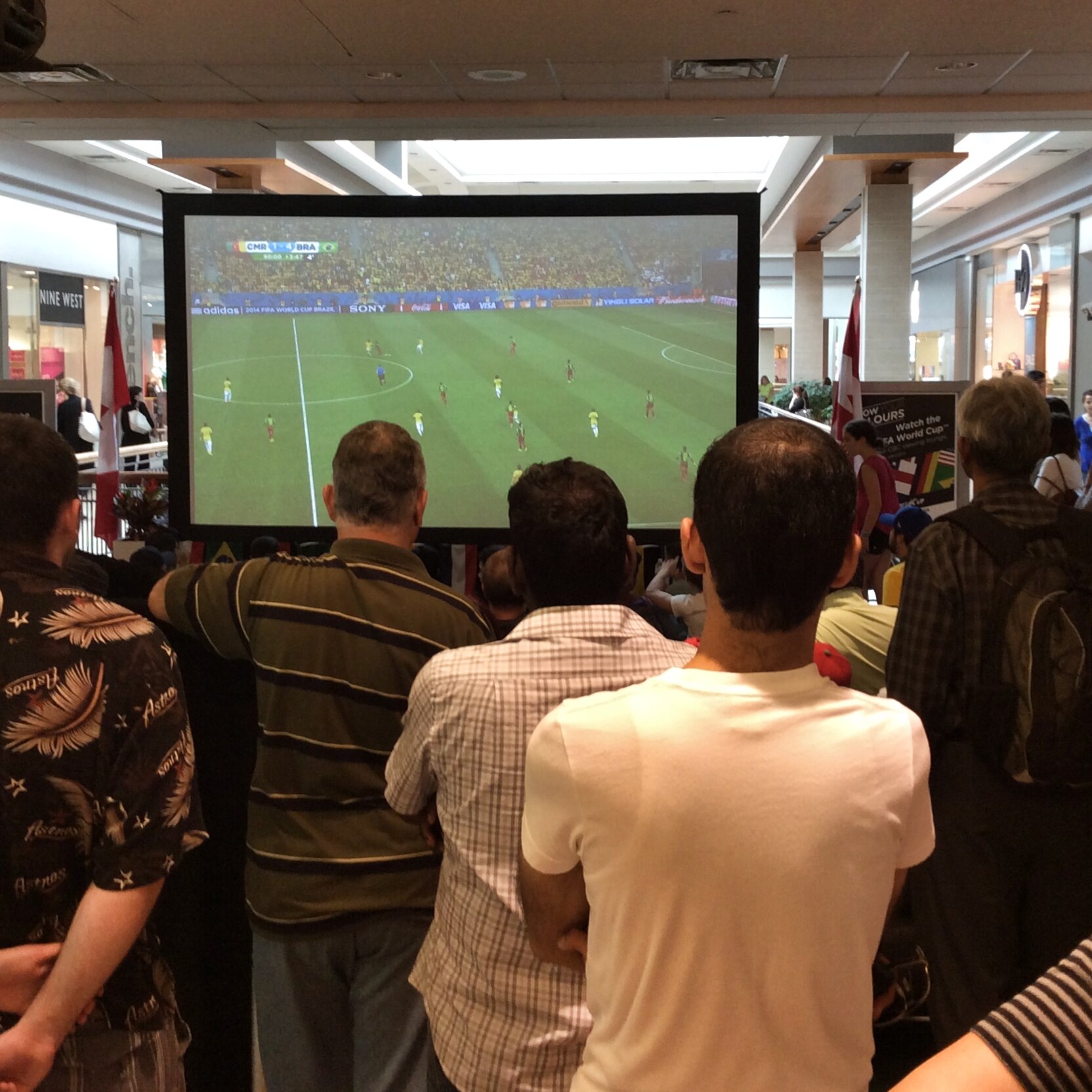
Cultural Celebration Meets Legal Concern: The Risks of Hosting Major Sporting Viewings
As major global sporting events approach, the enthusiasm for communal viewing parties tends to soar. However, this popular tradition is increasingly encountering legal headwinds. Bars, venues, and organizers planning to host large-scale watch parties for events like the World Cup must navigate a complex web of intellectual property rights. The core issue revolves around the ownership and commercial exploitation of the tournament’s branding and name.
Merchandising and promotional activities tied directly to the official designation of a major tournament are subject to strict intellectual property protections. For commercial establishments, this means that simply advertising a gathering under the direct banner of a global championship carries potential legal jeopardy. Organizers are therefore spending considerable time understanding the boundaries between legitimate fan celebration and copyright infringement.
Implications for Event Organizers and Venues
The necessity of adhering to complex international intellectual property laws means that simple advertising—such as putting up signage mentioning the tournament’s name—can become a point of contention. Businesses that wish to capitalize on the massive cultural momentum generated by such events are advised to proceed with extreme caution. Official bodies and governing organizations maintain strict oversight over how their intellectual property is used in connection with global competitions.
The implications extend beyond just signage. Any promotional material, ticketing structure, or on-site branding that incorporates the official tournament iconography or name must be meticulously vetted. For venue owners and nightlife operators, the initial enthusiasm must be tempered by a thorough understanding of trademark and copyright law to ensure their event remains legally sound and financially viable.
Context of Global Sports Branding
The protection of major sports tournaments is a global industry standard. These governing bodies invest enormous amounts of capital into marketing, broadcasting, and creating the associated brand experience. Consequently, the intellectual property associated with the event—the visual assets, the name, and the timing—are treated as valuable commercial commodities. This level of protection is designed to maintain brand exclusivity and control over how the global narrative of the event is presented to the public.
For the consumer, the goal remains the same: to gather with friends and celebrate sporting excellence. However, the venue providing the service must now operate not only as an entertainment hub but also as a compliance officer, ensuring that every aspect of their marketing and operation respects the rights holders of the colossal event they aim to showcase.
About the Author