Central Banks Navigate Volatile Economic Landscape Amid Energy Cost Pressures
Major global financial institutions, including the Bank of England and the European Central Bank, recently maintained their current interest rate levels. This decision signals a cautious approach by policymakers who are closely assessing the persistent headwinds facing the global economy. Rather than making immediate adjustments to borrowing costs, central bankers appear intent on gathering more comprehensive data to understand the depth and duration of current economic stresses.
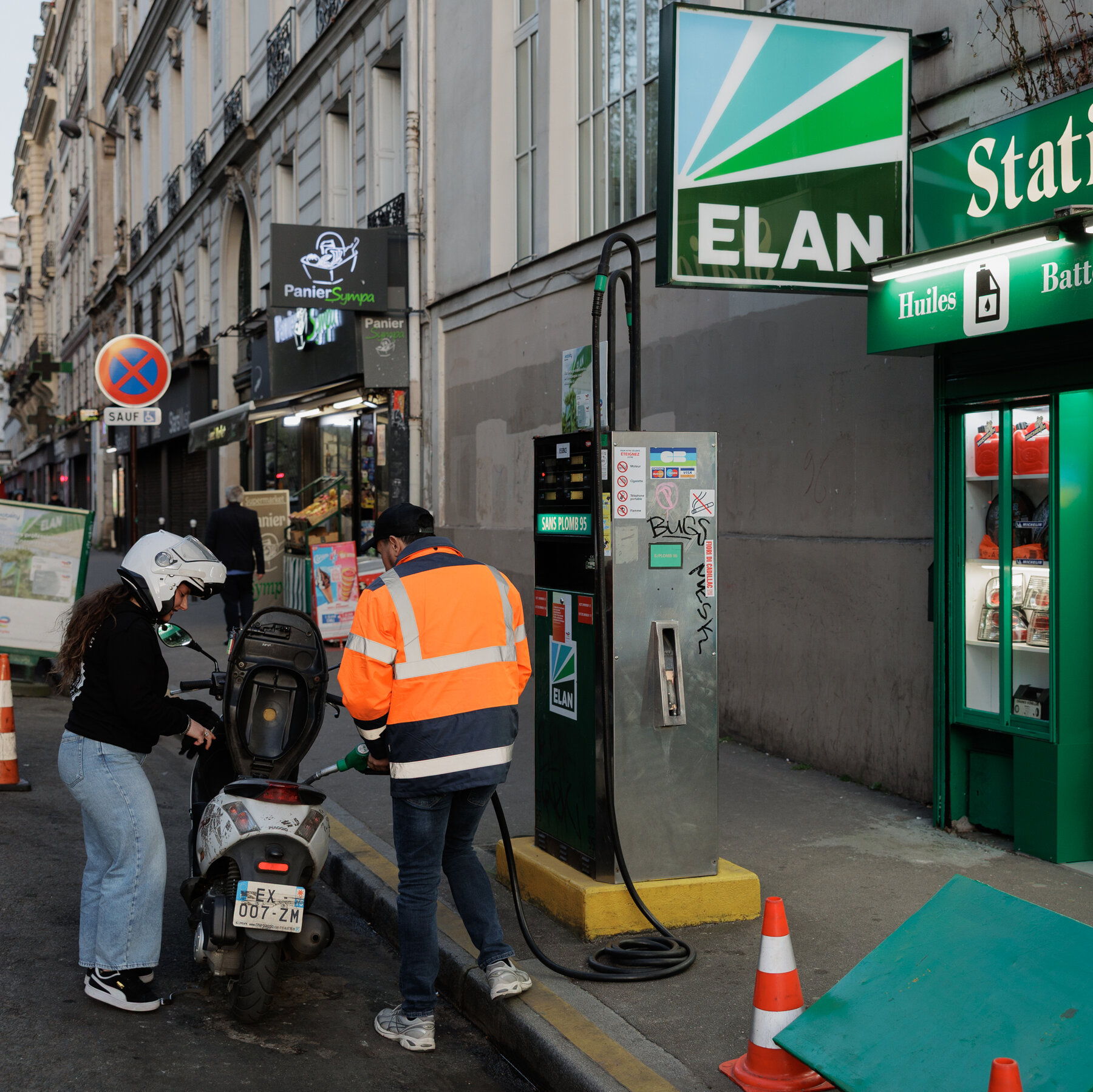
A primary concern dominating the discussions among economic leaders is the ongoing volatility within global energy markets. Elevated and unpredictable fuel costs represent a significant drag on industrial output and consumer spending worldwide. Consequently, policymakers are grappling with the difficult balancing act of supporting economic stability while managing the inflationary pressures that energy shocks inevitably trigger. The challenge requires a nuanced policy response, as aggressive rate changes could risk tipping the economy into a deeper downturn.
Instead of making dramatic moves with interest rates, the current posture suggests a period of watchful waiting. Officials are scrutinizing incoming economic indicators to detect any signs of structural damage to supply chains or long-term weakening in consumer demand. This methodical evaluation process is crucial because the sources of inflationary pressure are multifaceted, making a simple, uniform policy fix inadequate for the complexity of the current environment.
What This Means: Policymakers’ Dilemma
The decision to hold rates steady underscores the delicate position central banks occupy. They are essentially managing expectations while monitoring inflation stemming from outside sources, such as commodity price spikes. If inflation proves to be entrenched due to energy costs, central banks face a difficult trade-off: hiking rates too much risks stifling growth and sparking a recession, while keeping rates too low risks allowing inflation to become embedded in the public’s wage expectations, leading to a more persistent cost-of-living crisis. The current policy choice prioritizes stability over preemptive action, betting that time and data will reveal the most appropriate path forward.
Background and Economic Context
The current economic climate has been characterized by several interlocking issues. Beyond the immediate impact of fluctuating energy prices, economies are navigating the aftermath of various geopolitical disruptions, which have frayed established supply chains. These supply constraints mean that even if energy costs moderate, the physical ability to produce and move goods remains fragile. Furthermore, consumers and businesses alike are adjusting to a reality where the cost of essential inputs—from gasoline to manufacturing metals—is significantly elevated. Official statements indicate that the focus has shifted from cyclical downturn risks to structural vulnerabilities. Policymakers are therefore adopting a more measured, data-dependent stance to ensure that any policy intervention is targeted and has the highest probability of achieving a sustainable return to price stability without triggering undue economic contraction.
About the Author