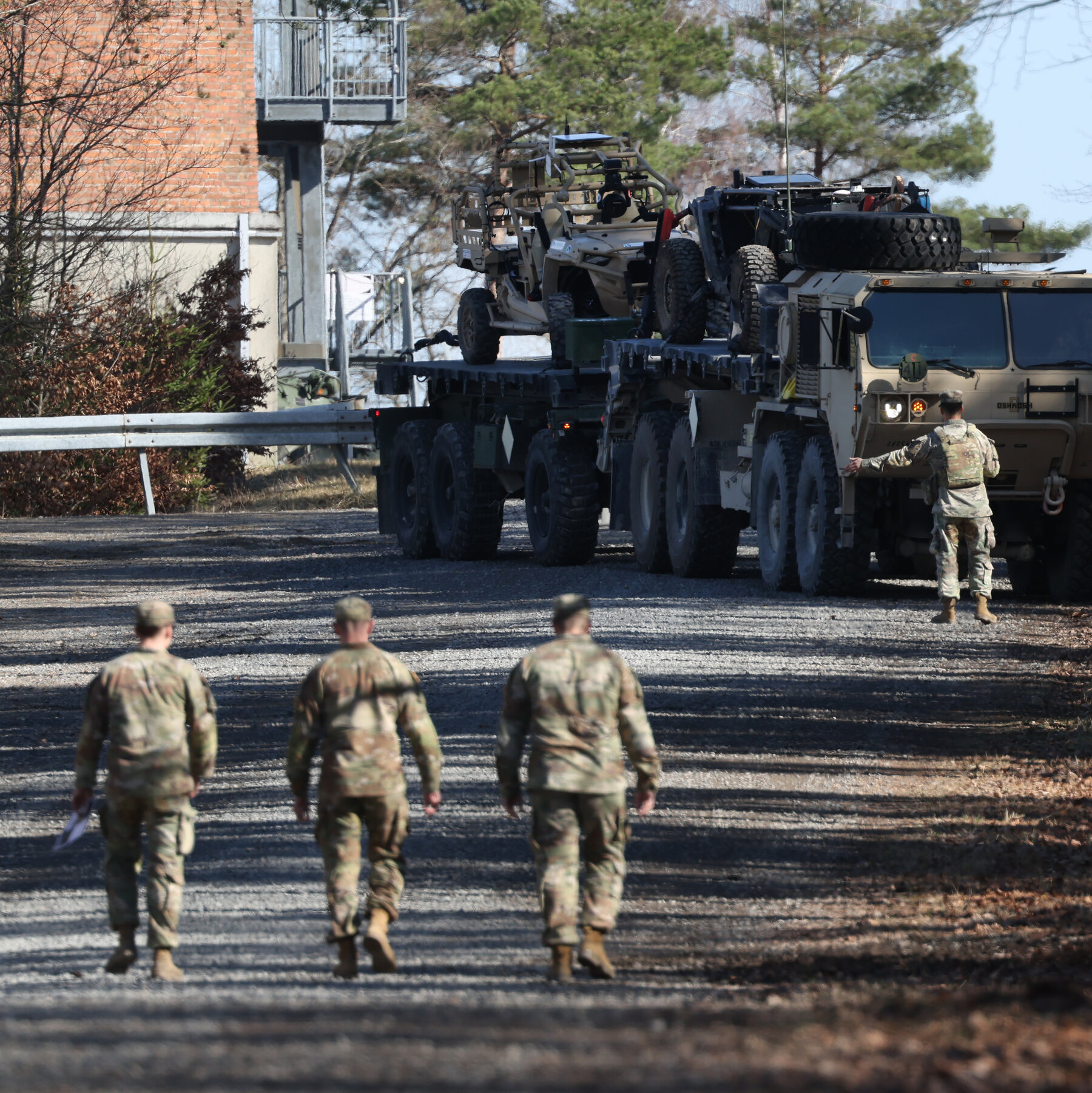
The discussion surrounding the potential withdrawal of U.S. military forces from key allied nations, such as Germany, often generates significant geopolitical alarm. However, a closer examination of current European defense strategies reveals a more nuanced and evolving security landscape. Instead of painting a picture of immediate vulnerability, the recent actions taken by European partners suggest a growing self-sufficiency that fundamentally alters the dynamic of traditional bilateral defense agreements.
The narrative suggesting a sudden vacuum of American military support overlooks a significant trend: substantial and deliberate increases in defense expenditure across the continent. Major European economies are actively recalibrating their defense postures, prioritizing national security objectives and reducing reliance on external guarantors. This comprehensive rebuilding effort signals a maturing of European strategic autonomy, making the historical dependency on the United States less pronounced than previously assumed.
What This Means: A Pivot Toward Strategic Autonomy
This enhanced European military footing carries considerable implications for established international alliances. When nations actively invest heavily in modernizing their armed forces and bolstering their defense industrial base, their negotiating position strengthens considerably. The ability of a major European power to enhance its own military capabilities lessens the perceived necessity of continuous, large-scale American operational involvement. This shift means that any future U.S. policy decisions regarding troop presence must now factor in a more robust and capable regional defender bloc.
Furthermore, international engagements are adding new layers of complexity to the political calculus. Specific recent international actions, such as stated support for certain regional disputes, appear to be granting participating nations enhanced diplomatic leverage. These collective foreign policy stances allow European capitals to assert greater agency in global affairs, suggesting that military posture is now intrinsically linked to broader political alignment and mutual benefit.
Contextualizing the Defense Build-Up
The commitment to increased spending reflects a broader acknowledgment among European leaders of the current multipolar security environment. The geopolitical landscape has shifted away from a purely transatlantic model, compelling nations to look more acutely at their own immediate security needs and regional stability. Defense modernization is no longer viewed merely as a response to external threats, but as a fundamental component of economic stability and sovereign policy-making.
In essence, while the specter of troop withdrawal remains a powerful headline, the underlying reality shows a commitment to self-reliance. European powers are building military capacity alongside diplomatic muscle, ensuring that their strategic decisions are increasingly weighted by their own robust, self-generated deterrent capabilities, thus recalibrating the terms of partnership with global allies.
About the Author