Civil Unrest and Fatal Shootings Erupt in Kenya Amid Resistance to US Health Initiative
Tensions escalated into deadly violence in Nanyuki, a central Kenyan town, following demonstrations against the planned establishment of a U.S. Ebola isolation facility. The unrest centered on a military base in the area, sparking clashes between protesters and security forces. Reports indicate that two individuals sustained fatal gunshot wounds during the ensuing confrontations, raising significant questions about the circumstances surrounding their deaths.
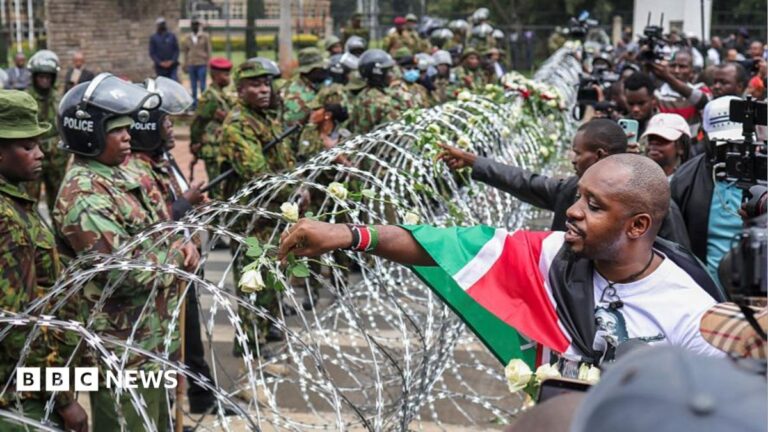
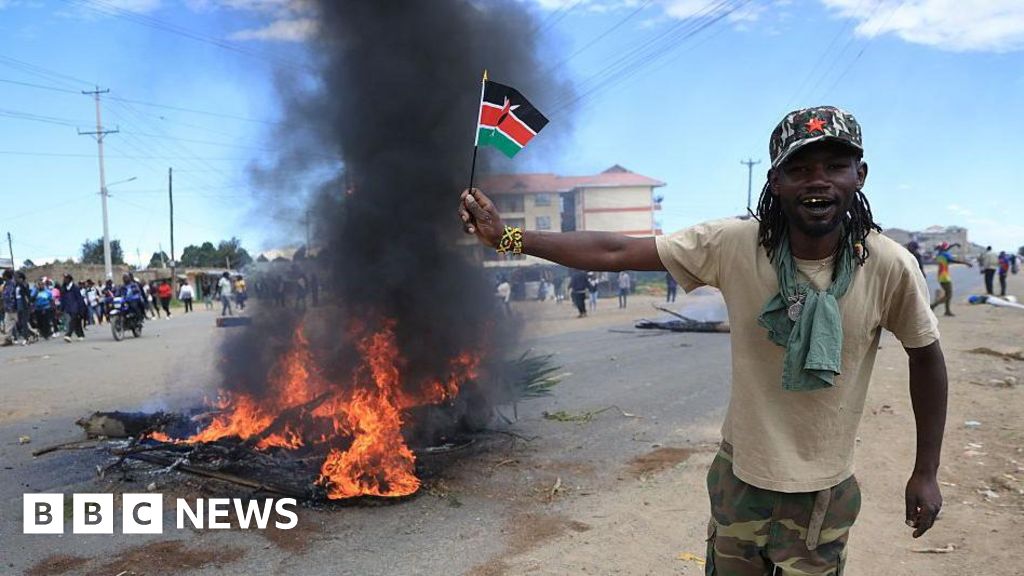
The protests saw large crowds take to the streets, leading to significant disruption, including the blocking of major thoroughfares and the burning of tires. Security forces responded by deploying tear gas to manage the demonstration. The alleged gunfire occurred in an area near the Laikipia Airbase, adding a layer of military tension to the public outcry against the proposed biosecurity measure.
Impact and Community Response
The immediate aftermath was marked by a heavy security presence as authorities maintained order. For the families of the deceased, the incident has fueled suspicion regarding the official accounts of the violence. One victim’s family stated that he was an uninvolved resident simply going about his routine activities when he was targeted. These accounts suggest the fatal shootings may have occurred outside the scope of the main protest activities.
The public concern fueling the unrest is rooted in the proposed U.S. health infrastructure. The potential site for the Ebola treatment facility has triggered widespread anxieties within the community regarding the risks of disease transmission, especially across international borders. This resistance highlights a deep local apprehension about the external imposition of such significant public health measures.
Contextual Background
Such large-scale public dissent often emerges when communities feel their autonomy or safety are threatened by external interventions. In this instance, the controversy surrounding the Ebola quarantine center has galvanized local opposition. The initial unrest involved blockades and confrontational tactics against authorities, which in turn led to the deployment of crowd control measures like tear gas. The conflicting narratives surrounding the shoot-outs underscore a breakdown in communication and trust between local residents and the authorities tasked with managing the crisis.
The contrasting accounts—ranging from official statements claiming an lack of awareness of deaths to family members describing unprovoked violence against civilians—have intensified the need for transparency. The focus now remains on understanding the verifiable sequence of events and accountability for the casualties sustained during the civil disturbance.
About the Author