Assessing Daily Life in Tel Aviv After Geopolitical Tensions
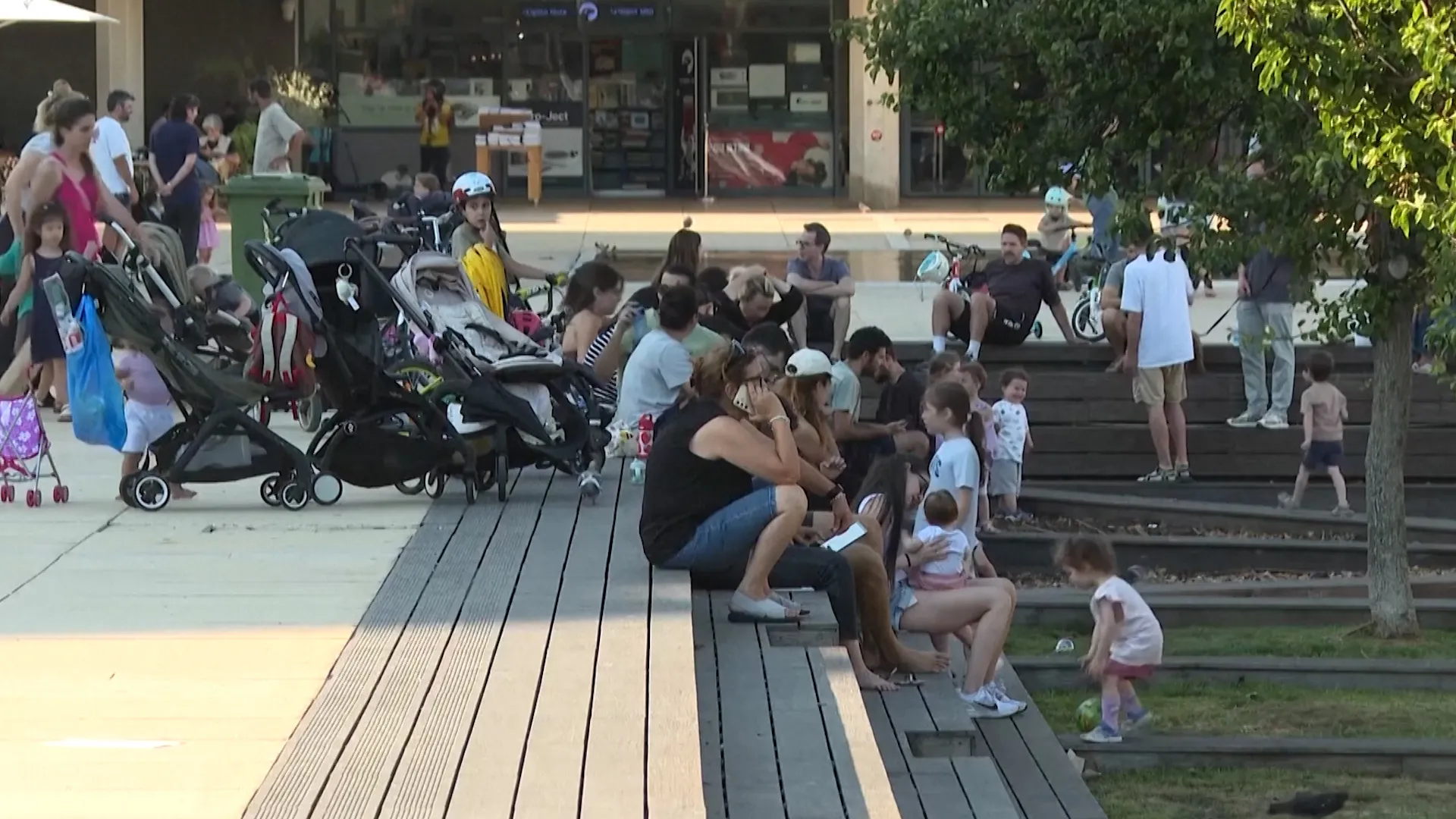
Amid heightened military confrontations between Israel and Iran, residents in Tel Aviv displayed a spectrum of emotional and practical responses. As exchanges of missiles and other weaponry concluded, the immediate aftermath saw the city grapple with the return to normalcy amidst significant instability. The reactions among the general populace reflected a deep division: some expressed a desire for a robust, forceful reply to the actions of Iran, advocating for a more assertive stance on national security. Conversely, a notable segment of the community voiced a sense of depletion, suggesting that the repeated cycle of conflict was eroding the quality of life and economic stability of the region.
This mixed response highlights a complex tension between nationalistic fervor and the tangible toll of sustained conflict on civilian existence. For many daily commuters, parents, and small business owners, the immediate concerns centered on the disruptions to routine life. Issues ranging from the temporary closure of educational facilities to the disruption of tourism revenue underscored a sense of faltering momentum—a sentiment encapsulated by the feeling that the community was experiencing losses rather than gaining strategic victories.
What This Means: The Strain of Protracted Conflict
The public sentiment captured in Tel Aviv points to a critical juncture where the cost of ongoing geopolitical conflict begins to outweigh the perceived benefits of military escalation. When daily life—the ability to send children to school, maintain businesses, and rely on consistent civil infrastructure—is interrupted, the narrative of national resilience becomes challenged by the reality of lived hardship. This signals a growing public appetite for de-escalation or, at minimum, a rapid return to civil predictability, regardless of the underlying diplomatic or military disagreements.
Background and Context: The Civilian Perspective in Conflict Zones
Historically, periods of high-level military confrontation tend to galvanize immediate support for decisive military action. However, sustained instability tests the psychological and economic fabric of civilian populations. The pattern observed suggests that for the average resident, the cumulative impact of unpredictable strikes—the uncertainty, the resource diversion, and the economic downtime—forms a more pressing reality than the headlines detailing military exchanges. Official statements indicate that the primary concern for the populace is securing a stable routine, emphasizing that the continuation of civil normalcy is paramount to the community’s overall well-being.
About the Author