Analyzing the Tipping Point: Scientific Consensus Points to Imminent Environmental Threat for New Orleans
Recent comprehensive scientific modeling has painted a stark picture for the future of New Orleans and the surrounding low-lying regions of Louisiana. The findings suggest that the area faces an accelerating environmental crisis, driven primarily by the confluence of rising sea levels and severe wetland degradation. Experts reviewing these analyses argue that the city has passed a critical threshold—a point beyond which current defense and adaptation strategies may prove insufficient.
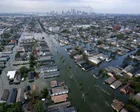
The implications of sustained sea-level rise are profound, suggesting that vast tracts of the cultural and geographic area could become inundated by the Gulf of Mexico within the coming decades, potentially by the end of this century. This projected timeline necessitates an immediate shift in planning focus, moving from reactive defense measures to proactive, large-scale consideration of human and infrastructure relocation. The findings underscore a deep concern among researchers regarding the pace and severity of ecological changes taking place in the Gulf Coast region.
What This Means: A Necessary Shift to Managed Retreat
The core takeaway from these studies is the urgent necessity of initiating comprehensive regional planning for managed retreat. This concept implies that rather than attempting to hold back the encroaching waters indefinitely, a methodical, staged process of moving populations and critical assets inland must be considered. The findings suggest that the current rate of environmental change outpaces the engineering capabilities and available resources to maintain the status quo. For the region to safeguard its residents and cultural heritage, strategic decisions regarding resettlement, infrastructure hardening, and land use planning must begin without delay.
Context and Contributing Factors
The vulnerability of the region is compounded by the natural dynamics of the Mississippi River delta system. Historically, these areas were shaped by sediment deposition and gradual changes in hydrology. However, contemporary environmental pressures—including ongoing sea-level rise attributed to global climate shifts and significant losses of natural wetland buffer zones—are accelerating the rate of inundation. The degradation of coastal wetlands, which traditionally served as natural storm barriers and sediment sinks, exacerbates the impact of rising ocean levels.
Scientists are focusing their attention on the intersection of these factors, determining that the cumulative impact is greater than the sum of its parts. The projections serve as a serious warning that if adaptation efforts do not dramatically scale up and incorporate the reality of permanent environmental shifts, the habitability and geographical footprint of the region will face unprecedented challenges within a limited timeframe. Therefore, the report compels policymakers to treat the issue not merely as a flood risk, but as a fundamental challenge to regional habitation.
About the Author