Concerns Mount Over Conditions at Immigration Detention Centers Following Protest Action
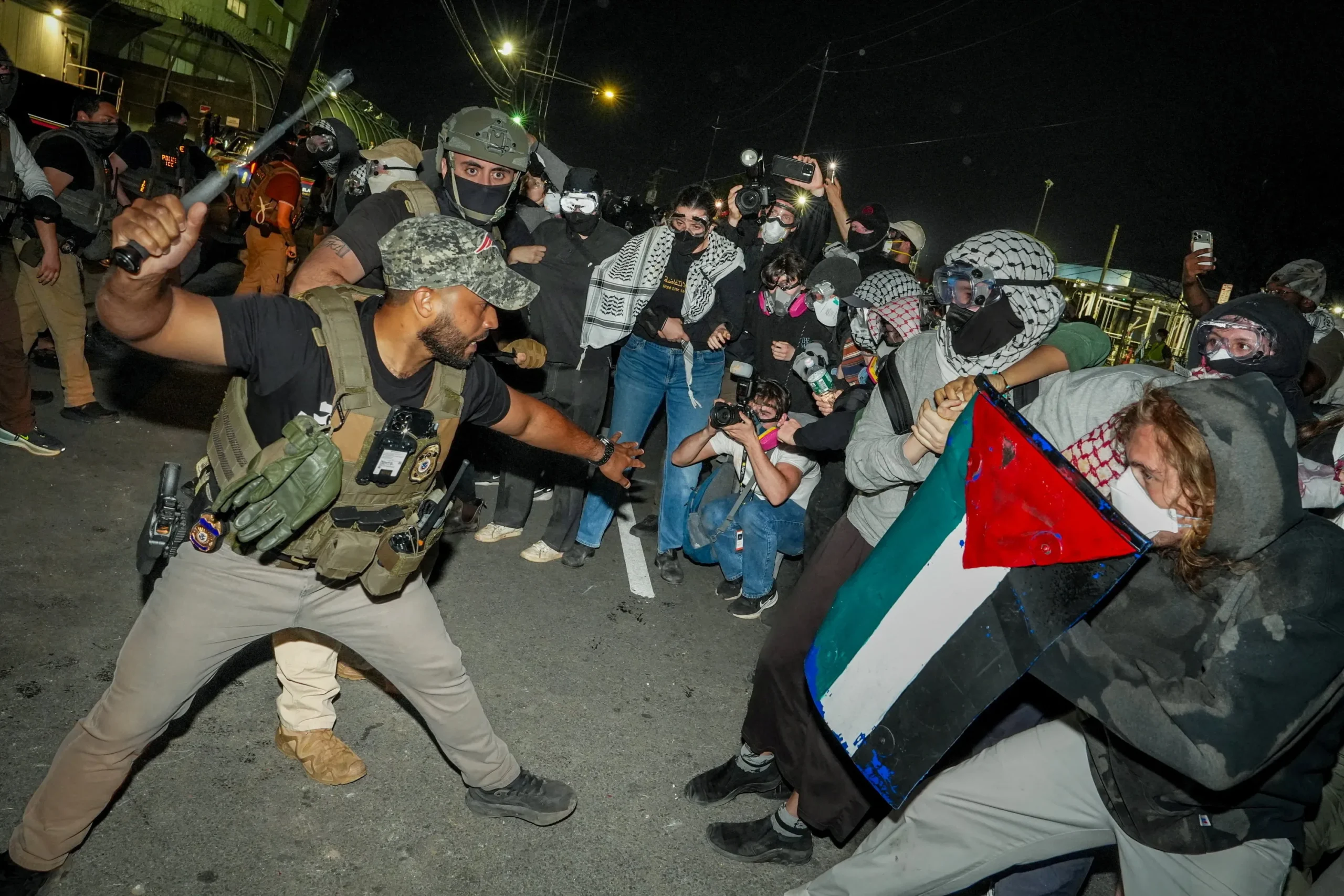
Recent demonstrations and actions taking place outside an immigrant detention facility in the United States have intensified public scrutiny regarding the living conditions within the country’s network of immigration holding centers. The events have brought focus to the general welfare and treatment of individuals detained while their immigration status is being assessed or while awaiting removal proceedings. The visible unrest suggests deep-seated dissatisfaction among the detainees and their advocates regarding the current institutional practices.
The immediate catalyst for heightened attention appears to be an instance of hunger striking within the facility itself. Such actions are frequently utilized by detainees to draw attention to perceived neglect or inhumane treatment. These incidents transform the detention centers from merely administrative holding facilities into focal points for broader human rights discussions concerning the treatment of vulnerable populations under federal custody.
What This Means: Systemic Review of Detention Practices
The turbulence surrounding these centers points toward ongoing questions about the efficacy and humanity of the current detention system. When protests materialize, they signal a breakdown in the perception of acceptable treatment, suggesting that the operational methods are generating significant distress. The focus of the debate is shifting from simple processing logistics to fundamental rights—specifically, the necessity of maintaining adequate medical care, mental health support, and appropriate living quarters for those in custody. These developments call for a potential re-evaluation of policies governing pre-deportation detention across the nation.
Background and Context: The Scope of Detention
Immigration detention facilities serve multiple, complex functions: they hold individuals awaiting deportation, those whose legal status is under review, or those participating in judicial proceedings. The conditions within these various sites have historically been subjects of intense controversy among legal aid groups, human rights organizations, and lawmakers. Critics often argue that the system prioritizes enforcement over humanitarian concern, leading to overcrowding, inadequate resources, and environments that are inherently stressful for detainees.
The visibility of protests and hunger strikes reflects a pattern observed in various legal and detention contexts globally. When dialogue through established legal channels is perceived as insufficient or unresponsive, direct action becomes a primary means for advocacy. These protests effectively spotlight the lived experiences of the incarcerated, forcing both public and governmental bodies to confront the daily realities within these often-overlooked facilities. The narrative emerging from these events suggests a growing movement advocating for alternatives to prolonged detention, emphasizing due process and humane treatment as core principles.
In summary, the combination of public dissent and direct internal actions at detention centers underscores a persistent national conversation: whether the current model of mass pre-trial or pre-deportation holding aligns with modern standards of human dignity and legal best practices.
About the Author